
Comprehensive Guide to Managing Gout: Top 5 Effective Treatment Strategies
Discover comprehensive and effective strategies to manage gout, including medications, dietary changes, and lifestyle modifications. This in-depth guide covers causes, symptoms, and top treatment options to help control flare-ups, reduce pain, and prevent future attacks. Learn how proper management is essential for maintaining joint health and improving quality of life. Whether you're facing an acute gout episode or seeking long-term prevention, this detailed overview provides valuable insights into managing this painful condition.
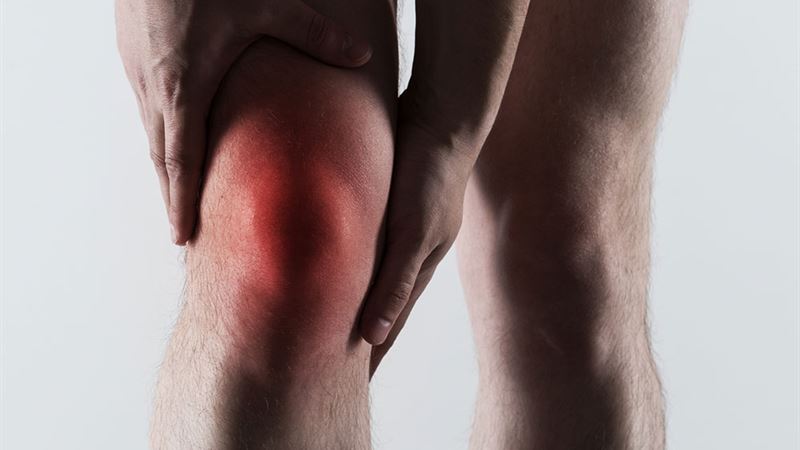
Gout is a common form of inflammatory arthritis that develops when uric acid crystals accumulate in the joints, causing intense pain, swelling, and redness. This condition progresses through four distinct stages: asymptomatic hyperuricemia, acute gout attacks, intercritical gout, and chronic tophaceous gout. Understanding these stages helps in timely diagnosis and effective management. The most frequently affected joints are located in the feet, especially the big toe, but other joints such as ankles, knees, elbows, and wrists can also be involved. Managing gout requires a multifaceted approach combining medication, dietary modifications, lifestyle changes, and home remedies, to provide relief and prevent future flare-ups.
Gout arises due to excess uric acid in the bloodstream, leading to the formation of sharp crystals within the joints and surrounding tissues. These crystals trigger painful inflammatory responses that can significantly impair daily activities. Several factors contribute to increased uric acid levels, including dietary habits, genetic predisposition, metabolic disorders, and lifestyle choices. Recognizing the causes of gout is crucial for effective prevention and management.
Elevated uric acid levels can result from various factors such as poor digestion, excessive alcohol consumption, or an unbalanced diet rich in purine-containing foods. Common culprits include shellfish, red meats, organ meats, sweetened beverages, and salty foods. Kidney or thyroid dysfunctions may also impair uric acid clearance, leading to buildup. Additionally, genetic factors play a role; individuals with a family history of gout are at higher risk. Certain medications and lifestyle choices, like alcohol and smoking, further increase susceptibility. The initial onset often involves the big toe, but other joints may be affected during flare-ups. A gout attack typically peaks within 12-24 hours and can last from one to two weeks, making prompt treatment essential.
Dealing with gout pain can be daunting, especially during acute attacks when excruciating pain and swelling make movement difficult. The sensation is often likened to a joint dislocation. Accompanying symptoms include chills, fever, and general malaise. Managing gout effectively involves a combination of pharmacological and non-pharmacological strategies tailored to the severity and frequency of episodes. Here are the top five treatment options that are widely recommended:
- Medications for Pain Relief
One of the primary goals during a gout attack is pain alleviation. Nonsteroidal anti-inflammatory drugs (NSAIDs) such as ibuprofen, naproxen, or corticosteroids are commonly prescribed to reduce inflammation and discomfort. Colchicine, a potent anti-inflammatory medication, is also frequently used, especially if administered early. These medications help diminish joint swelling and pain, enabling better mobility during flare-ups.
- Uric Acid Lowering Therapies
Since elevated uric acid levels drive gout symptoms, medications that reduce uric acid synthesis or facilitate its excretion are integral. Allopurinol is a standard drug that inhibits uric acid production, while probenecid promotes uric acid elimination through the kidneys. These drugs are most effective when used as part of a long-term management plan and require careful monitoring to avoid complications such as crystal precipitation or kidney stones. Proper dosing and adherence are vital for preventing future attacks.
- Dietary Changes and Nutritional Counseling
Diet plays a pivotal role in controlling gout. Patients are advised to limit intake of high-purine foods like shellfish, red meats, organ items, and certain types of seafood. Reducing alcohol, especially beer and spirits, is crucial, as alcohol can interfere with uric acid excretion. Incorporating a diet rich in complex carbohydrates, fiber, and low-fat dairy helps reduce overall uric acid levels. Hydration is equally important—drinking plenty of water supports kidney function and helps flush out uric acid. These dietary modifications are among the most effective preventive measures against gout attacks.- Home Remedies and Self-Care
Simple home interventions can significantly ease gout symptoms. Applying an ice pack or cold compress directly to the inflamed joint for 20-30 minutes helps reduce pain and swelling. Elevating the affected limb minimizes swelling, while adequate rest allows the joint to recover. Over-the-counter pain relievers can provide additional relief. Maintaining a healthy weight and engaging in low-impact exercise further lessen the risk of flare-ups. Avoiding triggers and managing stress are also beneficial components of self-care.
- Lifestyle Modifications
Long-term management of gout emphasizes the importance of lifestyle changes. Obesity is a known risk factor; thus, weight loss through balanced diet and regular exercise can significantly reduce attack frequency. Quitting smoking and limiting alcohol intake are critical steps. Maintaining proper hydration and engaging in physical activity help improve overall metabolic health. Regular health check-ups and monitoring uric acid levels are advised for tailored treatment adjustments. Lifestyle modifications are a cornerstone in preventing future gout episodes and improving quality of life.
While treatment plans may vary depending on the severity and individual health factors, a comprehensive approach combining medication, diet, home remedies, and lifestyle changes yields the best long-term results. Preventive measures, such as avoiding high-purine foods, staying well-hydrated, maintaining a healthy weight, and managing comorbid conditions, are essential to keeping gout under control.Gout is classified among the crystalline arthropathies, a particular group of arthritis characterized by crystal deposition within joints. Early detection and prompt treatment are vital to prevent joint damage and improve patient outcomes. Recognizing initial symptoms and initiating therapy immediately can prevent severe complications. Adherence to prescribed medications and lifestyle recommendations forms the foundation of effective gout management. Emphasizing education and preventive strategies empowers patients to take control of their condition, reducing the frequency and intensity of flare-ups. - Home Remedies and Self-Care