
Comprehensive Gout Dietary Strategies for Pain Relief and Management
Learn about an effective, comprehensive gout diet plan designed to decrease uric acid levels, alleviate pain, and prevent flare-ups. This detailed guide offers meal ideas, lifestyle tips, and foods to avoid, helping you manage gout through nutrition and healthy habits. With consistent application, it supports joint health and overall wellness, providing a practical approach for long-term gout control.
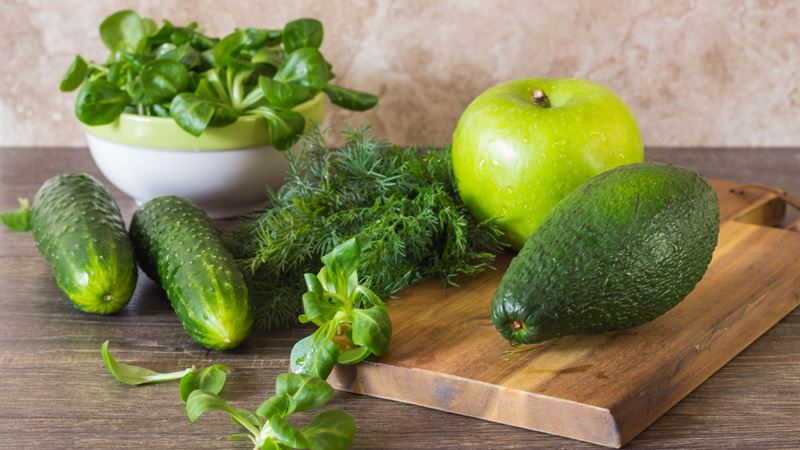
Understanding Gout and Its Causes
Gout develops when the body produces excess uric acid or fails to eliminate it efficiently. Uric acid is a waste product resulting from the breakdown of purines—substances found naturally in many foods. Normally, uric acid is dissolved in the blood and excreted through the kidneys via urine. However, if uric acid production exceeds the body's capacity to eliminate it, or if the kidneys are unable to process it effectively, uric acid begins to accumulate. Over time, these excess uric acids crystallize, forming sharp deposits in the joints, especially in the toes, ankles, knees, hands, and wrists. This crystallization triggers intense inflammation and pain characteristic of gout.
Risk factors for gout include obesity, certain genetic predispositions, metabolic syndrome, dehydration, and diet. Consuming foods high in purines, excessive alcohol intake, and certain medications can further elevate the risk. Understanding these factors lays the foundation for effective management through dietary adjustments and lifestyle changes.
The Importance of a Gout-Optimized Diet
Adopting a diet tailored for gout management is crucial for reducing uric acid levels and minimizing flare-ups. Such a diet emphasizes foods low in purines while offering an array of nutrients that support overall health. Proper hydration, weight management, and avoiding trigger foods are essential components of this plan. A balanced diet not only alleviates gout symptoms but also enhances cardiovascular health, reduces the risk of other metabolic disorders, and promotes a better quality of life.
Key Principles of a Gout-Friendly Diet
- Limit foods high in purines.
- Increase consumption of low-purine, nutrient-rich foods.
- Maintain adequate hydration to facilitate uric acid excretion.
- Manage body weight to reduce joint stress and uric acid levels.
- Avoid alcohol and limit sugary foods and beverages.
Sample Gout-Friendly Meal Plan
To help implement these principles, here is a detailed sample meal plan that can serve as a guideline for daily nutrition:
Breakfast:
- Start the day with a glass of warm water to promote hydration.
- Skimmed milk paired with whole-grain, unsweetened cereal for sustained energy.
- A variety of fresh fruits rich in vitamin C, such as oranges, strawberries, and kiwi.
Lunch:
- A colorful salad with broccoli, beets, and cabbage—vegetables low in purines, high in fiber and antioxidants.
- Grilled chicken breast or turkey strips—moderate purine content.
- Whole wheat wrap filled with chickpeas and vegetables for added fiber and plant-based protein.
Dinner:
- Canned fish like tuna or salmon in moderation—preferably fresh and cooked without added fats.
- A feta cheese salad with mixed greens and olive oil dressing.
- Egg tacos with scrambled eggs and vegetables like spinach or peppers.
- A soothing cup of herbal tea, such as ginger or chamomile, to aid digestion and relaxation.
In addition to meal planning, certain foods must be avoided or limited to prevent gout attacks:
- Red meats: Pork, lamb, and organ meats like liver and kidneys are rich in purines and should be minimized.
- Sugary and processed foods: Limit candies, cakes, cookies, sweetened cereals, and sugar-laden snacks. Artificial sweeteners should also be consumed sparingly.
- Alcoholic beverages: Beer and spirits are known to raise uric acid levels and should be avoided, especially during flare-ups.
Additional Lifestyle Tips for Gout Management
- Stay well-hydrated by drinking plenty of water throughout the day to assist in uric acid elimination.
- Maintain a healthy weight by engaging in regular physical activity and adopting a balanced diet.
- Limit or eliminate alcohol consumption.
- Reduce stress and get adequate sleep to support immune function and overall health.
- Consult healthcare professionals for personalized advice, medications, and supplements if necessary.
Incorporating these dietary and lifestyle strategies can significantly reduce the occurrence and severity of gout attacks, leading to improved joint health and quality of life. Remember, consistency and commitment are key to managing gout effectively over the long term.