
Effective Strategies for Managing Gout-Related Foot Pain
Discover comprehensive strategies to effectively manage gout foot pain. From immediate medication and cold therapy to hydration and stress management, learn how to reduce inflammation and relieve intense gout attacks. Proper care and early intervention can significantly diminish discomfort and prevent joint damage, helping you regain comfort and mobility quickly. This detailed guide offers practical advice on managing symptoms, promoting recovery, and enhancing quality of life for gout sufferers. Take control of your health today with these proven tips to manage gout foot pain efficiently.
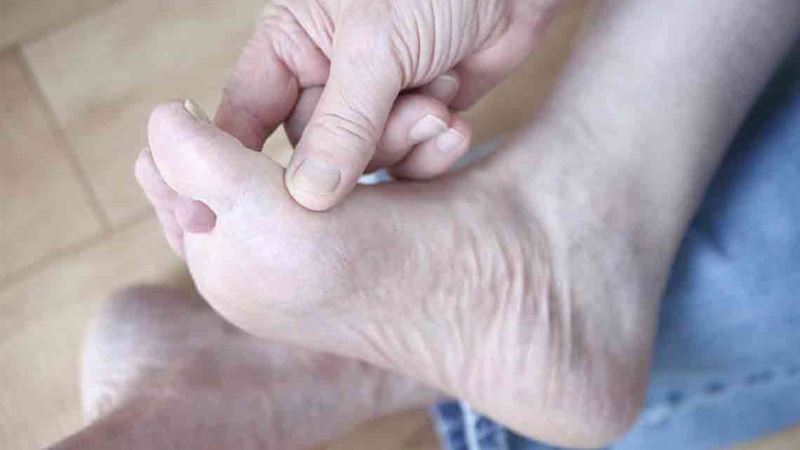
When gout strikes with severe foot pain, immediate and effective measures are essential to alleviate symptoms and reduce inflammation. The following comprehensive guide dives into various strategies and treatments that help manage gout foot pain, ensuring quick relief and better management of future attacks.
Administer Prescribed or Over-the-Counter Medication Immediately
The first step during a gout attack is to take any prescribed medication your physician has provided. Non-steroidal anti-inflammatory drugs (NSAIDs), colchicine, or corticosteroids are commonly used to diminish pain and inflammation. If you suspect gout but haven't been diagnosed yet, taking an over-the-counter NSAID, such as ibuprofen, can provide interim relief—though it's crucial to consult your healthcare professional beforehand. Consistently follow your medical provider’s instructions regarding dosage and medication type. For individuals already on uric acid-lowering therapies, maintain your prescribed routine and seek medical advice for adjustment if symptoms worsen or persist.
Apply Cold Therapy to Reduce Inflammation and Pain
Cold therapy, such as an ice pack or cold compress, is highly effective in managing gout flare-ups. Wrap a bag of crushed ice or gel pack in a clean cloth and apply it gently to the affected foot for approximately 15-20 minutes every few hours. This helps constrict blood vessels, decreasing inflammation and dulling nerve signals that transmit pain. It’s a simple yet powerful non-pharmacological remedy that can provide quick relief during intense gout episodes.
Seek Immediate Medical Attention
If you experience gout symptoms for the first time or if pain persists despite taking medication, consult a healthcare professional without delay. Your doctor may perform a joint fluid analysis to confirm gout and prescribe stronger medications or corticosteroid injections to control inflammation effectively. Early intervention within the first 24 hours of an attack can significantly reduce its duration and severity. Continuous or worsening pain warrants medical evaluation to adjust treatment plans and prevent potential complications.
Stay Hydrated to Flush Out Excess Uric Acid
Elevated uric acid levels are the primary cause of gout. Drinking plenty of fluids helps to dilute the uric acid in your bloodstream and promotes its excretion via the kidneys. Aim for at least 8-10 glasses of water daily, but avoid sugary drinks and fruit juices high in fructose, which can exacerbate uric acid levels. Alcohol consumption, especially beer, should be strictly avoided during gout attacks since it contributes to increased uric acid production and dehydration. Proper hydration is a key preventive measure for both managing ongoing symptoms and reducing recurrence risk.
Elevate and Rest Your Affected Foot
Resting the foot and elevating it above chest level can significantly reduce swelling and pain. Elevation encourages fluid drainage from the inflamed tissues, easing inflammation and discomfort. Use pillows or cushions to prop up your foot when resting or sleeping. If mobility is necessary, employ a cane or crutches to avoid weight-bearing on the painful joint. Avoid putting pressure on the affected foot, and try to minimize movement to prevent aggravating the inflammation.
Minimize Contact with the Painful Area
Due to heightened sensitivity, even the slightest touch, such as bedding or clothing, can increase pain. To prevent unnecessary discomfort, tuck your sheets or blankets to avoid contact with the affected toe or foot. Wearing warm socks or wraps around the painful area can also keep the foot warm and ease stiffness. Consider using soft, breathable footwear that doesn’t exert pressure on inflamed regions. Keeping the foot warm and protected minimizes irritation and promotes comfort during acute attacks.
Practice Stress-Relief Techniques
Stress can impact immune response and magnify pain perception. Engaging in calming activities like listening to music, reading, or watching movies can lower stress levels and help manage pain better. Deep breathing exercises, mindfulness meditation, or gentle stretching can also contribute to reducing overall discomfort. Maintaining mental well-being plays a vital role in chronic disease management, as it can influence inflammation levels and pain severity.
Managing gout foot pain involves a combination of medication, lifestyle adjustments, and self-care strategies. The tips discussed above are designed to help you address acute gout attacks effectively, minimize discomfort, and prevent future episodes. Consistency in following medical advice and adopting healthy habits is essential for living well with gout and preserving joint health long-term.