
Essential Considerations Before Selecting the Perfect Air Purifier
Choosing the right air purifier involves considering placement, airflow direction, and maintenance needs. Top brands like Honeywell, GermGuardian, and Holmes offer reliable options. Features such as adjustable fans, timers, and dirt sensors enhance performance. Regular filter upkeep ensures continuous air quality improvements, especially for allergy or asthma sufferers. Understanding pros and cons helps in making informed decisions, ensuring healthy indoor air. Proper selection and placement of air purifiers can significantly improve your home's air quality, benefiting overall health and comfort.
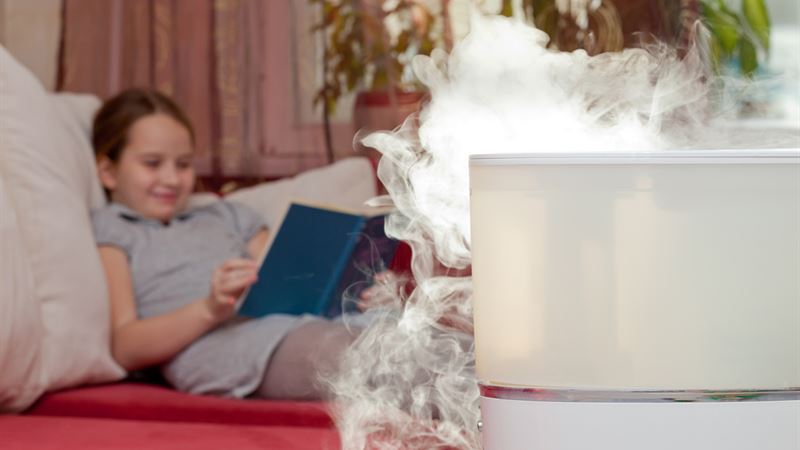
- Optimal Placement: Proper positioning of your air purifier is crucial for maximum efficiency. Ensure that it has sufficient clearance of a few feet on all sides to enable unobstructed airflow. Positioning the device away from walls, furniture, or curtains helps in circulating clean air more effectively throughout the room. Additionally, placing it in areas where allergens or pollutants are concentrated, such as near smoking zones, pet areas, or kitchens, enhances its performance.
- Directing Airflow Effectively: The direction in which the air flows from your purifier plays a vital role. Many models come with adjustable vents or oscillating fans to optimize air circulation. For optimal results, point the airflow towards high-traffic or polluted zones, and ensure the outlet exhaust does not face walls or obstructed areas, so the purified air can disperse evenly across the room.
- Continuous Operation for Better Air Quality: Running the air purifier consistently provides the most benefit, especially in environments with smokers, pets, or individuals with allergies or asthma. Modern units are designed to be energy-efficient, allowing prolonged operation without significantly increasing electricity bills. Setting the device to auto or sleep mode can help maintain a clean indoor environment while conserving energy during night hours or when demand is lower.
Top Brands of Air Purifiers Currently in the Market
Based on customer reviews and expert analyses, the following brands stand out for their reliability, efficiency, and value:
- Honeywell 50250-s: Renowned for its superior HEPA filtration capabilities, the Honeywell 50250-s captures airborne particles as tiny as 0.3 microns, including pollen, dust, pet dander, and smoke. It features a powerful fan with adjustable settings and a user-friendly interface, making it suitable for medium to large rooms. Its proven track record and durability make it a top choice among homeowners seeking high-performance air purification.
- GermGuardian AC4100: This versatile 3-in-1 system combines HEPA filtration, UV-C light technology, and activated carbon filters to combat germs, odors, and pollutants. Compact and easy to set up, it works well on desks, tables, or small rooms. Its UV-C light effectively kills airborne bacteria and viruses, providing added peace of mind. The unit is energy-efficient and includes a smart filter replacement indicator.
- Holmes HEPA Desktop Purifiers: Ideal for budget-conscious consumers, Holmes offers compact air purifiers capable of capturing particles larger than 2 microns. Their filters incorporate activated carbon to reduce common odors from cooking, pets, or tobacco smoke. Coated with Microban technology, these units resist mold, mildew, and bacterial growth, ensuring healthier indoor air at an affordable price point.
Advantages and Disadvantages of Using Air Purifiers
- Advantages: Portability is a significant advantage; most models weigh between 10 to 20 pounds, making them easy to move from room to room. HEPA filters efficiently trap ultrafine particles, significantly improving indoor air quality. They are especially beneficial for people with respiratory issues, allergies, or asthma, providing relief and reducing symptoms. Additionally, many modern units are energy-efficient, enabling prolonged operation without high electricity costs.
- Disadvantages: Some portable air purifiers utilize electrostatic precipitators or ionizer technology that can produce ozone, which may irritate lungs and exacerbate respiratory conditions. Their effectiveness in odor removal may sometimes be overstated and not as comprehensive as marketed. Maintenance can be demanding; filters require regular cleaning or replacement, which can be time-consuming and add to operational costs over time. Moreover, poor placement or mismatched sizing can reduce efficacy, making proper selection and installation critical.
Most Valuable Features in Modern Air Purifiers
Here are the key features that the best air purifiers possess to ensure optimal performance and user convenience:
- Fan System: The core component responsible for drawing in contaminated air and pushing out filtered clean air. Models without fans rely solely on natural convection, which is less effective but quieter. A strong, adjustable fan ensures efficient air circulation across various room sizes.
- Programmable Timer: Allows users to set specific operation periods, leading to energy savings and tailored filtration schedules. This feature is especially useful for overnight operation or during times when enhanced air quality is needed.
- Adjustable Fan Speeds: Optional speed settings offer flexibility to balance noise levels and filtration intensity. Lower speeds are preferable during sleep, while higher speeds are beneficial during allergy seasons or heavy pollution days.
- Dirt Sensor Technology: A smart feature that monitors particulate levels in real-time and automatically adjusts the fan speed accordingly. It helps optimize air cleaning, especially during high pollution periods, without manual intervention.
- Washable and Replaceable Filters: HEPA and pre-filters that can be washed or replaced prevent the buildup of debris, reduce operating costs, and ensure the purifier functions as intended. Regular maintenance keeps the air purification process efficient and prolongs device lifespan.