
Comprehensive Guide to Selecting the Perfect Air Filter for Your Home
Learn how to choose the right air filter for your home with our detailed guide. Understand the importance of correct sizing, assess your indoor air quality needs, and explore different filter types like HEPA, electrostatic, and carbon filters. Discover tips to improve air quality, reduce allergens, and eliminate odors effectively, ensuring a healthier and more comfortable living space tailored to your unique needs.
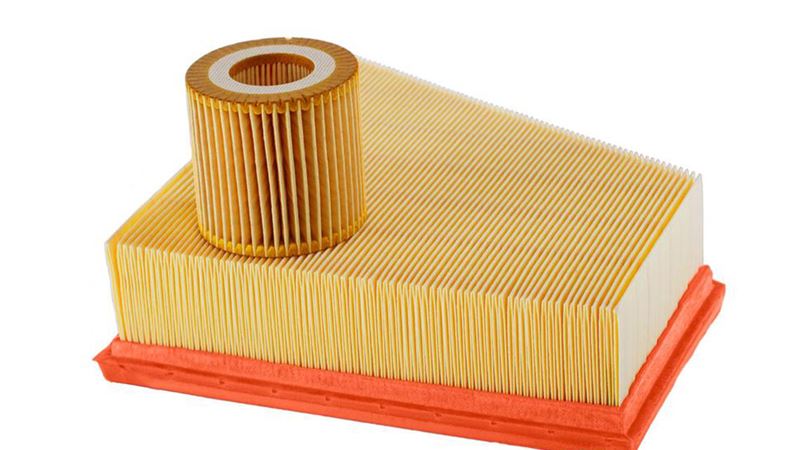
Choosing the Correct Air Filter Size
One of the most crucial aspects when selecting an air filter is ensuring that it fits properly within your existing HVAC system. An ill-fitting filter can compromise efficiency, leading to poor air quality and increased energy consumption. While many filters have their dimensions printed on the side, these measurements are often approximate or rounded. Therefore, it’s highly recommended to double-check the exact measurements of your current filter before purchasing a replacement. Use a reliable measuring tape to determine the width, height, and depth of your current filter to ensure a perfect fit that enhances performance. Proper sizing not only guarantees optimal filtration but also extends the lifespan of your HVAC system, avoiding unnecessary wear and tear caused by improper airflow.
Assessing Indoor Air Quality Needs
The specific air filtration requirements for your home largely depend on the current quality of indoor air. If your home experiences issues such as frequent dust accumulation, persistent odors, or allergy symptoms among household members, investing in a high-performance air filter is essential. Factors like inadequate ventilation, indoor smoking, dense insulation that traps pollutants, the presence of pets, and external environmental influences—such as proximity to highways, factories, or agricultural fields—can all affect indoor air quality. Recognizing these factors helps determine whether you need basic filtration or a more advanced system capable of removing microscopic particles, pollutants, and harmful substances effectively. Improving indoor air quality not only enhances comfort but also promotes better health for all residents.
Understanding Filter Types and Their Benefits
Selecting the right type of air filter is critical to achieving your desired indoor air quality. There’s a wide range of filters designed to meet various needs, and understanding their differences can help you make an informed choice. Common home air filters include electrostatic filters, carbon filters, High Efficiency Particulate Air (HEPA) filters, electronic filters, and pre-filters. For individuals with allergies or respiratory conditions, HEPA and electrostatic filters are highly recommended because they effectively trap allergens like dust mites, pet dander, pollen, mold spores, bacteria, and other microscopic particles. These filters improve air purity and reduce allergy symptoms significantly. For odor control, activated carbon filters are preferable; they absorb and neutralize common household odors from cooking, pets, or pollutants. Each filter type offers unique advantages—combining them according to your specific needs can lead to optimal indoor air quality. Properly selecting and maintaining your air filter system ensures a healthier living environment for you and your family.