
Comprehensive Overview of Materials Utilized in Air Filtration Systems
This comprehensive guide explores diverse materials used in air filtration, including activated carbon, polyurethane foam, stainless steel mesh, pleated paper, and emerging cotton filters. Learn how these materials impact air quality, their applications, and factors influencing their selection. Discover innovative filter technologies designed to optimize indoor and outdoor air purification, ensuring healthier environments and better air quality management.
Activated Carbon: An Essential Adsorbent for Odor and Gaseous Pollutant Removal
Activated carbon, often derived from charcoal, is renowned for its high adsorption capacity. Its porous structure effectively traps volatile organic compounds (VOCs), odors, ozone, and other gaseous pollutants. This makes activated carbon filters particularly valuable in urban environments, industrial settings, and spaces where odor control is paramount. These filters are commonly incorporated into HVAC systems, portable air purifiers, and gas masks to eliminate stubborn gaseous contaminants. The regeneration process for activated carbon involves thermal treatment or chemical reagents, allowing for reuse in certain applications.
Polyurethane Foam: A Durable and Cost-Effective Filtration Medium
Polyurethane foam has been a popular choice in air filtration history due to its dense structure capable of trapping large particles, such as dust and debris. Its flexibility and ease of manufacturing facilitate versatile applications, including in automotive air filters, industrial machinery, and HVAC systems. While foam filters excel at capturing sizable contaminants, recent advancements aim to improve their fine filtration capabilities. Although some traditional applications still rely on foam, modern alternatives are gradually replacing it to achieve higher precision in particulate removal.
Electric Charge and Static Electricity in Air Purification
Static electricity-generated filters utilize the principle of ionization to attract and eliminate airborne particles. High electric charges create ionized air that causes pollutants to settle onto collection electrodes or filters. This technology is integral to air ionizers and electrostatic precipitators used in industrial and residential settings. While highly effective for certain pollutants, maintenance and potential ozone production are considerations when deploying electrostatic filters.
Stainless Steel Mesh: Reusable and Durable Filtration Material
Stainless steel mesh, available in various pore sizes, provides robust, corrosion-resistant filtration options suitable for industrial applications. These metal meshes are often used in environments requiring high temperatures or aggressive chemical exposure. They are washable, reusable, and capable of capturing large to fine particles depending on the mesh size, making them a sustainable and long-lasting solution for air filtration needs.
Papery Materials: Cost-Effective and Widely Used in Automotive Air Filters
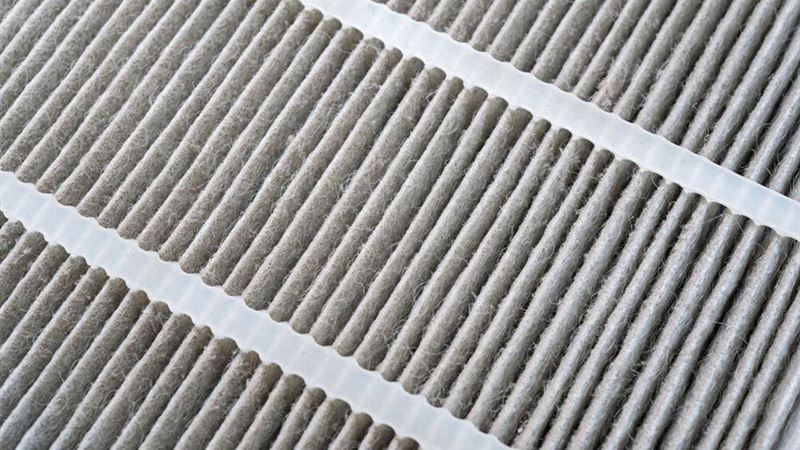
Pleated paper filters are among the most common due to their affordability, ease of manufacturing, and semi-permeable structure. They effectively trap dust, pollen, and other particulates while maintaining airflow. This type of filter is a staple in automobile filtration systems, HVAC units, and portable purifiers. The design allows for increased surface area and extended service life, though they require regular replacement to maintain efficiency.
Cotton: Emerging Material in Air Filtration
Cotton-based filters have recently gained attention for their natural fibrous properties and eco-friendliness. Used primarily in industrial air compressors and specialized filtration applications, cotton filters offer good airflow and filtration efficiency. Their biodegradability and renewable sourcing make them attractive options for environmentally conscious manufacturing, though their application remains relatively niche compared to synthetic materials.
Other Materials and Combinations
Additional materials such as polyester, oil bath, and water bath filters play specialized roles in capturing specific pollutants. Often, manufacturers combine multiple filter media to optimize performance, balancing cost, airflow, and filtration efficiency. The selection often depends on the targeted pollutants, operational environment, and maintenance considerations. Ultimately, designing a filter system involves understanding the interplay of material properties, cost-effectiveness, and desired air quality outcomes.
Understanding these materials and their applications enables better selection and maintenance of air filters, improving indoor air quality and ensuring living and working spaces remain healthy. As technology advances, so do the materials used, promising even more efficient and sustainable solutions for air purification in the future.