
Comprehensive Guide to Lawn Fertilizers: Types, Selection Tips, and Application Strategies
Discover an extensive guide on various grass fertilizers, including organic, synthetic, liquid, and granular types. Learn how to select the appropriate fertilizer based on your lawn's needs, seasons, and environmental conditions. The article offers practical tips on application techniques to ensure healthy, lush grass while maintaining eco-friendly practices for sustainable lawn care.
Understanding Organic Lawn Fertilizers
Organic fertilizers are derived from natural plant or animal sources, making them a popular choice for environmentally conscious gardeners and lawn enthusiasts. These fertilizers release nutrients slowly over time, providing a steady nourishment to your grass without overwhelming the soil. When applied consistently, organic fertilizers contribute to healthy, long-term soil development and vibrant lawns.
One of the main benefits of organic fertilizers is their ability to naturally enhance the microbial ecosystem within the soil. Soil microbes play a crucial role in breaking down organic matter, which helps in releasing essential nutrients and improving soil health. As a result, organic fertilizers help increase the soil's water retention capacity and nutrient availability organically.
Since these fertilizers contain little to no synthetic chemicals, they do not contribute to soil salinity buildup or cause soil degradation over time. This makes organic fertilizers an ideal choice for maintaining sustainable, healthy lawns over many years, ensuring that the soil remains fertile without risking long-term damage.
In addition to their ecological benefits, organic fertilizers are easy to incorporate into your lawn maintenance routine. They are generally applied in granular, liquid, or composted forms, allowing flexibility based on your specific needs and preferences. Using organic fertilizers can also support the growth of beneficial soil organisms, promoting a balanced ecosystem beneath your grass.
### Synthetic Fertilizers: Action-Oriented Lawn Nutrition
Synthetic fertilizers are manufactured chemical compounds designed to deliver nutrients rapidly and efficiently. Unlike organic options, these fertilizers are formulated to provide immediate results, making them ideal for quick lawn recovery or boosting growth during peak seasons.
The primary advantage of synthetic fertilizers lies in their swift nutrient release. When applied, they quickly penetrate the soil, making essential nutrients accessible to the grass roots within days. This rapid action allows homeowners and landscapers to see noticeable improvements in lawn color, vitality, and thickness in a short period.
Despite their effectiveness, synthetic fertilizers should be used with caution. Over-application or frequent use can lead to soil deterioration, accumulation of harmful salts, and environmental runoff that pollutes nearby water bodies. Therefore, moderation and precise application rates are crucial to prevent unintended damage.
Understanding the main types of chemical fertilizers enhances proper usage and lawn health management. These are broadly classified based on key nutrients: nitrogen, phosphorus, and potassium.
- Nitrogen-Based Fertilizers: These are most common due to their role in lush, green foliage development. Nitrogen stimulates leaf and stem growth, giving lawns their vibrant appearance. Nitrogen-rich fertilizers are typically utilized during active growing seasons to maintain a rich, dense turf.
- Phosphorus-Based Fertilizers: Phosphorus encourages strong root systems, which are essential for nutrient uptake and drought resilience. These fertilizers are often applied during initial lawn establishment or repair to establish deep, healthy roots.
- Potassium-Based Fertilizers: Potassium improves the plant’s ability to withstand stressors such as drought, heat, and cold. It also promotes overall plant vigor and resilience after stressful periods or lawn damage.
Different lawn conditions call for tailored fertilization strategies. Consulting with lawn care professionals can help determine the appropriate mix and timing to optimize growth and health.
### Liquid vs. Granular Fertilizers: Fast vs. Slow-Release Nutrients
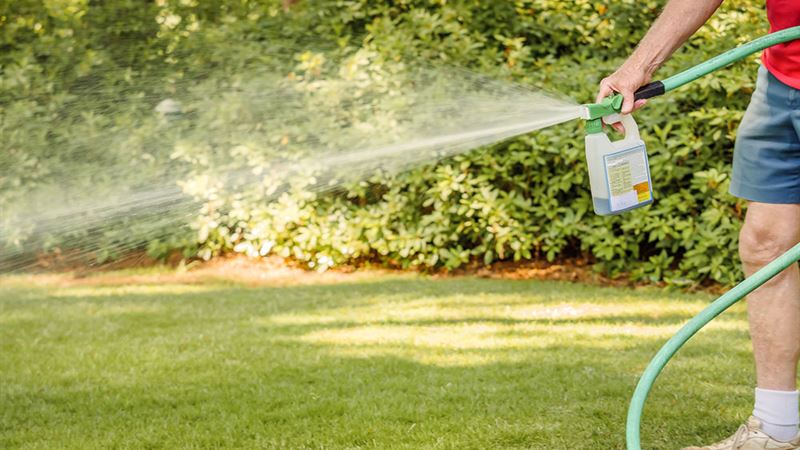
Liquid fertilizers are quick-acting solutions designed to be sprayed directly onto grass and soil. They are easy to apply and allow for precise control over application rates. These fertilizers are effective for quick nutrient boosts, helping to address deficiencies or stress conditions promptly. However, their effects can diminish rapidly, especially in hot weather or heavy rain, which washes away the nutrients.
Granular fertilizers, on the other hand, provide a slow, steady release of nutrients when watered into the soil. These pellet-like products are durable and resistant to elements like wind, rain, and sunlight, making them suitable for long-term lawn health. When applied correctly, granular fertilizers can feed your lawn over several weeks, reducing the need for frequent applications.
Both forms have their advantages and ideal use cases. Liquid fertilizers excel for quick repairs and targeted feeding, while granular options are better for consistent, ongoing nourishment and less frequent application.
### Specialized Fertilizers for Different Seasons and Lawn Conditions
Beyond basic fertilizers, there are specialized formulations designed for specific seasons or lawn challenges:
- Spring fertilizers stimulate early growth and help your lawn recover from winter dormancy.
- Fall fertilizers prepare the grass for winter, promoting root expansion and resilience before cold weather sets in.
- Weed fertilizers contain ingredients that weaken unwanted plants while nourishing the grass, helping to maintain a healthy, weed-free lawn.
Choosing the right fertilizer type depends on understanding your lawn's unique needs, climate conditions, and growth cycle. Consulting with a lawn care specialist can help in selecting the perfect product for your yard’s health and beauty.
### Essential Tips for Selecting the Best Lawn Fertilizer
When selecting fertilizers, it’s crucial to consider several factors to ensure optimal lawn health:
- Identify your grass type—whether cool-season or warm-season varieties—as they have different fertilization requirements.
- Assess your soil’s nutrient profile through testing. Knowing the existing levels of nitrogen, phosphorus, and potassium helps in choosing the right fertilizer.
- Determine the specific nutrient needs based on your lawn condition, existing deficiencies, or stress factors.
- Select the correct fertilizer form—liquid, granular, or organic—based on your application preferences and lawn requirements.
- Evaluate weather patterns—rainfall and temperature—to time your fertilization appropriately.
- Seek professional advice to tailor fertilization schedules and products for achieving the best results.
### Effective Lawn Fertilization Techniques
Proper application enhances nutrient uptake and minimizes waste. Here are some tips for effective fertilization:
- Use calibrated spreaders—broadcast, drop, or handheld—to distribute fertilizers evenly across the lawn.
- Implement grasscycling, which involves leaving grass clippings on the lawn to naturally decompose and return nutrients to the soil.
- Aerate your soil periodically to improve air and water penetration, enhancing fertilizer effectiveness.
- Apply fertilizers and water in moderation to prevent runoff and nutrient leaching.
- Use organic compost as a natural fertilizer alternative or supplement to chemical options for healthier soil microbial activity.
By following these guidelines and understanding the different types of lawn fertilizers, homeowners can achieve a lush, healthy, and resilient lawn that thrives throughout the seasons. Proper fertilization not only enhances aesthetic appeal but also contributes to the overall sustainability of your outdoor space.