
Ultimate Guide to Choosing the Perfect Fertilizer for St. Augustine Grass
Discover the ultimate guide to fertilizing your St. Augustine grass. Learn about the best fertilizers, application methods, and tips for maintaining a healthy, lush lawn. This comprehensive article covers everything you need for optimal grass growth and vibrant greenery with expert advice on nutrient management, timing, and lawn care techniques, ensuring your outdoor space remains beautiful and resilient year-round.
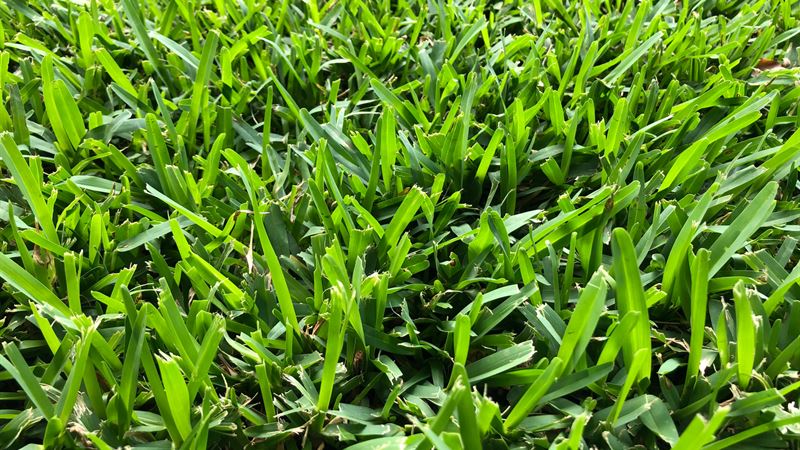
St. Augustine grass is a popular warm-season turfgrass loved for its lush, dense, and vibrant green appearance. Achieving and maintaining that healthy, thriving lawn requires proper nutrition, which is where selecting the right fertilizer plays a critical role. This comprehensive guide delves into the essential aspects of fertilizing St. Augustine grass, including the types of fertilizers, application techniques, and tips for ensuring optimal growth and health.
Proper fertilization is fundamental to the vitality of St. Augustine grass. The grass's unique nutrient requirements, growth patterns, and climatic preferences make it crucial to choose fertilizers that cater specifically to its needs. A well-balanced fertilizer supplies the necessary macronutrients—nitrogen (N), phosphorus (P), and potassium (K)—in ideal ratios, supporting root development, leaf growth, and overall vigor.
One of the most effective approaches to fertilizing St. Augustine grass is using slow-release fertilizers. These products release nutrients gradually over an extended period, ensuring consistent nourishment and reducing the risks associated with nutrient runoff or leaching. Slow-release fertilizers are particularly beneficial during the peak growing seasons, when the grass requires constant nutrients to develop healthy roots and a dense canopy.
When selecting fertilizer formulations, it’s essential to look for products explicitly designed for St. Augustine grass. Such fertilizers are tailored to meet the specific nutritional demands of this turfgrass variety, promoting vigorous growth while maintaining a healthy balance of nutrients. Avoid generic or all-purpose fertilizers, which may lack the precise nutrient ratios and formulations needed for this grass.
Applying the correct amount of fertilizer and at optimal times is pivotal. Over-fertilizing can lead to nutrient imbalances, excessive thatch buildup, and increased vulnerability to pests and diseases. Conversely, under-fertilizing can result in poor growth, dull coloration, and thin turf. Follow the manufacturer’s guidelines closely regarding application rates, timing, and frequency to ensure healthy, lush growth.
Post-application care is equally important. Watering the lawn thoroughly after fertilizing helps the nutrients penetrate deep into the soil, making them accessible to the grassroots. Proper watering protocols also reduce the potential for fertilizer burn and leaching, ensuring that nutrients stay within the root zone for maximum benefit.
In addition to choosing the right fertilizer, maintaining overall lawn health through proper mowing practices, irrigation, and aeration is crucial. Combining these practices with targeted fertilization optimizes the turf’s growth potential, leading to a resilient and aesthetically pleasing lawn.
In summary, selecting the best fertilizer for St. Augustine grass involves understanding its unique nutritional needs, opting for slow-release and grass-specific products, and applying the correct amounts at appropriate times. Regular fertilization, coupled with proper lawn care practices, will result in a vibrant, healthy turf that enhances your outdoor living space and provides a beautiful, lush carpet of green throughout the growing season.