
Effective Strategies for Alleviating Plantar Fasciitis with Orthotic Solutions
Learn how orthotics provide effective relief for plantar fasciitis by supporting the foot's natural biomechanics. Discover various types of orthotic solutions, their benefits, and tips for choosing the right device. Combine orthotics with other therapies for optimal recovery and long-term foot health, ensuring comfort and mobility are restored quickly. Consult healthcare professionals to identify the best treatment plan for your specific needs and alleviate heel pain caused by plantar fasciitis. Take control of your foot health today with expert-guided orthotic intervention.
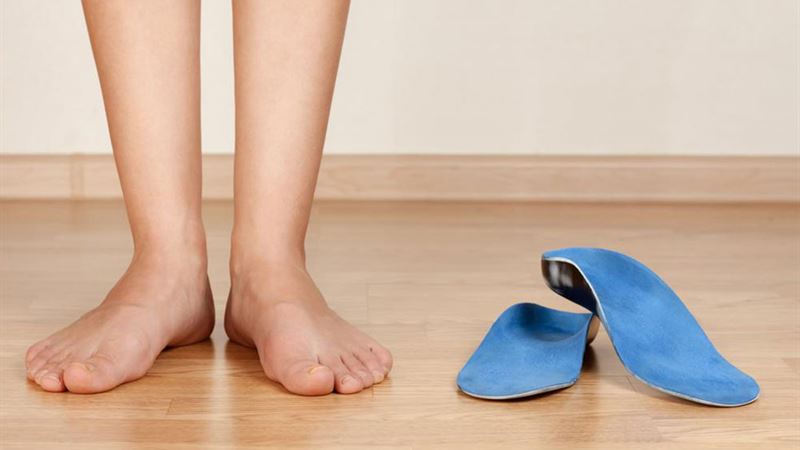
Plantar fasciitis is a common condition characterized by inflammation and degeneration of the plantar fascia, a thick band of tissue that runs along the bottom of your foot, connecting your heel bone to your toes. This issue often results from repetitive strain, stress fractures, or overuse, leading to small tears and inflammation within the ligament. As these tears accumulate, they can cause pain, swelling, and discomfort that can significantly impact daily activities, especially walking, jogging, or standing for extended periods. Understanding the underlying causes, symptoms, and available treatments can help you manage and alleviate this condition effectively.
One of the primary contributors to plantar fasciitis is excessive pressure on the heel and foot arch, often exacerbated by factors such as being overweight, wearing ill-fitting shoes, or engaging in high-impact activities. People who spend long hours on their feet, athletes, runners, and individuals with certain foot biomechanics are particularly susceptible. The pain typically manifests as a stabbing discomfort in the bottom of the heel, which can radiate along the sole of the foot. Early symptoms may include subtle discomfort that worsens over time, especially after prolonged periods of rest or inactivity, and intensifies with activity. Many individuals experience difficulty walking, climbing stairs, or maintaining their usual level of activity due to the persistent pain.
Role of Orthotics in Managing Plantar Fasciitis
Orthotic devices are among the most effective conservative treatments for plantar fasciitis. These custom or over-the-counter insoles are designed to provide targeted support to the arch of the foot, helping distribute pressure evenly across the foot while reducing strain on the plantar fascia. Orthotics can assist in realigning the foot’s biomechanics, preventing further injury and promoting healing. By offering a cushioned platform underneath, they absorb shock and reduce trauma during weight-bearing activities, which can significantly alleviate symptoms.
Choosing the right orthotic is crucial for optimal results. Orthotic insoles are typically made from durable materials like rubber, plastic, or other synthetic compounds, molded to fit the unique contours of your foot. These insoles can be customized based on your specific foot structure and needs, whether you have flat feet, high arches, or neutral foot positioning. Properly fitted orthotics help correct abnormal gait patterns, improve shock absorption, and enhance comfort, which collectively aid in reducing inflammation and pain.
There is a broad spectrum of orthotic footwear options available, designed specifically for addressing various foot deformities and disorders, including plantar fasciitis. In selecting orthotics, it is essential to consult with a healthcare professional, such as a podiatrist or orthopedic specialist, to identify the most suitable type for your condition. Usually, wearing orthotic devices for a prescribed period can lead to noticeable pain relief and improved foot function. The duration varies depending on the severity and duration of your condition, but many users experience immediate alleviation of discomfort after initial use.
In addition to orthotics, physicians often recommend complementary treatments to maximize recovery. These may include stretching exercises that target the Achilles tendon and plantar fascia to enhance flexibility, cold therapy using ice packs to reduce inflammation, and massage techniques to improve circulation and relieve tension. Adherence to these therapies is vital for optimal healing outcomes. In some cases, orthotics may need to be worn beyond the healing phase to prevent recurrence, especially if underlying biomechanical issues persist. Regular follow-up with your healthcare provider will ensure that your treatment plan adapts to your evolving needs for the best results.
Managing plantar fasciitis requires a comprehensive approach that combines proper footwear, targeted orthotics, and lifestyle modifications. Alongside medical interventions, maintaining a healthy weight, avoiding excessive standing or high-impact exercises during flare-ups, and practicing good foot hygiene can make a significant difference in recovery. Early intervention is key. The sooner you address symptoms with appropriate orthotic support and lifestyle adjustments, the better your chances of avoiding chronic pain and long-term complications.
In conclusion, opting for custom or ready-made orthotics is a practical and effective method to treat plantar fasciitis. These devices not only offer immediate relief from pain but also help in correcting foot biomechanics, reducing stress on the ligament, and preventing future outbreaks. Combining orthotic use with other therapies can accelerate recovery and restore comfortable movement. Always prioritize professional consultation to find the best solution tailored specifically for your needs, ensuring a faster return to pain-free mobility.