Discover over 2500 words of natural, safe, and effective methods to eliminate spiders from your home. Learn how sealing cracks, using essential oils, salt solutions, and natural deterrents like chestnuts can keep your living space spider-free. This comprehensive guide emphasizes eco-friendly practices and safety while providing practical tips for pest control that are gentle on family and pets. Enhance your home’s defenses naturally and enjoy a pest-free environment without relying on harmful chemicals. Ideal for homeowners seeking safe, sustainable pest management solutions.
Spiders often find their way into homes through tiny cracks and gaps, making it crucial to implement preventative measures. Begin by thoroughly vacuuming hidden corners, under furniture, closets, and entry points to remove webs, egg sacs, and spiders. Promptly empty the vacuum bag or canister to prevent re-infestation, ensuring that all remnants are cleared from your living space. Regular cleaning helps create an inhospitable environment for spiders and complements your natural eradication methods.
1. Conduct Regular Cleaning and Vacuuming
Keeping your home spotless is a fundamental step in spider control. Pay special attention to dark, secluded areas such as behind furniture, under appliances, and in storage spaces where spiders hide and lay eggs. Use a high-quality vacuum cleaner to remove webs, eggs, and spiders, ensuring thorough coverage of all potential hideouts. Discard the vacuum contents immediately outside to prevent any surviving insects from re-entering your home. Incorporate this routine into your cleaning schedule to reduce the likelihood of future infestations. Routine cleaning not only removes existing pests but also discourages new ones from settling in.
2. Seal Entry Points and Cracks
One of the most effective natural deterrents against spiders is preventing their entry altogether. Examine your home for small cracks and gaps around windows, doors, foundations, and utility lines. Use high-quality caulking to seal these openings, thereby blocking access points that spiders use to enter. Even tiny gaps are sufficient for these arachnids to slip through and establish webs indoors. By sealing these areas, you significantly reduce the risk of re-infestation and create a formidable barrier against various pests. Regularly inspect and reseal any new cracks that emerge over time to maintain a spider-proof environment.
3. Enhance Barrier Defenses with Weatherstripping
Applying weatherstripping around doors and windows is an important step to prevent unwanted pests from entering your home. Use foam, felt, rubber, or vinyl strips to seal gaps caused by temperature fluctuations or wear and tear. This creates an airtight barrier, limiting airflow and moisture intrusion while also blocking entry points for spiders and other insects. Properly installed weatherstripping around movable components such as doors, windows, and even vents enhances home insulation and makes it less inviting for pests. This simple yet effective approach promotes energy efficiency and pest control simultaneously.
4. Harness the Power of Essential Oils
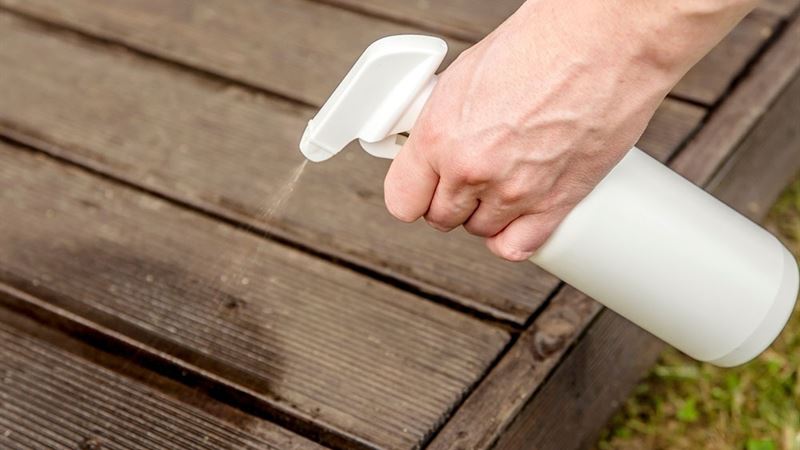
Natural essential oils known for their strong scents serve as excellent spider repellents. Oils like peppermint, eucalyptus, tea tree, lavender, and rose are proven to disrupt spiders' sense of smell, prompting them to avoid treated areas. Create a homemade spider spray by adding 15-20 drops of your preferred essential oil into a spray bottle filled with water. Shake well and spray generously on windowsills, door frames, corners, and other high-risk areas. Reapply every few days to maintain a continuous barrier. Using essential oils is a safe, non-toxic method to keep spiders at bay while adding a pleasant aroma to your home.
5. Vinegar and Coconut Oil Mixtures
Vinegar has long been a household staple, and its potent smell is effective in deterring spiders. Mix equal parts of white vinegar and water in a spray bottle and target spider-prone areas. For enhanced prevention, add a few drops of coconut oil into the mixture, which also has repellent properties. Before spraying, remove existing webs and spiders for maximum effectiveness. Regular application will create a barrier that spiders dislike, reducing their likelihood of settling indoors. Vinegar's acidity and coconut oil's natural properties make this an eco-friendly alternative to chemical sprays.
6. Saltwater Solutions as Natural Pesticides
Saline solutions are simple yet effective tools in managing spider populations. Prepare a mixture of one-eighth of a cup of salt dissolved in one gallon of warm water. Pour this solution into a spray bottle for easy application. Target spider webs, egg sacs, and immediate areas where spiders are seen. Salt acts as a natural poison to spiders, dehydrating and repelling them. Regular treatment with saltwater solutions can help suppress existing infestations and prevent new ones from forming. Be cautious when spraying on delicate surfaces to avoid damage.
7. Utilize Chestnuts as Natural Repellents
While many people find it unusual, placing chestnuts around the house can serve as an effective spider deterrent. Spiders tend to dislike the strong smell of chestnuts, especially when placed near entry points such as windowsills, basements, and attics. Simply collect a handful of chestnuts and position them in strategic locations where spiders are commonly observed. This natural method is residue-free and safe for household members and pets. Chestnuts offer an inexpensive and eco-friendly alternative to chemical repellents, maintaining a pest-free environment without toxic side effects.
Although commercial pest control products are readily available and often provide fast results, many contain harsh chemicals that pose health risks, especially to children and pets. These substances can also contaminate food preparation areas and other sensitive zones within your home. Therefore, opting for natural, non-toxic solutions not only guarantees safety but also aligns with environmentally friendly living. Combining methods such as sealing cracks, maintaining cleanliness, and using natural repellents offers a comprehensive approach to spider prevention and elimination, leading to a healthier and more comfortable living space.
