
Comprehensive Guide to Toenail Fungus: Risks, Prevention, and Advanced Treatments
Explore comprehensive insights into toenail fungus, including risk factors, effective prevention strategies, medical and home treatment options, and innovative therapies. Learn how to manage and prevent this common yet stubborn condition with expert guidance.
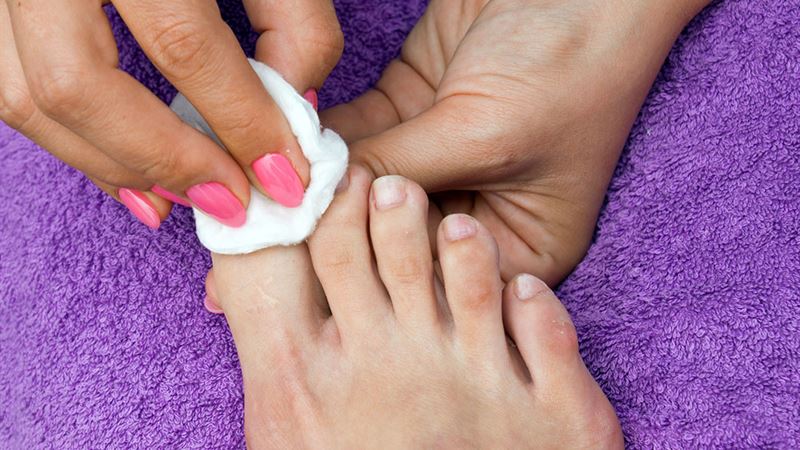
Toenail fungal infections are a common issue that affects many individuals worldwide. They are caused by various fungi, primarily dermatophytes, but other organisms like yeasts and molds can also be responsible. The infection often originates from athlete’s foot and can spread from one toenail to others if untreated. Despite various preventive measures, some factors significantly increase the likelihood of infection recurrence. Men tend to experience toenail fungus more frequently than women, and adults are more susceptible than children. A family history of fungal infections can also elevate one's risk.
As people age, changes in nail structure and circulation make them more vulnerable. The nails tend to become brittle and develop cracks, allowing fungi easier entry. Older adults are particularly prone due to slower nail growth and decreased circulation, which hampers immune responses. Several risk factors contribute to toenail fungus, and understanding them is vital for prevention and management.
The primary risk factors include:
- Having underlying health conditions such as diabetes or circulatory disorders increases susceptibility.
- Individuals over 65 years old are at heightened risk due to age-related physiological changes.
- Use of artificial nails or frequent wearing of enclosed footwear like sneakers, boots, or similar shoes.
- Experiencing trauma or injury to the toenail or surrounding skin, and having a weakened immune system.
Addressing toenail fungal infections involves a combination of medical treatments and lifestyle modifications. Unfortunately, there is no guarantee that symptoms will completely resolve after a single course of therapy. In some cases, the infection may return even after treatment. Severe cases could lead to permanent nail damage, necessitating removal. Nevertheless, proper management strategies can significantly reduce the risk of spreading and recurrence.
Medical treatments are typically the first line of defense. While over-the-counter remedies often lack effectiveness, healthcare providers may prescribe oral antifungal medications for more persistent infections. These medications are usually taken over several months to ensure complete eradication, although they may cause side effects. Topical agents, such as antifungal nail lacquers or solutions, can also be prescribed, applied similarly to regular nail polish. The duration of treatment depends on the severity of the infection and the specific fungi involved.
Lifestyle adjustments play a crucial role in preventing and managing toenail fungus. Good nail hygiene includes trimming nails regularly, keeping them clean, and avoiding injuries. Wearing breathable footwear, drying feet thoroughly after showers, and using antifungal powders or sprays are recommended. People should also avoid walking barefoot in public places like swimming pools or locker rooms to reduce exposure.
In more severe or resistant cases, surgical intervention might be necessary. Nail removal procedures can temporarily eliminate the source of infection, but unless combined with antifungal therapy, the fungus may reemerge or infect other nails.
Many individuals explore home remedies, although their effectiveness is not scientifically proven. Common remedies include applying vinegar, tea tree oil, coconut oil, essential oils, or cedar leaf oil (found in products like Vicks VapoRub). These are believed to have antifungal properties, but caution is necessary to prevent skin irritation. For thickened nails, topical urea creams can soften the nail, facilitating trimming and further treatment.
Prevention strategies are key to avoiding toenail fungal infections. Recommendations include wearing rubber gloves when hands are exposed to moisture, frequently changing socks, using antifungal powders, avoiding artificial nails and polishes, and ensuring proper foot hygiene. Avoiding walking barefoot in communal areas and opting for trusted salons for pedicures can also help. Maintaining dry feet and choosing moisture-wicking socks can significantly decrease infection risk.
Recent advancements in treatment include innovative methods such as laser therapy, photodynamic therapy, and iontophoresis.
- Laser therapy or photodynamic therapy: Involves applying light-activated agents to the nail surface, which are then activated by specific wavelengths of light to destroy fungi.
- Iontophoresis: Uses a mild electrical current to enhance the penetration of topical antifungal medications into the nail and surrounding tissue.
- Nail lacquers: Special antifungal nail coatings alter the microclimate of the nail, making it inhospitable for fungal growth.
With continuous research and technological progress, treatment options are expanding, offering hope for resistant or recurrent cases. Ensuring good foot hygiene and following medical advice can help keep toenails healthy and fungus-free, improving both appearance and comfort. Regular check-ups and early treatment can save you from long-term complications associated with fungal infections.