
Effective Strategies and Natural Remedies for Combatting Nail Fungus
Discover comprehensive insights into nail fungus, including causes, symptoms, and over 10 proven natural remedies. Learn when to seek medical help and how to effectively treat fungal infections at home with oils, vinegar, and other natural methods for healthier nails. This detailed guide emphasizes preventive measures, proper hygiene, and the importance of early intervention to restore nail health and prevent spread.
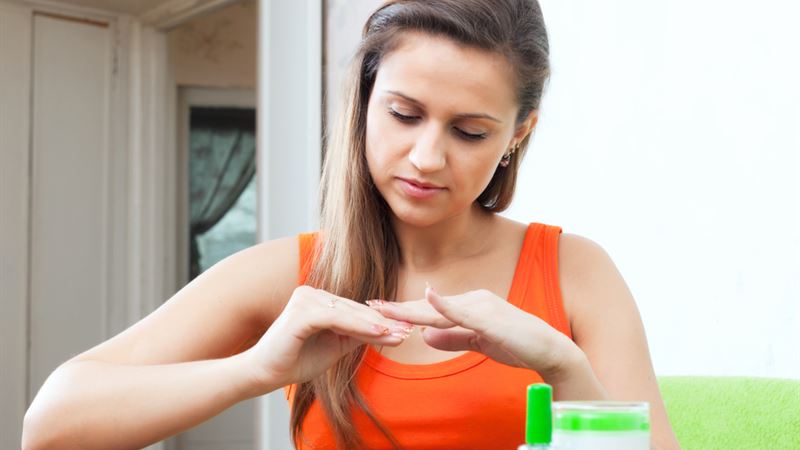
Understanding Nail Fungal Infections
- Onychomycosis, commonly known as nail fungus, is a prevalent condition characterized by the growth of fungi on or beneath the nails.
- Initial symptoms often include the appearance of white or yellowish spots or streaks on the nails, which may gradually progress if left untreated.
- As the infection advances, nails can become thickened, brittle, and prone to breakage, significantly affecting the appearance and health of your nails.
- Mild cases might be manageable at home with natural remedies, but persistent or severe infections typically require professional medical care for effective eradication.
Causes and Risk Factors of Nail Fungus
- Fungal infections of the nails are caused by various fungi, including dermatophytes, yeasts, and molds, that invade the nail tissue through small cracks or cuts.
- Warm, humid environments create ideal breeding grounds for fungi, making individuals who wear tight or damp footwear more susceptible.
- People with compromised immune systems, diabetes, or circulatory problems are at higher risk of developing persistent fungal nail infections.
- Contagion can occur through contact with contaminated surfaces, tools, or infected individuals, emphasizing the importance of good hygiene.
- Age is a factor too, as older adults tend to have slower nail growth and reduced immunity, increasing vulnerability to infections.
Recognizing Symptoms of Nail Fungal Infections
- The onset often involves subtle changes, such as white or yellow streaks or patches on the nail surface.
- Over time, affected nails may become thickened, distorted, or discolored, with debris accumulating beneath the nail.
- Nails might begin to lift away from the nail bed, causing discomfort or pain, especially during walking or activity.
- Unpleasant odors may emanate from severely infected nails, indicating a bacterial component or decay.
- In some cases, the skin around the nails may become inflamed, red, or swollen due to secondary infections.
When to Seek Medical Attention
- If you notice that the discoloration, thickening, or brittleness worsens despite home treatments.
- When the pain or discomfort increases, interfering with daily activities.
- If you have underlying health conditions such as diabetes, which could complicate infections.
- Persistent fungal infections that do not respond to over-the-counter remedies should be evaluated by a healthcare professional.
- Early medical intervention can prevent the spread and more severe complications.
Top 10 Natural and Medical Approaches to Combat Nail Fungus
- While home remedies can be effective for mild cases, consulting a healthcare provider is recommended for persistent or severe infections. Here are proven strategies:
- **Apple Cider Vinegar**: Known for its antifungal properties, apple cider vinegar can be used as a soak by mixing it with warm water and Epsom salt. Soak your nails for 30 minutes at least twice daily to help reduce fungal proliferation and restore healthy nail tissue.
- **Vicks VapoRub**: This over-the-counter ointment contains ingredients that may inhibit fungal growth. Apply a small amount daily on the affected nails for relief and healing.
- **Tea Tree Oil**: Possessing strong antifungal and antiseptic qualities, tea tree oil is applied directly on the infected area twice per day for optimal results.
- **Organic Cornmeal**: A natural remedy where cornmeal, which contains certain beneficial compounds, is soaked in water and the feet are immersed for half an hour. This method leverages the fungus-hosting properties of cornmeal to combat Candida yeast.
- **Orange Essential Oil**: Rich in antifungal agents, applying a few drops on the affected nails and the skin between the fingers can inhibit fungal growth effectively.
- **Coconut Oil**: Thanks to its caprylic acid content, coconut oil penetrates fungal cell walls and destroys the infection from within. Regular application can aid in recovery.
- **Oregano Oil**: Contains thymol, a potent antifungal, which helps resolve nail infections. Dilute and apply carefully to avoid skin irritation.
- **Garlic Cloves**: The natural antifungal properties of garlic can be harnessed by crushing cloves and applying them directly to infected nails for 30 minutes daily.
- **Olive Leaf Extract**: Rich in oleuropein, this extract exhibits antifungal activity. Capsules are available as supplements, but consult a healthcare provider before use.
- **Home-made Paste of Borax and Baking Soda**: Create a paste by mixing these ingredients with water and apply to the infected nails, ensuring nails are moist beforehand to enhance absorption. This mixture can help eradicate fungal spores effectively.
It is essential to remember that natural remedies might take several weeks to show noticeable improvements, and consistent application is key. Always perform a patch test before using any topical oil or remedy to prevent allergic reactions. For persistent or severe infections, medical treatment such as oral antifungal medications or topical prescriptions prescribed by a healthcare professional might be necessary.