
Effective Home Remedy: Using Listerine to Treat Toenail Fungus Naturally
Discover an effective natural remedy for toenail fungus using Listerine. This affordable, safe, and easy home treatment leverages proven antimicrobial ingredients that can help combat early-stage fungal infections. Regular foot soaks and topical applications can promote healthier nails and prevent future issues, making Listerine a popular choice among those seeking side-effect-free solutions for toenail fungus. Learn detailed step-by-step instructions, tips for best results, and precautions to ensure safe and successful treatment at home.
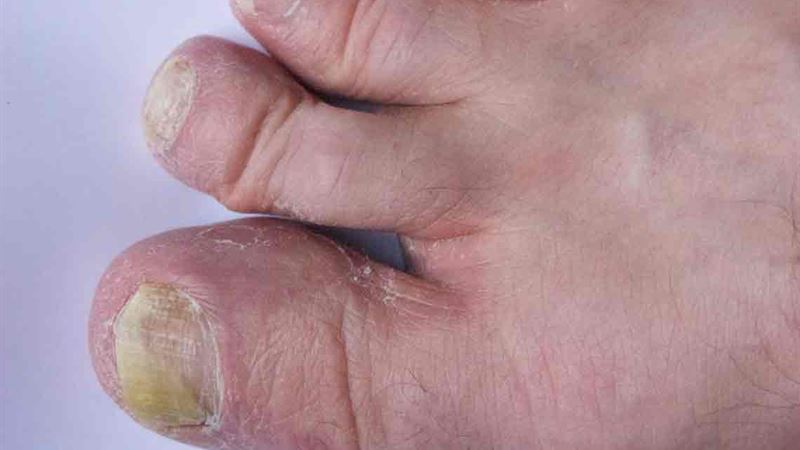
Toenail fungal infections, medically known as onychomycosis, can be both uncomfortable and embarrassing. Traditional treatment options usually involve antifungal medications prescribed by healthcare providers. These medications, while effective, often come with undesirable side effects such as nausea, digestive issues, and, in some cases, more serious health risks like liver damage or cardiovascular problems.
As a result, many individuals seek natural, milder alternatives to combat toenail fungus. One such popular remedy gaining widespread attention is the use of Listerine mouthwash. Although primarily formulated to maintain fresh breath and oral hygiene, Listerine contains active ingredients with antifungal and antimicrobial properties that may help in reducing toenail infection and promoting healthier nails. Using Listerine as a home remedy offers a cost-effective, accessible, and side-effect-free option to address early-stage toenail fungal issues.
What makes Listerine an appealing choice for toenail fungus treatment? Its efficacy stems from potent natural constituents that can combat fungal pathogens while being safe for topical use. Over time, repeated application of Listerine can help inhibit the spread of fungi and facilitate the healing process. While it is not an instant cure, patience and consistency are vital for seeing significant improvements.
Key active components in Listerine responsible for its antifungal properties include:
- Thymol: A powerful herbal antifungal agent derived from thyme oil, effective in eradicating fungi that infect the skin and nails.
- Eucalyptol: An essential oil with antimicrobial activity, eucalyptus oil helps reduce inflammation, soothe pain, and inhibit microbial growth.
- Salicylate: An organic compound with analgesic and anti-inflammatory benefits that also promotes shedding dead skin cells, paving the way for new, healthy tissue growth.
Historical background of Listerine
The journey of Listerine began in 1879 when it was developed as a surgical antiseptic. Its initial applications included disinfecting wounds and sterilizing medical instruments. Over the years, it gained popularity as a treatment for various infections, including gonorrhea, and was widely used as a household cleaning agent. Today, Listerine is best known as a reputable mouthwash brand that helps freshen breath and maintain oral hygiene.
Creating a foot soak solution with Listerine
One of the most straightforward ways to use Listerine for toenail fungus is through foot soaks. These soaks are particularly effective during early or mild fungal infections, where the infection hasn't yet caused severe damage or discomfort. Regularly soaking your feet in Listerine solution can significantly improve the condition of infected nails and help prevent further spread.
For milder cases such as faint white spots or slight discoloration, a daily foot soak is recommended. For more advanced infections characterized by swelling, dark discoloration, or pain, twice-daily soaks are advisable. Here's how to prepare and use the foot soak:
- Obtain a sizable basin suitable for soaking your feet.
- Mix equal parts of Listerine and water — for example, half and half — to create an effective solution.
- Submerge your affected feet in the mixture for 20 to 30 minutes, ensuring the infected nails are fully immersed.
- After soaking, gently exfoliate the nails and surrounding skin with a soft brush to remove dead or keratinized tissue.
- Repeat this routine consistently for best results, ideally daily or as recommended.
In addition to soaking, concentrated Listerine can be applied directly to the affected toenail using a small nail brush, similar to applying nail polish. After application, you can cover the toenail with a small piece of cotton and secure it with medicated tape to maximize contact time. Over time, thymol in Listerine helps to arrest fungal growth, while salicylates encourage healthy skin regeneration.
Enhancing your treatment by combining Listerine with other natural remedies like apple cider vinegar can yield even better results. Apple cider vinegar’s acidity creates an inhospitable environment for fungi. To do this, dip a cotton ball in a mixture of Listerine and apple cider vinegar, then tape it onto the infected toe for targeted treatment. Alternatively, soak cotton balls in the solution and tape them over the nail for extended exposure.
Early intervention is crucial; Listerine's antifungal properties work best during initial stages of infection. Severe infections with pronounced symptoms—such as profound discoloration, swelling, or pain—may require additional treatment options like topical antifungal medications containing tea tree oil or consultation with a healthcare professional.
Are there potential side effects?
One of the advantages of using Listerine as a toenail fungus remedy is that it is generally considered safe with minimal side effects. Since it is an over-the-counter product designed for oral hygiene, topical use on the nails carries little risk. The most noticeable minor drawback might be the temporary staining of the toenails, which is purely cosmetic and resolves over time.
However, scientific evidence supporting the complete cure of toenail fungus through Listerine is limited. Results can vary depending on the severity of the infection and individual response. Nonetheless, its affordability, ease of use, and safety profile make it an attractive option for many looking to manage early-stage toenail fungal infections.
To prevent fungal recurrences, it’s essential to keep your feet dry, adequately ventilated, and clean. Wearing breathable footwear, avoiding walking barefoot in communal showers, and maintaining good foot hygiene can help reduce the risk of future infections.