
Effective Strategies for Overcoming Nail Fungus and Restoring Healthy Nails
Discover proven methods for combating nail fungus effectively, including natural remedies like tea tree oil, oregano oil, snakeroot extract, and Vicks VapoRub. Learn about medical options, precautions, and tips for restoring healthy nails. Early intervention and proper care are essential to prevent the infection from worsening, ensuring your nails stay strong and fungus-free for the long term.
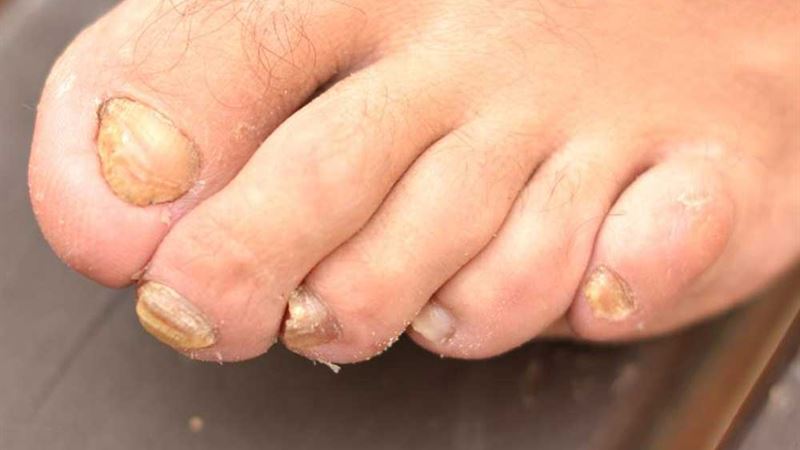
- Snakeroot Extract – Derived from plants in the sunflower family, snakeroot extract is renowned for its potent antifungal properties. This natural remedy is available for purchase online and is often incorporated into home-based and professional nail fungus treatment regimens. To maximize its effectiveness, apply the extract generously on the infected nails and surrounding skin at regular intervals. In the initial month, aim for an application every three days, then reduce to twice a week in the second month, and once weekly during the third month, which is typically the final phase of treatment. Consistent use is essential for noticeable results, and patience is key when tackling stubborn fungal infections.
- Tea Tree Oil – A well-known essential oil with comprehensive antimicrobial properties, tea tree oil effectively combats fungal infections. Its antiseptic qualities help eliminate fungi from the nails and prevent the spread to unaffected areas. For optimal results, apply a few drops of pure tea tree oil directly onto the affected nails twice daily. Some individuals prefer to dilute the oil with a carrier oil such as coconut or jojoba oil to reduce potential skin irritation. Regular application over several weeks often leads to significant improvement, making it one of the most popular natural remedies for nail fungal infections.
Beyond natural remedies, medical treatments are available for persistent or severe cases of nail fungus. Prescription antifungal medications such as Ciclopirox, Efinaconazole, and Tavaborole are highly effective in clearing infections. However, these medications can carry risks of side effects, including gastrointestinal upset, jaundice, skin reactions, and dizziness. Therefore, it’s crucial to consult a qualified dermatologist or healthcare professional to receive an accurate diagnosis and personalized treatment plan before starting any medication. Whether opting for topical remedies or pharmaceutical interventions, early and consistent treatment is vital to prevent the infection from worsening or spreading. Additionally, maintaining good foot and hand hygiene and avoiding environments that promote fungal growth can help prevent future infections. Combating nail fungus requires patience, diligent care, and sometimes professional guidance, but with the right approach, healthy, fungus-free nails are achievable.