
Effective Strategies for Treating Nail Fungal Infections
Discover detailed insights into the causes, symptoms, and effective treatments for nail fungus. This comprehensive guide covers natural remedies, medical procedures, and preventive tips to help you combat nail infections efficiently and restore healthy nails. Whether using home remedies or seeking professional care, learn how to manage nail fungus properly for lasting results.
Understanding the Causes of Nail Fungus
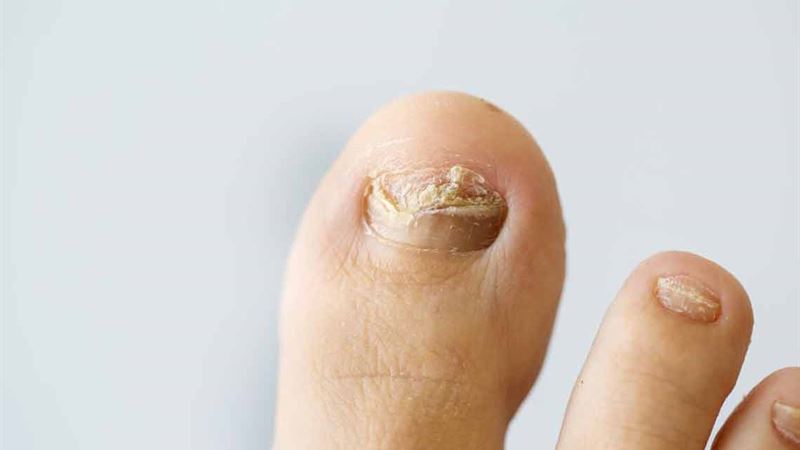
Fungal infections in nails, medically referred to as onychomycosis, occur when fungi invade the nail bed and plate. Alongside bacteria, fungi are common inhabitants that can cause these infections, especially in warm and humid environments. The fungi responsible are primarily dermatophytes, which thrive in conditions that favor growth. Recognizing the root causes of these infections is crucial in preventing and effectively treating them.
Factors Contributing to Nail Fungal Infections
Several factors can predispose individuals to developing nail fungus. Some of the most common ones include:
- Advancing age: As people grow older, the growth process of nails slows down, and blood circulation to the extremities diminishes, creating a suitable environment for fungi to flourish.
- Excessive perspiration: Heavy sweating, especially if proper hygiene is not maintained, can lead to moist conditions favorable for fungal growth on nails.
- Family history: Men with a family history of nail infections are at a higher risk of developing similar issues, indicating genetic or shared environmental predispositions.
- Contact with infected individuals: Coming into direct contact with someone who has a fungal nail infection increases the risk of transmission.
- Work in humid environments: Occupations involving frequent exposure to moisture, such as swimming, housekeeping, bartending, or construction work, can increase susceptibility.
Toenails tend to be more frequently affected than fingernails, mainly due to their environment and blood flow differences. The following points elaborate on this:
- Dark and warm conditions beneath footwear promote fungal proliferation in toenails.
- Lower blood circulation to the toes compared to fingers diminishes the immune response against fungal invasion.
Recognizing Symptoms of Nail Fungal Infection
Identifying nail fungus early can prevent further damage. Some common signs include:
- Thickening of the affected nails
- Brittle, crumbly, or ragged nail edges
- Distorted nail shape and surface
- Loss of luster, resulting in a dull appearance
- Dark discoloration or spots beneath the nail caused by debris accumulation
Diagnostic Procedures for Nail Fungal Infections
Dermatologists typically examine the affected nails visually, and may perform scraping and laboratory tests to determine the presence and type of fungi involved. Such diagnostic procedures assist in selecting the most effective treatment plan.
Natural and Herbal Remedies for Nail Fungus
Several natural treatments can aid in controlling and curing nail fungal infections. Here are some practical approaches:
- Maintain Proper Hygiene: Regularly clean and dry nails. If white markings or spots appear, gently file the affected area, soak nails in warm water, dry thoroughly, and apply medicated creams or lotions.
- Application of Vicks VapoRub: Originally used for coughs and colds, Vicks VapoRub has been shown to aid in fungal infections when applied directly on the affected nail. Its antifungal properties make it an effective home remedy.
- Regular Nail Trimming: Properly cut and shape nails to reduce pressure and prevent fungus spread. Trimming before applying antifungal medications ensures better absorption. Using nail files helps thin thickened nails, facilitating treatment. Repeating this process nightly can significantly help in recovery.
- Use of Urea Cream: Applying urea-based creams to the affected nails softens and helps remove thickened parts. Covering with a bandage overnight and washing in the morning supports healing.
Medical Procedures and Advanced Treatments for Nail Fungus
- Surgical Removal: In severe or resistant cases, a dermatologist might recommend removing the infected nail surgically. While this allows a new nail to grow, proper care is essential to prevent recurrence.
- Laser and Light-Based therapies: Advanced treatments such as laser therapy using carbon dioxide lasers, combined with topical antifungals, can help eradicate infection. However, these methods can be costly, less accessible, and are often not covered by insurance.
Always consult a healthcare professional before starting any treatment. Individuals with underlying conditions like diabetes must inform their doctor beforehand, as severe fungal infections can cause lasting damage or pain if left untreated.
Addressing nail fungus requires a comprehensive approach combining hygiene, natural remedies, and medical interventions when necessary. Early diagnosis and consistent care significantly enhance the chances of successful treatment, limiting the risk of permanent damage and discomfort.