
Effective Strategies for Treating Nail Fungus and Promoting Healthy Nails
Discover comprehensive strategies to effectively treat nail fungus, including medication options, surgical procedures if necessary, and essential hygiene tips to maintain healthy nails. Early diagnosis and proper care can lead to successful recovery and prevent recurrence, ensuring your nails stay strong and infection-free.
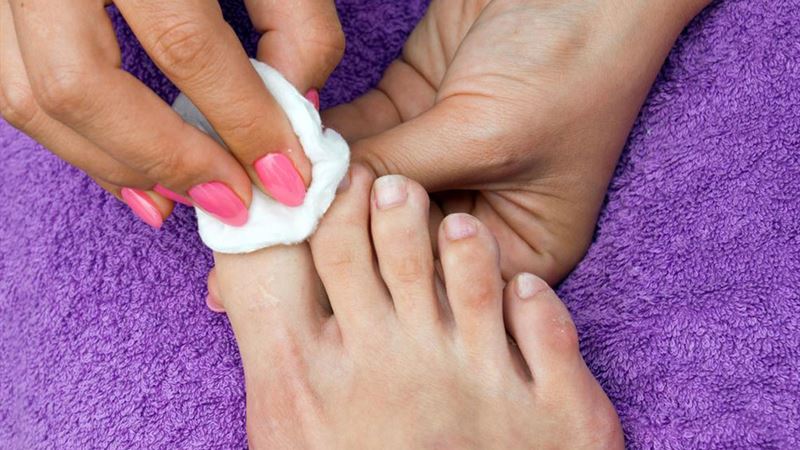
Dealing with nail fungus can be challenging, but with the right approach, recovery is entirely achievable. The initial step involves accurately diagnosing the infection and selecting the most suitable treatment options. Oral antifungal medications are commonly prescribed by healthcare providers to combat the fungal infection effectively. These medications work internally to eliminate the fungus and prevent its further spread. Additionally, topical treatments, such as medicated creams, can be applied directly to the affected nails to accelerate healing and restore nail health.
When the fungal infection reaches an advanced stage or involves deeper layers beneath the surface of the nail and surrounding skin, more aggressive interventions might be necessary. In such cases, a minor surgical procedure may be performed by a qualified healthcare professional to remove infected tissue or to facilitate the direct application of antifungal agents to the problematic areas, ensuring thorough treatment.
Proper nail hygiene is crucial in both preventing and treating nail fungus. Maintaining cleanliness by washing hands and feet regularly, especially after exposure to communal areas like gyms or pools, minimizes the risk of fungal growth. Keeping nails trimmed and dry is equally important, as moisture promotes fungal proliferation. Wearing breathable footwear and changing socks frequently can also reduce the chances of reinfection. For persistent or severe cases, consulting a dermatologist or podiatrist promptly can lead to tailored treatment plans and better outcomes.
Overall, the success of nail fungus treatment hinges on early detection, consistent application of prescribed remedies, and adherence to good hygiene practices. Recognizing initial symptoms such as discoloration, thickening, or crumbling of nails enables prompt intervention, increasing the likelihood of a complete recovery and healthier nails in the future.