
Effective Strategies to Alleviate Pollen Allergy Symptoms Naturally
Discover comprehensive natural methods to reduce pollen allergy symptoms effectively. From herbal teas and bee pollen to hydration and dietary strategies, learn how to better manage your allergies and enhance immune health during seasonal peaks. Implement practical tips and lifestyle changes to enjoy outdoor activities with less discomfort and improve your well-being naturally.
Understanding Pollen Allergies
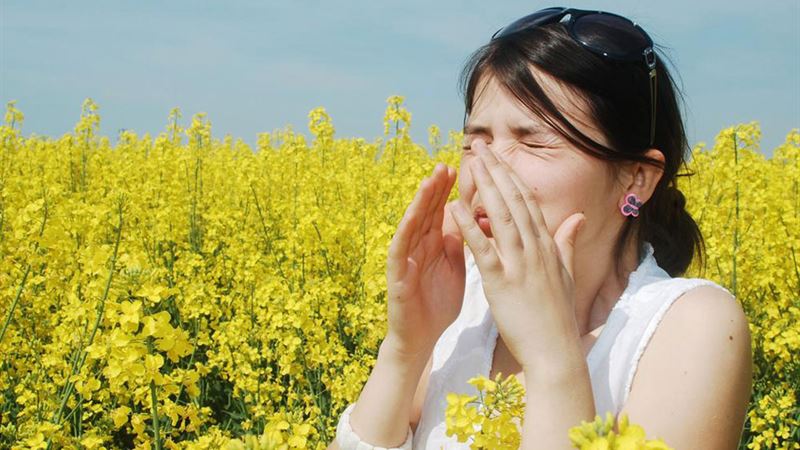
Pollen allergy, also known as hay fever or allergic rhinitis, results from an immune system overreaction to pollen particles released by trees, grasses, and weeds. During certain times of the year, these seasonal pollens are airborne and inhaled, triggering allergic responses. Symptoms often include sneezing, runny nose, nasal congestion, itchy or watery eyes, cough, and general fatigue. Chronic exposure can diminish quality of life and affect daily activities.
While antihistamines and corticosteroids are commonly prescribed, many sufferers prefer natural remedies and lifestyle modifications to manage their symptoms. This holistic approach aims to strengthen the immune system, reduce inflammation, and minimize allergen exposure.
Practical Home Remedies and Lifestyle Tips
1. Herbal Teas Infused with Nettle and Peppermint
Nettle tea is often misunderstood due to its reputation, but it’s a powerhouse herb with numerous health benefits. Rich in nutrients and antioxidants, nettle can help reduce inflammation and alleviate allergy symptoms. When combined with peppermint, which contains the flavonoid luteolin-7-O-rutinoside, the mixture becomes even more effective. Peppermint acts as a natural decongestant and has anti-inflammatory properties that help soothe irritated nasal passages and reduce pollen-induced inflammation.
To prepare, steep fresh or dried nettle leaves with fresh peppermint in hot water for 5-10 minutes. Regular consumption during allergy season can contribute to symptom relief and boost your immune response.
2. Consuming Bee Pollen to Build Immunity
Bee pollen is a natural ingredient derived from pollen collected by bees, packed with vitamins, minerals, and antioxidants. Some studies suggest that small doses of bee pollen can help desensitize your body to local allergens, reducing the severity of allergy symptoms over time. It's akin to allergy immunotherapy but in a natural form.
Begin with a tiny amount, such as a pinch or a quarter teaspoon daily, and gradually increase it under medical supervision. This practice encourages your immune system to better tolerate pollen, decreasing allergic responses. Remember, always consult your healthcare provider before starting bee pollen, especially if you have pollen allergies or are prone to allergic reactions.
3. Hydrating with Citrus-Rich Refreshing Drinks
During warmer months, allergies tend to worsen alongside rising temperatures. To combat dehydration and support immune health, adding vitamin C-rich citrus drinks can be highly beneficial. Oranges, grapefruits, lemons, and limes provide an abundance of vitamin C, which enhances immune defenses and has antihistamine-like effects.
Enjoy chilled citrus juices or infused water for a cooling, allergy-relief beverage. The vitamin C helps reduce histamine levels and soothes allergy symptoms, making outdoor activities more enjoyable during peak allergy season.
4. Quercetin-Rich Red Onion Water
Red onions are a natural source of quercetin, a potent antioxidant and anti-inflammatory compound. Quercetin works as a natural antihistamine, blocking the release of histamine—a chemical responsible for allergy symptoms. Studies have demonstrated that quercetin can reduce allergy severity by preventing inflammation and easing airway constriction.
To prepare, slice a few red onions and soak them in water overnight. Consume this onion-infused water daily to help moderate histamine release and open up your airways, making breathing easier during allergy season.
Additional Tips for Allergy Sufferers
- Keep windows closed during peak pollen times, especially early morning and late afternoon.
- Use HEPA air purifiers to filter airborne allergens indoors.
- Take a shower and change clothes after outdoor activities to wash off pollen from your skin and hair.
- Wear sunglasses and masks when outdoors to minimize pollen inhalation.
- Maintain a healthy diet rich in fruits, vegetables, and omega-3 fatty acids to support immune health.
- Regularly clean and vacuum your home to reduce indoor allergens.
Long-term Strategies to Manage Pollen Allergies
- Gradual Allergen Exposure: Like allergy shots, gradually exposing yourself to small amounts of pollen can desensitize your immune system over time. Consult an allergist for immunotherapy options.
- Boost Your Immune System: Prioritize sleep, physical activity, and proper nutrition to enhance your body’s natural defenses.
- Stay Informed: Keep track of pollen forecasts through weather apps or local alerts to plan outdoor activities accordingly.
- Natural Supplements: Supplements like Vitamin D, probiotics, and herbal extracts may support immune health. Discuss their use with your healthcare provider.
Consulting Healthcare Professionals
While these natural remedies can help alleviate symptoms, they are not substitutes for professional medical advice. Always consult an allergist or healthcare provider before starting any new treatment, especially if you have underlying health conditions or severe allergies. Proper diagnosis and personalized treatment plans are essential for effective allergy management.
In Summary
Managing pollen allergies involves a combination of natural remedies, lifestyle adjustments, and medical guidance. Incorporating herbal teas, bee pollen, vitamin C-rich drinks, and quercetin-rich foods into your routine can offer significant relief. Additionally, adopting preventive measures and staying informed about pollen levels can help you enjoy outdoor activities while minimizing allergy symptoms. By taking proactive steps, you can transform allergy season from a period of discomfort into a manageable and even enjoyable time.