
Effective Strategies to Minimize Pollen Allergy Symptoms Naturally
Discover comprehensive natural strategies to reduce pollen allergy symptoms. From herbal supplements and dietary changes to acupuncture and lifestyle tips, this guide offers practical solutions for allergy relief without medications. Learn how to incorporate turmeric, eat immunity-boosting snacks, schedule outdoor activities wisely, and explore alternative therapies for a healthier, allergy-free life during peak pollen seasons.
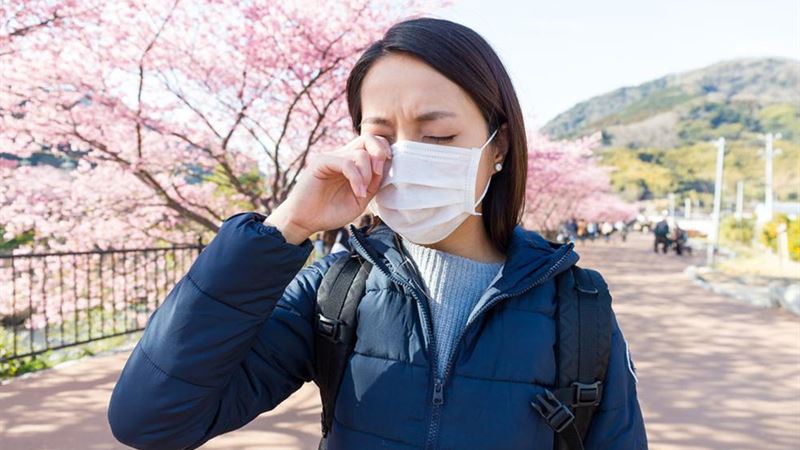
Utilize Herbal Supplements like Butterbur
Among the many natural options available, butterbur stands out for its proven efficacy in alleviating nasal congestion, sneezing, and other allergy symptoms. This perennial shrub has a longstanding reputation in herbal medicine. Research indicates that butterburn can be as effective as mainstream antihistamines in relieving nasal symptoms, but unlike conventional medications, it tends to lack the sedative side effects such as drowsiness. Its anti-inflammatory properties are believed to counteract immune responses triggered by pollen exposure, making it a preferred choice for allergy sufferers seeking a natural remedy.
Healthy Snacks & Nutrients to Support Immunity
Incorporating nutrient-rich foods into your diet can bolster your body's defenses against allergies. Walnuts are a particularly beneficial snack, thanks to their high content of magnesium, which may help soothe coughing and wheezing. Additionally, walnuts are rich in vitamin E, known for enhancing immune system function, thereby reducing the likelihood of an exaggerated allergic response. Apples, especially those high in quercetin, work as natural antihistamines. Quercetin inhibits the release of histamine, a chemical responsible for allergy symptoms. Regular consumption of apples or onions can prevent severe allergic reactions and reduce overall sensitivity to pollen.
Acupuncture as an Alternative Therapy
Many individuals have reported relief from allergy symptoms through acupuncture. A notable study published in the Annals of Internal Medicine found that patients receiving acupuncture experienced reduced fever and allergic symptoms compared to those who did not undergo acupuncture. The procedure is believed to modulate immune responses by decreasing inflammatory substances involved in allergic reactions. While the exact mechanisms are still under investigation, acupuncture is increasingly recognized as a complementary treatment option for allergy management, especially for those seeking drug-free options.
Incorporate Anti-Inflammatory Spices like Turmeric
Turmeric, a vibrant yellow spice, contains curcumin, which has potent anti-inflammatory and antioxidant properties. Including turmeric in your daily meals can help relieve congestion and reduce allergic symptoms. It acts as a natural decongestant, promoting clearer breathing and warding off cold-related symptoms often associated with allergy flare-ups. Using turmeric in cooking, teas, or supplements can strengthen immunity and reduce the body's hypersensitive reactions to pollen. Its valuable medicinal properties have been recognized in traditional medicine systems worldwide for centuries.
Timing Outdoor Activities to Minimize Pollen Exposure
Pollen release varies during the day, with the highest concentrations typically occurring early in the morning. For allergy sufferers, planning outdoor activities during late afternoon or evening can help avoid peak pollen times. Moving exercise routines to dusk reduces exposure, minimizing sneezing, itchy eyes, and runny noses. Staying indoors during high pollen periods and keeping windows closed can also decrease allergen intake. Adapting your outdoor schedule is a simple yet effective lifestyle modification that can significantly reduce allergy symptoms and improve overall comfort during pollen season.