
Essential Guide to Using Diabetes Monitoring Kits Effectively
Learn everything about diabetes test kits, including their components, proper usage, best practices, safety tips, and how they help in effective diabetes management. Proper testing can prevent emergencies and improve quality of life.
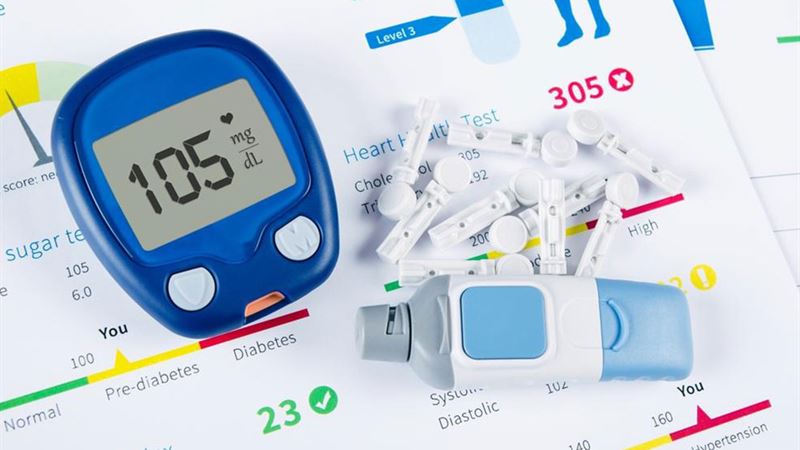
Understanding Diabetes Test Kits: Components and Functionality
A typical diabetes test kit consists of a glucometer (blood glucose meter) and disposable test strips. The glucometer is a small electronic device designed to analyze blood samples, providing instant readings of blood glucose levels. The test strips are chemically treated strips that react with glucose in the blood to produce a measurable electrical signal interpreted by the device.
To perform a test, a small blood sample—usually obtained via a finger prick—is applied to a test strip inserted into the glucometer. The device then processes the sample and displays a numerical blood sugar level on its screen within seconds. This process is quick, simple, and designed for frequent use, empowering users to actively manage their condition.
The Importance of Regular Monitoring
Regular blood glucose testing is vital for individuals with diabetes, guiding dietary choices, medication adjustments, and lifestyle modifications. Consistent monitoring helps prevent both hypoglycemia (low blood sugar) and hyperglycemia (high blood sugar), both of which can lead to serious health risks like cardiovascular disease, nerve damage, kidney failure, and vision loss.
Health professionals typically recommend testing during times such as before meals, after meals, before bedtime, and during diabetic emergencies. The frequency of testing varies depending on the type of diabetes and individual health considerations. For instance, people with type 1 diabetes may need to check several times daily, whereas those with stable type 2 diabetes might test less frequently.
How to Use a Diabetes Test Kit Properly
- Prepare Your Supplies: Ensure you have all necessary components—test strips, lancet device, alcohol swabs, and your glucometer—organized and within reach.
- Wash Your Hands: Clean hands thoroughly with soap and warm water. Dry completely to avoid diluting blood samples or introducing contaminants.
- Prepare the Lancing Device: Load a new lancet into the device, adjusting the depth setting to suit your comfort and skin thickness.
- Perform the Fingerstick: Prick the side of your fingertip with the lancet. Gently squeeze or massage to obtain a sufficient drop of blood.
- Apply Blood to the Test Strip: Touch the blood drop to the designated area on the test strip. Ensure the strip absorbs enough blood to produce an accurate reading.
- Read Results: Insert the test strip into the glucometer if it’s not already inserted, then wait for the device to display your blood glucose level.
- Record Your Data: Log your results in a journal or digital app to monitor trends over time and share with your healthcare provider.
Best Practices for Reliable Results
- Use a New Test Strip Each Time: Test strips are single-use products. Reusing strips can lead to inaccurate results and possible infections.
- Store Strips Properly: Keep test strips in their original sealed container, away from moisture, heat, and light. Do not transfer them to other containers.
- Check Expiry Dates: Always verify the expiry date on test strips before use. Expired strips may give unreliable readings.
- Maintain Device Cleanliness: Regularly clean your glucometer according to manufacturer's instructions to ensure proper function.
- Avoid Contamination: Do not share lancet devices or test strips with others to prevent cross-infection and contamination.
Safety Tips and Precautions
- Single-Use Only: Never attempt to reuse blood test strips or lancets. Single-use ensures sterility and accuracy.
- Infection Control: Always use new lancets and dispose of sharps properly. Wash hands before and after testing.
- Consistent Testing Conditions: Test under similar conditions, such as after fasting or at specified times, to obtain comparable readings.
- Follow Medical Advice: Always adhere to your healthcare provider's instructions regarding testing frequency and target blood sugar ranges.
Cost-benefit Analysis of Diabetes Testing Kits
While quality diabetes test kits can be relatively expensive, their role in preventing severe health issues makes them a valuable investment. Frequent monitoring allows for timely adjustments in diet, medication, and lifestyle, ultimately saving costs associated with managing diabetes complications. Regular testing also provides peace of mind, empowerment to manage your health proactively, and the potential to catch abnormal blood sugar levels early.
Conclusion: Why Using a Diabetes Test Kit Can Save Your Life
Diabetes management is ongoing and demands vigilance. With proper understanding and consistent use of test kits, individuals with diabetes can maintain better control over their condition, significantly reducing the risk of complications. Despite the costs, these kits are essential tools that can help detect dangerous fluctuations in blood glucose levels early, preventing medical emergencies and ensuring a healthier, more productive life. Educate yourself on correct testing procedures, stay disciplined in your routine, and consult healthcare professionals regularly to optimize your diabetes management regimen.