
Comprehensive Guide to Monitoring and Managing Your Blood Glucose Levels
This comprehensive guide highlights the importance of monitoring blood glucose levels, understanding glucose charts, and adopting lifestyle habits to maintain healthy blood sugar ranges. Regular tracking helps prevent complications associated with diabetes and supports overall health. Learn practical tips on methods, tools, and lifestyle changes to effectively control blood sugar, ensuring a healthier life.
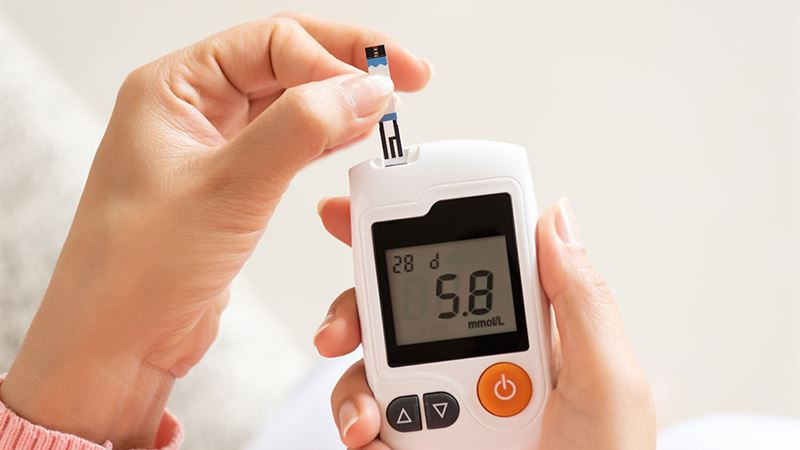
Maintaining stable blood sugar levels is essential for overall health and well-being. Fluctuations in glucose can lead to serious health complications, especially for individuals with diabetes. The process of tracking blood sugar levels over time helps in understanding your body’s response to different foods, activities, and medications. This detailed guide explores the importance of blood glucose monitoring, how to interpret glucose charts, and lifestyle habits to keep your blood sugar within healthy ranges.
Blood sugar levels naturally fluctuate throughout the day, influenced by meals, physical activity, stress, and sleep patterns. Typically, fasting blood glucose levels in healthy individuals are below 99 milligrams per deciliter (mg/dL). However, for those managing diabetes, maintaining blood sugar within target ranges becomes a critical daily task. Standard goals for diabetics often aim to keep pre-meal glucose levels below 130 mg/dL and post-meal levels under 180 mg/dL, but these can vary based on individual health conditions and doctor recommendations.
What Exactly Is a Blood Sugar Chart?
A blood sugar or glucose chart is a visual tool that displays your blood glucose levels at different times throughout the day. It helps in identifying patterns and understanding how your body responds to various factors. The chart records fasting blood sugar levels, post-meal levels, and sometimes bedtime or overnight readings. Monitoring these levels offers invaluable insights for both patients and healthcare providers to adjust treatment plans effectively.
Blood sugar levels are inherently dynamic, changing in response to meals, physical activity, stress, and sleep. By documenting these fluctuations, a blood sugar chart provides a snapshot of your metabolic health. For diabetics, it highlights days where blood sugar spikes or drops dangerously low, enabling proactive measures.
Why Tracking Blood Glucose Is Crucial
Just as blood pressure and cholesterol are vital indicators of health, blood glucose levels serve as a vital sign of metabolic balance. Regularly documenting your blood sugar levels allows for early detection of abnormalities, which can prevent long-term complications. For healthy individuals, tracking might seem unnecessary but can uncover subtle issues before symptoms appear. For diabetics and high-risk populations, meticulous monitoring is often lifesaving.
Uncontrolled blood sugar can impair multiple organs and systems, including kidney function, eyesight, cardiovascular health, and nerve integrity. Sudden rises or falls can cause acute symptoms and exacerbate chronic conditions. Consistent recording helps in tailoring diet, lifestyle, and medication regimens that stabilize glucose levels and reduce health risks.
Monitoring for Diabetics and Non-Diabetics Alike
Individuals diagnosed with diabetes must vigilantly track their blood glucose to avoid dangerous hyperglycemia (high blood sugar) or hypoglycemia (low blood sugar) episodes. Keeping a detailed log empowers patients to understand how dietary choices, physical activity, medication timings, and stress influence their glucose levels. This proactive approach enhances adherence to treatment plans and fosters better health outcomes.
For non-diabetics, occasional monitoring might reveal underlying issues like insulin resistance or prediabetes, enabling early interventions. It also encourages a lifestyle of health-conscious habits, including diet and exercise, which can prevent the progression to full-blown diabetes.
Tools, Components, and Best Practices for Blood Sugar Monitoring
Modern devices such as glucometers and continuous glucose monitors (CGMs) make tracking blood sugar levels straightforward and accurate. Before selecting a device, consult your healthcare provider for guidance on the best option suited to your needs. Proper training on device use ensures reliable results.
Typically, a blood glucose chart for diabetics should include fasting levels, post-meal readings, and possibly pre-bedtime readings. Comparing these values to target ranges helps determine your current status and guides necessary adjustments.
The standard healthy ranges are:
- Fasting blood sugar: less than 100 mg/dL
- Post-meal (after 2 hours): less than 140 mg/dL
Deviations from these ranges indicate the need for lifestyle modifications or medication adjustments. Regularly updating your blood sugar chart provides a clear picture of your health trajectory and helps you stay on track.
Key Lifestyle Strategies to Regulate Blood Glucose
Maintaining optimal blood sugar levels requires a holistic approach that encompasses diet, physical activity, sleep, and stress management. Adopting healthy habits can significantly improve your ability to keep glucose within desired ranges.
Dietary choices should focus on balanced, nutrient-rich foods such as vegetables, lean proteins, whole grains, and healthy fats. Limiting refined sugars and processed foods minimizes blood sugar spikes. Portion control and consistent meal timing help stabilize levels.
Physical activity plays a vital role. Regular walking, jogging, cycling, or swimming enhances insulin sensitivity and promotes metabolic health. Aim for at least 150 minutes of moderate exercise weekly, as recommended by health authorities.
Sleep quality impacts glucose regulation. Prioritize adequate rest and establish a consistent sleep routine. Managing stress through techniques like meditation, deep breathing, or yoga also positively influences blood sugar control.
Avoiding harmful habits such as smoking and excessive alcohol consumption is essential. These behaviors can impair insulin function and exacerbate blood sugar issues.
Finally, routine health checkups and communication with your healthcare provider ensure personalized strategies and timely adjustments to your management plan.