
Understanding Glucose Monitoring: Significance, Components, and Effective Management
Discover comprehensive insights into blood glucose monitoring, its importance, components, and effective management strategies. Learn how glucose charts help track fluctuations, prevent complications, and maintain overall health through lifestyle changes and medical guidance. Perfect for diabetics and health-conscious individuals alike.
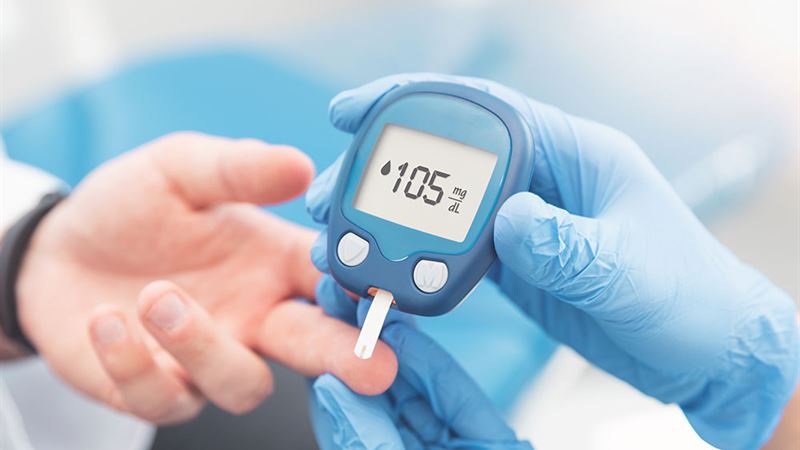
Blood glucose levels fluctuate naturally throughout the day, influenced by factors such as meal intake, physical activity, and metabolic processes. Typically, in healthy individuals, fasting blood sugar remains below 99 milligrams per deciliter (mg/dl), and post-meal levels are generally below 140 mg/dl. However, for those managing diabetes, maintaining these levels within targeted ranges is crucial to prevent complications. Post-meal blood sugar levels should ideally stay under 180 mg/dl, while fasting levels should stay below 99 mg/dl to promote overall health and reduce risks.
What Is a Blood Glucose Chart? An Essential Tool for Diabetes Management
Blood glucose monitoring is an integral part of managing diabetes and assessing overall health. A blood glucose chart, also known as a glucose levels chart, visually displays blood sugar readings over a specific period, typically 24 hours or longer. This tool helps both patients and healthcare providers understand blood sugar patterns, identify fluctuations, and make informed decisions about diet, medication, and physical activity.
Blood sugar levels are inherently dynamic and can vary significantly based on various factors such as diet, stress, medication adherence, physical activity, and sleep quality. A well-maintained glucose chart captures these fluctuations, providing valuable insights into the body's response to different stimuli. By analyzing this data, healthcare providers can adjust therapies more precisely, aiming for optimal blood sugar control and prevention of long-term complications.
The Importance of Monitoring Blood Sugar Levels and Using Glucose Charts
Regular monitoring of blood glucose levels is indispensable for maintaining health, whether you are a healthy individual or someone diagnosed with diabetes. For healthy individuals, tracking blood sugar helps recognize how lifestyle choices influence metabolic health. For diabetics, consistent blood sugar testing is vital for preventing complications such as nerve damage, kidney failure, vision loss, and cardiovascular problems.
Blood sugar levels directly impact vital bodily functions, including kidney health, eye health, and heart function. Sudden spikes or drops can put undue stress on these organs, leading to severe health issues over time. Therefore, a comprehensive understanding of blood glucose management through charts and regular testing is crucial for sustaining overall well-being.
For individuals living with diabetes, diligent monitoring helps keep the condition under control, reducing the risk of acute emergencies and chronic complications. It empowers them to make proactive adjustments in their lifestyle, medication, and diet, ultimately leading to better quality of life.
Effective Blood Glucose Monitoring: Components, Techniques, and Best Practices
Modern devices such as glucometers are standard tools for tracking blood sugar levels. However, successful management begins with proper device use, guided by healthcare professionals. Always seek your doctor’s advice before incorporating any new device into your routine, ensuring correct operation and interpretation of results.
For diabetics, a typical glucose chart will include key readings such as fasting blood sugar levels, pre-meal, and post-meal measurements. Comparing these values against recommended ranges helps identify patterns and potential issues. The standard healthy fasting blood sugar level is below 100 mg/dl, while post-meal levels should stay below 140 mg/dl. Deviations from these ranges can signal the need for medical intervention or lifestyle adjustments.
Maintaining optimal blood glucose levels involves adopting a holistic approach that combines medication adherence with lifestyle modifications. A balanced diet rich in fiber, healthy fats, and lean proteins supports stable blood sugar levels. Regular physical activity, such as walking or jogging, is highly effective in enhancing insulin sensitivity.
Lifestyle changes also include avoiding harmful habits like smoking and excessive alcohol consumption and managing stress effectively. Adequate sleep and routine exercise are fundamental to achieving and maintaining target glucose levels. These practices collectively contribute to a healthier, more balanced metabolic profile, reducing the risk of complications over the long term.
Conclusion
Effective blood sugar management is a cornerstone of good health, especially for individuals with diabetes. Utilizing glucose charts enables precise tracking of blood glucose fluctuations, empowering individuals to make informed lifestyle and treatment decisions. Adopting a comprehensive approach that combines regular monitoring, healthy eating, physical activity, adequate rest, and stress management helps maintain blood sugar within healthy ranges. Empower yourself with knowledge and consistent practices to safeguard your health and enhance your quality of life.