
Comprehensive Guide to Dental Bridges: What You Must Know Before Getting One
Discover everything you need to know about dental bridges, from types and costs to maintenance and suitability. This comprehensive guide helps you understand how to choose the right restoration for your missing teeth, ensuring long-lasting results and improved oral health. Learn about the different options, lifespan, and care tips to make informed decisions and achieve a confident smile.
Understanding Dental Bridges: Your Complete Guide
Dental health is paramount to overall well-being, and missing teeth can significantly impact both function and aesthetics. Dental bridges are a popular solution for replacing missing teeth, restoring your smile, and improving chewing and speech. Before making the decision to go ahead with dental bridges, it’s crucial to understand the various types, costs, benefits, and considerations involved. This comprehensive guide will explore everything you need to know about dental bridges, including their types, longevity, suitability, and maintenance, to help you make an informed decision.
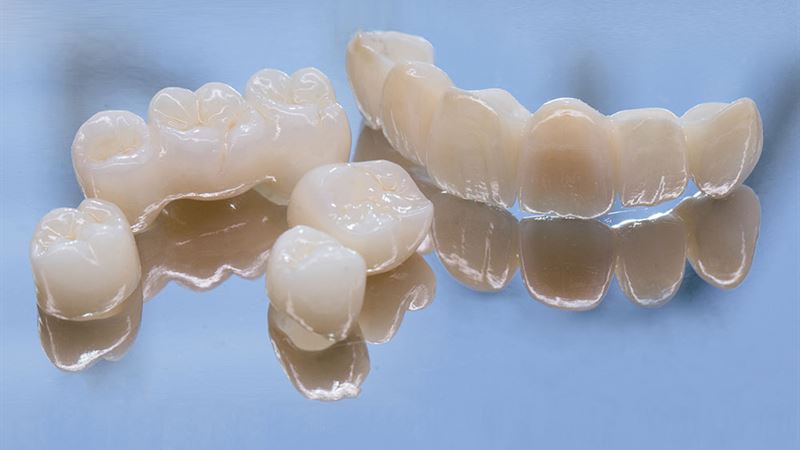
Factors Influencing the Cost of Dental Bridges
The price of a dental bridge can vary widely, depending on a multitude of factors. This variation stems from differences in the type of bridge selected, the materials used, the complexity of the placement procedure, and additional treatments that might be necessary beforehand. Understanding these factors can help you anticipate the potential costs and plan accordingly.
- Type of Dental Bridge: Different types of bridges are suited to different clinical situations, and each comes with its unique cost implications.
- Materials Used: The choice of materials, such as resin, zirconia, or metal alloys, influences the overall price. Each material varies in durability, appearance, and cost.
- Number of Teeth Replaced: Replacing multiple adjacent teeth may increase the complexity and, consequently, the price.
- Additional Treatments: Procedures like root canals, extractions, or bone grafts needed before the bridge installation can add to the overall cost.
Understanding these factors can help you discuss options effectively with your dental provider and make choices that match your budget and aesthetic preferences.
Types of Dental Bridges
There are several types of dental bridges, each suited for specific situations. Your dentist will recommend the most appropriate option based on your oral health, the location of missing teeth, and your overall treatment goals. Let’s explore the most common types:
- Traditional Dental Bridges: The most common type, these involve a false tooth anchored between two crowns that are cemented onto adjacent natural teeth. They are suitable when healthy teeth are available on both sides of the gap.
- Maryland Dental Bridges: Also known as resin-bonded bridges, these use a metal or porcelain framework bonded to the back of adjacent teeth. They are less invasive and ideal for front teeth where aesthetics are a priority.
- Cantilever Bridges: These are supported by a single natural tooth instead of two. They are suitable when only one adjacent tooth is available for support, but are less common due to stability concerns.
- Implant-Supported Bridges: These are anchored directly onto dental implants placed into the jawbone. Known for their durability and stability, they often last longer than other types but require surgical procedures and multiple visits.
What You Need to Know About Dental Bridges
Expected Lifespan
The longevity of a dental bridge depends greatly on how well you care for it and routine dental visits. Proper oral hygiene and regular checkups can significantly extend the lifespan of your bridge. Traditional bridges typically last between 5 to 15 years, with some lasting even longer if maintained properly. Implant-supported bridges tend to have a longer lifespan, often exceeding 15 years, due to their stable anchorage. Frequent replacements are usually needed once the bridge reaches a decade, making maintenance a key factor in its durability.
Enhancing Chewing and Speech
Many patients worry that dental bridges might interfere with their ability to chew or speak naturally. The good news is that well-fitted bridges generally restore normal function. After an adjustment period, most patients find speaking and eating with a bridge is comfortable. Initially, you may experience some difficulty or discomfort, but soft foods and gradual adaptation can ease the transition. Once accustomed, you should be able to chew and speak without hindrance, improving your quality of life significantly.
Limitations and Suitability
Despite their popularity, dental bridges aren’t suitable for everyone. Candidates must meet certain criteria to ensure success:
- Good oral hygiene practices
- Overall good health
- Healthy and sufficient bone structure to support the bridge
- Presence of one or more missing permanent teeth
Before proceeding, your dentist will evaluate your oral health condition through examination and imaging. If you don’t meet these criteria, alternative options like implants or partial dentures might be recommended.
Temporary Nature of Dental Bridges
While dental bridges are designed to function and mimic natural teeth, they are not a permanent solution. Most bridges will need replacement or realignment over time due to wear and tear. Routine dental visits, proper oral hygiene, and avoiding undue pressure can prolong their lifespan, but eventual replacement is inevitable to prevent complications.
Bone and Gum Preservation
Another crucial aspect to consider is that dental bridges do not prevent bone loss or gum recession in the areas of missing teeth. Because bridges are not anchored to the jawbone but rather to adjacent teeth or implants, the underlying bone may gradually deteriorate without stimulation. For those with significant bone loss or gum issues, implant-supported bridges may be a better long-term option.
In conclusion, dental bridges are a valuable restorative option that can restore both the function and aesthetics of your smile. Consulting with a qualified dental professional will help determine the most suitable type for your needs, ensuring you enjoy a long-lasting and comfortable result.
**Remember:** Good upkeep is essential to extend the life of your dental bridge, and regular dental checkups are integral to maintaining oral health and preventing future complications.