
Comprehensive Guide to Dental Crowns and Caps: Types, Materials, and Maintenance
This comprehensive guide explores various types of dental crowns and caps, including ceramic, porcelain-fused-to-metal, gold, and base metal alloys. It discusses their features, benefits, and ideal applications. The article provides valuable tips on selecting the best crown type based on functionality and aesthetics, along with maintenance advice to prolong their lifespan. Whether you're considering restoring a damaged tooth or exploring cosmetic options, this detailed overview helps you make informed decisions for your oral health, ensuring durable and natural-looking dental restorations.
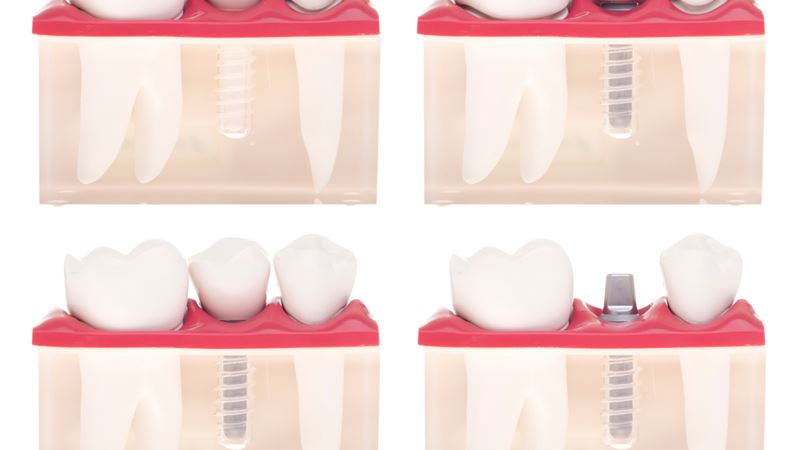
Dental crowns and caps are essential restorative tools used by dentists worldwide to protect, restore, and enhance the functionality of damaged or decayed teeth. Their importance in modern dentistry cannot be overstated, as they help in maintaining oral health, improving aesthetics, and ensuring long-term dental stability. To understand these dental restorations thoroughly, it’s important to explore their various types, the materials used in their fabrication, how to choose the right crown or cap, and the essential maintenance tips for longevity.
Understanding Different Types of Dental Crowns and Caps
Dental crowns and caps are custom-made covers designed to encase a damaged tooth completely. They serve several purposes, including restoring the tooth's shape, size, and strength, and restoring its appearance. The selection of a specific crown or cap depends on various factors such as the location of the tooth, the extent of damage or decay, aesthetic requirements, and patient preferences. The primary types of crowns and caps available in dentistry include ceramic crowns, porcelain fused to metal, gold alloys, and base metal alloys. Let’s delve into each type in detail.
- Ceramic Crowns and Caps
As their name indicates, ceramic crowns are crafted from high-quality porcelain or similar ceramic materials. They are renowned for their excellent aesthetic qualities, seamlessly blending with the natural tooth color. Because of their translucency and color-matching ability, ceramic crowns are particularly popular for restoring front teeth, where appearance is critically important. These crowns are custom-shaped and glazed to resemble natural teeth, offering a highly natural look. Although they are not as sturdy as metal-based crowns, advancements in ceramic technology have significantly enhanced their strength and durability, making them a viable option for many patients.
- Porcelain-Fused-to-Metal (PFM) Crowns
Porcelain-fused-to-metal crowns combine the aesthetic appeal of porcelain with the strength of a metal substructure. These crowns are fabricated with a metal framework that provides support and durability, covered by a layer of porcelain to match the surrounding teeth. PFM crowns are widely favored due to their balance of strength and appearance, making them suitable for both front and back teeth subjected to chewing forces. The metal base ensures resistance to fracture, while the porcelain overlay offers a natural look. These crowns are often recommended for patients looking for a durable yet aesthetic restoration.
- Gold Alloys
Gold crowns have long been regarded as the gold standard for strength and longevity. Made from a mixture of gold and other metals such as copper and platinum, these crowns are highly resistant to wear and corrosion. They are especially beneficial for restoring molars and back teeth, where biting forces are intense. Gold crowns require minimal tooth reduction before placement and are less likely to cause wear to the opposing natural teeth. Durability and biocompatibility are among their key advantages, making them a popular choice for patients prioritizing function over aesthetics.
- Base Metal Alloys
Base metal alloy crowns are fabricated from non-noble metals, such as nickel, chromium, or cobalt. These crowns are known for their excellent strength, resistance to corrosion, and affordability. They are particularly useful when a sturdy, cost-effective restoration is needed, especially for posterior teeth that endure heavy chewing. These crowns require less tooth removal compared to other types, and their high resistance to wear makes them a durable choice. However, some patients may have allergies or sensitivities to certain base metals, which should be considered during selection.
Key Factors in Selecting the Right Crown or Cap
The decision regarding which type of crown or cap to use hinges upon multiple factors, including the specific needs of the patient, the location of the tooth, aesthetic considerations, and durability requirements. Here are some critical aspects to keep in mind:
- Seal and Fit - The ability of the crown to create a proper seal around the tooth, preventing bacteria infiltration and subsequent decay, is paramount.
- Material Strength and Durability - For molars or heavily used teeth, materials like gold alloys or base metal alloys are preferred due to their superior strength.
- Aesthetic Needs - For front teeth, ceramic or porcelain-fused-to-metal crowns are ideal because they resemble natural teeth closely.
- Underlying Tooth Condition - The amount of remaining tooth structure influences the choice of crown type; stronger materials might be necessary for severely damaged teeth.
For example, while porcelain crowns are favored for at-the-front restorations, gold crowns might be more suitable for molars due to their unparalleled durability. Modern dental technology allows for highly personalized restorations, ensuring optimal fit, function, and aesthetics based on individual patient needs.
Longevity and Maintenance of Dental Crowns and Caps
With proper care, dental crowns and caps can last a lifetime; however, their longevity is largely dependent on how well you maintain your oral health. Common issues such as loosening, wear, or fracture can be prevented with diligent dental hygiene and regular check-ups.
Here are some essential tips for maintaining your restored teeth:
- Maintain Excellent Oral Hygiene - Brush at least twice daily with fluoride toothpaste, and floss daily to remove plaque and prevent decay around the crown margins.
- Avoid Hard and Sticky Foods - Biting into hard candies, ice, or sticky foods like caramel can cause crowns to crack or loosen.
- Regular Dental Visits - Schedule routine dental exams and professional cleanings to ensure the health and integrity of your crowns.
- Handle Bruxism - If you grind your teeth at night, consider using a nightguard to protect your crowns from excessive forces.
- Immediate Care for Damage - If a crown becomes loose or falls out, seek dental attention promptly to prevent further damage or bacterial invasion.
Overall, adhering to good oral hygiene practices and seeking timely dental care can help extend the life of your dental crowns and caps. Advances in dental materials and techniques ensure that with proper maintenance, these restorations can serve patients effectively for many years.
In conclusion, understanding the different types of crowns and caps, their materials, and maintenance requirements equips you with the knowledge to make informed decisions about your dental health. Whether it's a ceramic crown for aesthetics or a gold alloy for strength, selecting the right restoration and caring for it diligently ensures a healthy, functional smile for years to come.