
Comprehensive Guide to Cultivating and Maintaining Vibrant Hydrangeas
Discover the ultimate guide to planting, caring for, and pruning hydrangeas. Learn how soil pH affects flower color, the best planting techniques, seasonal care tips, and pruning methods tailored to various hydrangea types. Enhance your gardening skills and enjoy lush, vibrant blooms all year round with our comprehensive advice on cultivating hydrangeas successfully.
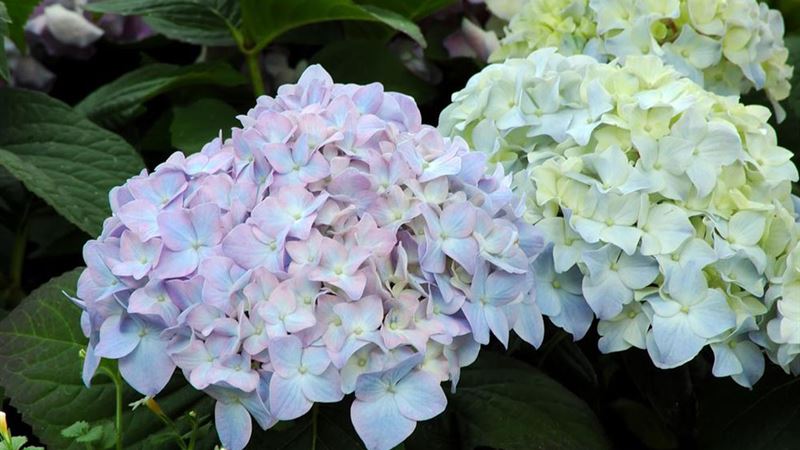
The Fascinating Aspects of Hydrangeas
Hydrangeas are renowned for their breathtaking blooms and dynamic color-changing properties, making them a popular choice among gardeners and floral enthusiasts. One of their most intriguing features is the ability of their flower colors to shift based on soil chemistry. The interplay between soil pH levels and aluminum ion availability influences their hue, giving gardeners a cosmetic palette to work with. Acidic soils, with a pH below 5.5, typically produce stunning blue flowers, while alkaline soils, with a pH above 5.5, tend to result in charming pink blossoms. Interestingly, white hydrangeas remain unaffected by soil pH, maintaining their pristine appearance across different soil conditions.
Step-by-Step Guide to Plant Hydrangeas
Proper planting is crucial to ensure healthy growth and abundant flowering. Hydrangeas should be spaced approximately 3 to 10 feet apart, depending on the variety and growth habits. The planting site must be chosen carefully—preferably in a location with rich, moist, well-drained soil. Enriching the soil with organic compost enhances its nutrient content and water retention capacity, especially in less fertile or sandy soils. Planting is ideally performed during spring or fall to allow roots to establish before extreme weather conditions.
To plant hydrangeas, dig a hole twice as wide and slightly shallower than the root ball. Place the shrub into the hole, making sure the top of the root ball is level with the soil surface. Fill the hole halfway with soil, then water thoroughly to eliminate air pockets and help settle the soil around the roots. After watering, fill the remaining hole with soil and gently firm it. This method promotes healthy root contact with the soil and prevents future root disturbance.
Caring for Hydrangeas: Essential Maintenance Tips
Hydrangeas require consistent moisture to thrive. The plant's leaves will wilt if left in dry soil, so regular watering—especially during hot, dry spells—is vital. Ensure the soil remains consistently moist but not waterlogged. Applying mulch around the base of the plant helps retain soil moisture, suppresses weeds, and moderates soil temperature. Fertilizing hydrangeas can promote lush foliage and abundant blooms; however, over-fertilizing leads to excessive leafy growth at the expense of flowers. Therefore, in nutrient-rich soils, additional feeding may not be necessary. Conversely, in sandy or poor soils, applying a balanced, slow-release fertilizer once a year during late winter or early spring supports healthy development.
Seasonal covering is essential to protect hydrangeas during winter. Use natural insulators such as pine needles, straw, or fallen leaves, covering the plant to a depth of at least 18 inches. For added protection, especially in regions with harsh winters, construct cages around the plants using snow fencing or chicken wire, then fill these with insulating materials. This prevents frost damage and helps the plant endure cold temperatures.
Pruning Techniques for Hydrangeas
Pruning is a key component in maintaining healthy hydrangeas and encouraging vigorous flowering. The approach varies depending on the hydrangea type. Generally, pruning involves removing the oldest stems down to the base to stimulate new growth, which results in abundant and vibrant blooms. When the plant appears old, neglected, or damaged, a more thorough pruning—cutting all stems to the ground—is recommended to rejuvenate it. This process, known as renewal pruning, encourages the development of fresh shoots and flower buds.
The timing of pruning largely depends on the variety of hydrangea. Mophead (Hydrangea macrophylla) and Lacecap hydrangeas should be pruned after flowering, once the blooms have faded, to prevent removing the next season’s buds. Conversely, panicle (Hydrangea paniculata) and smooth hydrangeas (Hydrangea arborescens) prefer winter pruning while the plant is dormant. Pruning these in late winter allows the formation of new flower buds in spring. Always prioritize removing dead or diseased branches and avoid over-pruning, which can diminish flowering potential.
Deadheading, the process of removing faded flowers, encourages new blooms and prolongs flowering periods. Regular maintenance ensures your hydrangeas remain healthy, vibrant, and a striking feature in your garden landscape.