
Comprehensive Guide to Cultivating and Maintaining Hydrangea Plants for Vibrant Blooms
Discover expert tips for planting, caring for, and maintaining hydrangea plants. Learn about ideal site selection, soil preparation, watering, pruning, and pest management to ensure your hydrangeas flourish with vibrant blooms. Turn your garden into a stunning floral haven with proper care techniques that promote healthy growth and abundant flowering year after year.
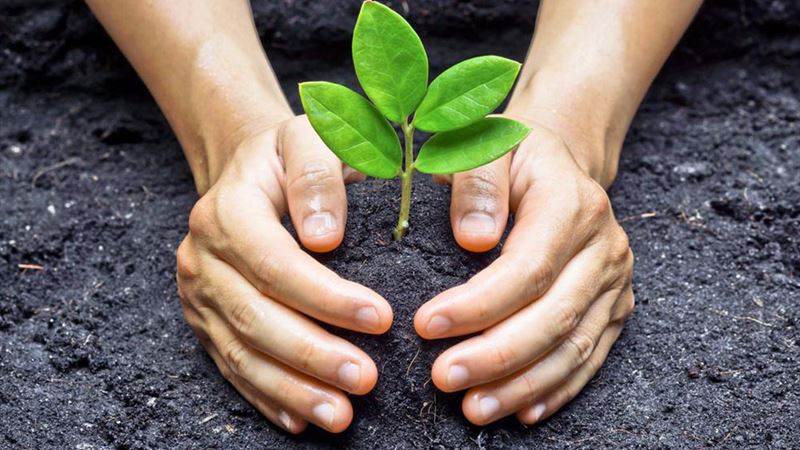
Hydrangeas are beloved garden staples renowned for their spectacular floral displays and lush foliage. With proper care, these versatile flowering shrubs can transform your landscape into a vibrant paradise. This extensive guide offers insights into selecting the ideal planting location, preparing the soil, planting techniques, and ongoing maintenance practices to ensure healthy growth and dazzling blooms. Whether you're a seasoned gardener or a beginner, understanding the nuances of hydrangea cultivation will help you enjoy their beauty for many years to come.
Choosing the Perfect Site for Your Hydrangea Plants
- Climate considerations: Hydrangeas thrive best in regions with moderate temperatures and higher humidity levels. If you reside in a northern state or cooler climate zone, confirm that your local climate supports hardy hydrangea varieties. Most hydrangea species prefer a temperate environment with well-distributed rainfall.
- Sunlight requirements: Proper sun exposure is crucial. Select a site that provides at least 2 to 3 hours of morning sunlight, which helps promote healthy flowering. Avoid areas with intense afternoon sun, as excessive heat and sunlight can stress the plants, resulting in fewer blooms or scorched foliage.
- Protection from harsh elements: Ensure the planting zone is shielded from strong winds or harsh weather conditions. Wind can damage delicate flower clusters and hinder growth. If necessary, plant near windbreaks or construct barriers to provide additional protection.
Soil Preparation and Testing
The quality of the soil directly impacts hydrangea health and flowering potential. Conduct a soil test through your local nursery or extension service to determine fertility levels and pH balance. The ideal soil types for hydrangeas are loam or rich, well-drained soils that retain moisture but do not become waterlogged.
Understanding Soil Types
- Sand: Drains quickly but lacks nutrients, requiring regular fertilization.
- Silt: Retains moisture well but may compact easily, affecting root growth.
- Clay: Holds nutrients and water but can cause drainage issues if poorly managed.
- Loam: Combines sand, silt, and clay in balanced proportions, making it the most suitable for hydrangeas.
Planting Techniques for Hydrangeas
Once you've selected the ideal site and prepared the soil, the next step is planting. Measure and mark the space to ensure adequate room for growth. Most hydrangea varieties require about 3 to 4 feet of space around each plant to flourish and produce abundant blooms.
Before planting, gently untangle the roots with your fingers to prevent tangling and encourage outward growth. Dig a hole twice as wide as the root ball and deep enough to sit the plant at the same depth as it was in its nursery container. Fill the hole with soil, firm gently, and water thoroughly to settle the soil around the roots.
Essential Care Tips for Thriving Hydrangeas
Sunlight and Temperature
- Morning sunlight: Hydrangeas prefer partial sun, particularly morning light, which energizes blooming without exposing them to intense midday or afternoon heat.
- Temperature constraints: Avoid planting in areas with extreme heat or cold. Mulching helps regulate soil temperature and retains moisture.
Watering Practices
- Consistent watering: During the blooming season, hydrangeas require regular watering to keep the soil moist but not soggy. Deep watering encourages deep root growth.
- Rainwater advantage: Whenever possible, use rainwater to water your plants, as it lacks the chemicals often present in tap water that can affect soil acidity and plant health.
Protection from Wind and Elements
- Wind mitigation: Protect hydrangeas from strong winds by planting near natural windbreaks or installing barriers. This prevents damage to stems and flower clusters.
Ensuring Proper Drainage
- Drainage importance: Well-drained soil is vital to prevent root rot. If your soil is heavy clay, amend it with organic matter such as compost or coarse sand to improve drainage.
Ongoing Maintenance and Pruning
To guarantee your hydrangeas produce lush blooms year after year, adhere to proper pruning and fertilization routines. Pruning strategies differ depending on the hydrangea variety. For example, some bloom on new wood, while others develop flowers on old growth.
Pruning Tips
- Prune in late winter or early spring for most varieties, removing dead or damaged wood.
- For flowering on old wood, prune immediately after flowering to avoid cutting off next year's buds.
Feeding Hydrangeas
- Feed with a balanced, slow-release fertilizer in early spring, rich in nitrogen for growth and phosphorus for flowering.
- Adjust soil pH using soil amendments like aluminum sulfate or lime to control flower color—acidic soils produce blue flowers, alkaline soils lead to pink blooms.
Maximizing Bloom Production and Visual Appeal
Proper watering, fertilization, and pruning will maximize flower display. Mulching around plants suppresses weeds and conserves moisture. Deadhead spent flowers to encourage continuous blooming.
Health and Common Problems
- Pests: Watch for aphids, spider mites, and scale insects. Use organic insecticides or neem oil as preventive measures.
- Diseases: Prevent powdery mildew and leaf spot through good air circulation and proper watering practices.
- Soil issues: Adjust soil pH based on the desired flower color and ensure proper drainage to prevent root issues.
Enjoying Your Hydrangeas
With diligent care and attention, hydrangeas can become the centerpiece of your garden, offering striking visual appeal and even medicinal benefits. Their flowers can be cut and used in floral arrangements, bringing beauty indoors. Additionally, some studies suggest that certain components in hydrangeas may have antioxidant properties, though consultation with health professionals is advised before using them medicinally.
Conclusion
Growing hydrangeas requires patience, proper site selection, soil management, and consistent maintenance. When provided with the appropriate environment and care, these plants reward gardeners with an abundance of beautiful, long-lasting flowers and lush foliage. Whether you want to enhance your landscape or enjoy their aesthetic and potential health benefits, hydrangeas are an excellent choice for both novice and experienced gardeners alike.