
Ultimate Guide to Selecting the Perfect Fertilizer for Vibrant Hydrangeas in 2024
Discover the best fertilization strategies for hydrangeas in 2024, including organic and synthetic options, optimal application timings, and expert tips for vibrant blooms and healthy foliage. Elevate your gardening success with our comprehensive guide to nurturing these stunning flowering shrubs.
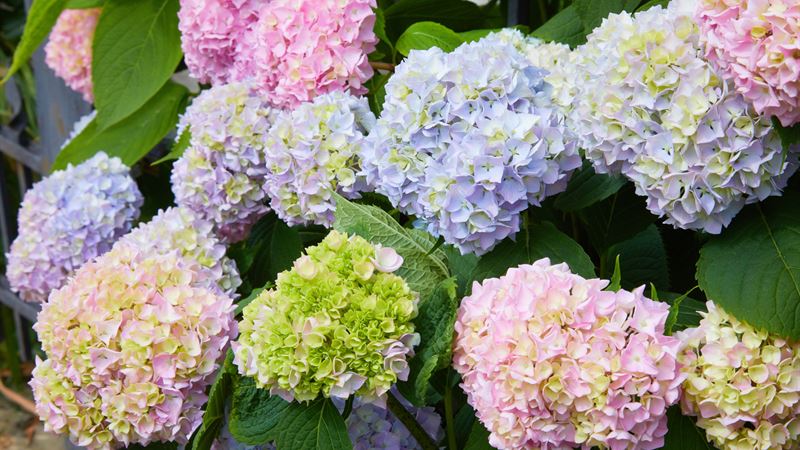
Hydrangeas are among the most beloved flowering shrubs, cherished for their large, lush clusters of blooms and their ability to enhance the aesthetic appeal of any garden. To maintain their stunning appearance, providing the right nutrients through appropriate fertilization is crucial. The choice of fertilizer plays a vital role in encouraging abundant flowering, healthy foliage, and resilient growth. In this comprehensive guide, we will explore how to select the best fertilizer for hydrangeas, the benefits of organic versus synthetic options, and expert tips on application timing and techniques to ensure your hydrangeas flourish throughout the year.
Understanding the Nutritional Needs of Hydrangeas
Hydrangeas thrive when their nutritional requirements are met with a balanced approach. Nitrogen, phosphorus, and potassium—collectively known as NPK—are the essential nutrients that support various aspects of plant health. For hydrangeas, an ideal fertilizer typically features a balanced or slightly low nitrogen to promote flowering over excessive foliage growth. Common ratios such as 10-10-10 or 12-4-8 serve as excellent options, providing a harmonious mix of nutrients for optimal development.
Nitrogen is vital for lush, verdant foliage, ensuring that the leaves are deep green and vigorous. However, too much nitrogen can lead to excessive leafy growth at the expense of flowers, so it should be used judiciously. Phosphorus is crucial for strong root systems and vibrant blossoms, helping the plant establish itself and produce abundant flowers. Potassium enhances overall plant vigor, improves disease resistance, and ensures that your hydrangeas remain resilient in varying weather conditions.
Choosing Organic Fertilizers for Better Soil and Plant Health
Organic fertilizers are increasingly popular among garden enthusiasts because of their ability to improve not only plant health but also soil quality. Ingredients like compost, well-aged manure, fish emulsion, and bone meal deliver nutrients slowly, preventing over-fertilization and nutrient runoff. Organic options foster beneficial microbial activity, which enhances soil fertility and structure, providing a healthier environment for hydrangeas to grow.
Moreover, organic fertilizers can help maintain the soil pH, which is particularly important for certain hydrangea varieties that change color based on soil acidity. For example, to achieve blue flowers, acidic soil conditions are preferred, often accomplished with amendments like sulfur or acidic organic fertilizers.
Utilizing Slow-Release and Organic Fertilizers for Continuous Nourishment
To ensure your hydrangeas receive consistent nourishment, consider using slow-release fertilizers. These products release nutrients gradually over weeks or months, delivering a steady supply that supports continuous growth and flowering. This approach reduces the likelihood of nutrient deficiency and minimizes the risk of fertilizer burn.
Applying Organic mulches such as bark or compost around your hydrangeas can also supplement soil nutrients, improve moisture retention, and regulate soil temperature, all contributing to healthier plants.
Proper Application Practices to Maximize Fertilizer Benefits
Adhering to the manufacturer's instructions is essential when applying fertilizers to prevent overfeeding, which can lead to root damage or excessive leaf growth at the expense of flowers. During early spring, before new growth starts, applying a balanced fertilizer helps prepare the plant for the upcoming growing season. A second application in mid-summer encourages robust blooming and healthy foliage.
Observe your hydrangeas for signs of nutrient deficiency, such as pale leaves or sparse blooms, and adjust the fertilization schedule accordingly. Always water the plants thoroughly after fertilizing to help nutrients penetrate the soil and prevent potential root burn.
Additional Tips for Enhancing Hydrangea Growth
Beyond fertilization, proper pruning, adequate watering, and pest management are vital for healthy hydrangeas. Regularly remove spent flowers to promote new blooms and maintain shape. Mulching around the plants helps conserve moisture, regulate soil temperature, and add organic matter over time.
Incorporating these practices, along with appropriate fertilization, will ensure your hydrangeas remain vibrant and healthy year after year.
Summary and Final Tips for 2024
As gardening enthusiasts plan their landscaping efforts for 2024, choosing the right fertilizer for hydrangeas is a fundamental step toward achieving stunning results. Opt for balanced or slightly phosphorus-rich fertilizers, consider organic options for sustainable gardening, and follow recommended application timings for best outcomes. By nurturing your hydrangeas with the appropriate nutrients and care, you'll enjoy an abundant display of colorful blooms and lush foliage throughout the seasons.
Investing in the right fertilizers and cultural practices not only enhances the beauty of your garden but also promotes healthier plants, reduces environmental impact, and increases the longevity of your hydrangeas. Embrace these expert tips, and watch your hydrangeas become the envy of your neighborhood with their spectacular summer displays and vibrant colors.