This detailed article offers a comprehensive overview of effective strategies to improve safety in schools. It covers the establishment of security teams, implementation of advanced technology, community awareness, and regular safety drills. By adopting these measures, educational institutions can create a safer learning environment that promotes student well-being, staff preparedness, and community trust, ultimately fostering a secure space conducive to education and growth.
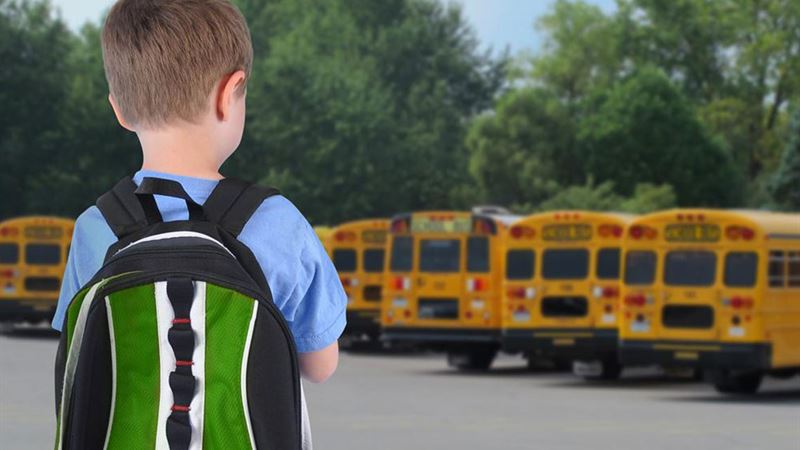
Ensuring the safety and security of students, staff, and visitors is a top priority for any educational institution. Implementing comprehensive safety measures requires a strategic approach that combines trained personnel, advanced technology, and community awareness. This extended guide explores various methods to bolster safety protocols within schools, including establishing dedicated safety teams, leveraging cutting-edge communication tools, and fostering a culture of safety among all school stakeholders. By adopting these practices, schools can create a secure environment conducive to learning and development.
One of the fundamental steps in enhancing school safety is the formation of a dedicated security team. This team should comprise trained personnel who understand their roles and responsibilities thoroughly. They must be equipped with the skills necessary to respond promptly and effectively during emergencies. Regular training sessions should be conducted to keep the team updated on the latest safety procedures, crisis response strategies, and the use of technological tools such as security cameras, alarms, and intercom systems. The team's readiness can significantly reduce response times and mitigate potential risks.
- Developing a Security Infrastructure
- Training and Preparedness of Staff
- Advanced Surveillance and Monitoring Systems
- Encouraging Community Engagement and Awareness
- Regular Safety Drills and Emergency Protocols
Modern technology plays a pivotal role in school safety management. Wireless security cameras, alarm systems, and emergency communication devices provide real-time monitoring and swift alerts in case of incidents. Installing and maintaining high-quality surveillance cameras at strategic points around the campus help detect potential threats early. These cameras can transmit live video feeds to security personnel or authorities, facilitating rapid response. Additionally, integrating alarms that activate during unauthorized access or emergencies can serve as effective deterrents and response tools.
Communication systems are vital for maintaining safety. Schools can utilize various gadgets, including wireless microphones, intercoms, and alert apps, to ensure timely information dissemination. During emergencies, instant alerts to staff, students, and parents can be life-saving. Furthermore, digital platforms allow for efficient reporting of safety concerns and facilitate coordination among security teams, school administrators, and local authorities.
- Leveraging Technology for Real-Time Monitoring
- Establishing Robust Communication Networks
- Training Staff and Students on Safety Procedures
- Creating an Inclusive Safety Culture
- Regular Review and Update of Safety Plans
Building awareness is equally important. All school community members, including teachers, staff, students, and parents, should be actively involved in understanding safety protocols. Educational sessions on emergency responses, bullying prevention, and crisis management can empower everyone to act confidently when needed. A transparent and inclusive approach encourages cooperation and vigilance, making it easier to identify and address hazards promptly.
Implementing safety technology and spreading awareness alone are not enough; regular drills and simulations help embed safety routines into daily life. These exercises prepare students and staff to respond effectively during actual emergencies such as fires, natural disasters, or security threats. Frequently reviewing and updating safety procedures ensures the school remains prepared for evolving risks.
In conclusion, creating a secure school environment necessitates a combination of skilled personnel, advanced technological solutions, proactive community engagement, and continuous preparedness efforts. Schools that prioritize safety foster an atmosphere where students can thrive academically and emotionally, knowing they are protected. With deliberate planning and consistent application of these strategies, educational institutions will be better equipped to handle emergencies and prevent incidents before they escalate, securing a bright and safe future for all.
In summary, this comprehensive guide emphasizes the importance of establishing dedicated safety teams, utilizing modern surveillance and communication technology, raising awareness among the school community, and conducting regular safety drills. These integrated approaches empower schools to foster a culture of safety, ensuring a secure environment where learning can flourish without fear.
