
Essential Guide to Safe Bee Nest Removal and Prevention Strategies
Learn comprehensive strategies for safely removing bee nests. This guide emphasizes humane techniques, safety precautions, and prevention tips to handle bee infestations responsibly, ensuring safety and environmental preservation. Discover how to identify entry points, find skilled removal services, and prevent future invasions while protecting these vital pollinators for ecological health.
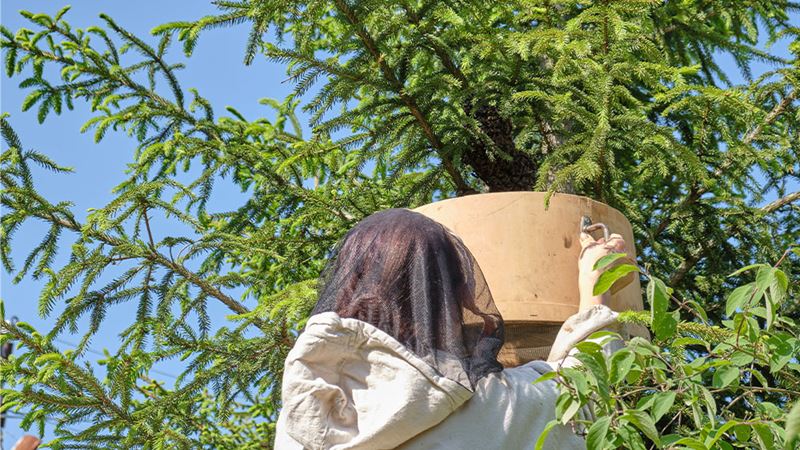
Dealing with bee nests requires careful planning and knowledgeable handling to ensure safety and the well-being of the bees. Whether you're facing a hive within your property or nearby, understanding the proper procedures is crucial. This comprehensive guide covers safety tips, removal techniques, and prevention measures to help you handle bee infestations responsibly and effectively.
Prioritize Safety First
Protect yourself, your family, and pets by establishing a safe perimeter around the hive site. Keep children and animals away from the area to prevent accidental stings or disturbances that could provoke defensive behavior from bees.
Avoid Chemical Pesticides
Do not use chemical sprays or pesticides to eliminate bee colonies. These substances can harm the bees unnecessarily and may pose health risks to humans and pets. Instead, opt for humane removal or contact professional beekeepers who specialize in safe hive relocation. Recognizing that honey bees are increasingly endangered, conservation efforts emphasize preserving rather than destroying their populations.
Handle the Hive Gently
Avoid disturbing or striking the hive by sticks or stones, as this can trigger aggressive stinging responses. Bees are generally protective of their nests and can become highly defensive when threatened, so gentle and deliberate actions are essential.
Identify Entry Points and Entry Management
If bees have nested inside your home or a building, locating points of entry is vital. Carefully observe where bees are entering or leaving the nest. Do not block these access points abruptly, as this can cause the bees to spread into other areas of your property, complicating removal efforts.
Consult Local Expert Services
Because bee removal can be complex and requires specialized knowledge, it’s best to contact professionals. Local beekeepers or pest management services employ safe techniques to relocate hives, reducing harm to the bees and ensuring human safety. Do some research to find certified experts in your area who can assist with humane removal.
- Most beekeepers deal exclusively with honey bees and not wasps or yellow jackets. Sending images for confirmation can be helpful if you are unsure of the species.
- Many local authorities and organizations offer free or affordable bee hive removal services—check with your municipal offices or environmental groups.
- Be patient when waiting for professional assistance; these specialists often have schedules, but prompt communication about hive movement or abandonment helps streamline the process.
- Always inquire about methods used, especially concerning pesticide application, and confirm whether the bees will be unharmed or relocated safely.
Finding Reputable Bee Removal Services
To locate trusted professionals, consider reaching out to local beekeepers, farmers, or honey suppliers who have connections with licensed bird and pest control experts. Many beekeepers are happy to assist with hive removal, often free of charge or at minimal fees, particularly if it involves the preservation of local bee populations.
When engaging a bee removal service, clarify the procedure involved, fees, and the estimated timeframe. Avoid services that rely on harmful pesticides or quick fixes that may endanger the bees or residents.
Additionally, some communities offer volunteer programs for hive relocation, emphasizing ecological conservation. Remember that a moving bee hive can sometimes be temporary; if the swarm departs on its own or the hive is moved to a safe location, this is often the best outcome.
Prevent Future Bee Encounters
To minimize the chances of bee nests appearing on your property, proactive prevention is essential. While no method guarantees complete protection, following these steps significantly reduces risks.
- Seal potential entry points such as cracks, holes, and gaps in building exteriors using high-quality expandable foam or caulking to limit access for bees and other pests.
- Inspect and repair any damaged or decaying woodwork, especially in flooring, soffits, and eaves, to eliminate possible nesting cavities.
- Use deterrent sprays or scents that discourage scout bees from scouting your property. These can include natural repellents like peppermint oil or commercial bee deterrent products.
- Maintain a tidy yard by removing clutter, old equipment, and debris that could provide shelter for bees looking for nesting sites.
- Remove old honeycomb remnants and honey deposits that can attract new swarms, as their pheromones can signal suitable nesting locations to incoming bees.
Most bee swarms are temporary. They tend to leave within a few days, especially if disturbed or if their nesting site is unsuitable. If the hive is located away from human activity, the best approach may be to leave the bees undisturbed until they naturally vacate the area. During this period, observe from a safe distance and enjoy witnessing one of nature’s incredible architectural feats. However, if safety concerns arise, seek professional help promptly.
Ultimately, handling bee nests responsibly involves respecting these essential pollinators and employing humane, environmentally friendly removal techniques. Prevention, timely intervention, and expert guidance are key factors for coexistence and conservation of bee populations.