
Comprehensive Guide to Effective Septic System Care and Maintenance
This comprehensive guide offers detailed insights into septic system maintenance, including inspection routines, pumping schedules, and household practices. Proper care ensures system longevity, prevents environmental contamination, and saves costs by avoiding major repairs. Learn how to effectively monitor your septic's health, manage water usage smartly, and protect your drain field from damage, fostering sustainable household waste management and environmental safety.
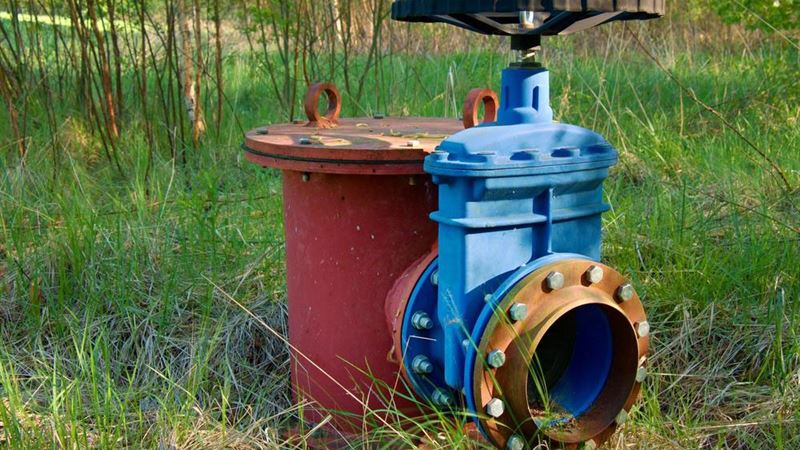
Understanding the Drain Field
The drain field is a crucial component of your septic system, serving as the designated area where processed wastewater naturally returns to the environment. This section consists of a network of pipes laid out in gravel-filled trenches, designed to facilitate the safe and efficient dispersion of treated effluent into the surrounding soil. Typically situated underground, the drain field plays an essential role in preventing pollution and promoting environmental health. Proper maintenance of this area ensures the longevity and optimal functioning of your entire septic system.
The Importance of Regular Septic System Maintenance
Maintaining your septic system is vital not just for household convenience but also for safeguarding local water sources and land quality. Proper upkeep minimizes the risk of system failure, costly repairs, and environmental hazards caused by leaks or backups. Regular service checks help detect early signs of problems, enabling timely interventions that preserve the health of your septic system. Additionally, responsible management of your system contributes to community health by preventing contamination of groundwater and nearby waterways.
Scheduled Inspections and Monitoring
Engaging professional septic service providers for periodic inspections is one of the most effective ways to maintain system integrity. Generally, it’s recommended to arrange for an annual check-up where a technician assesses the condition of the tank, sludge layers, and scum buildup. During these inspections, the technician measures the depths of sludge and scum layers relative to the outlet pipe. If the sludge at the bottom surpasses 12 inches or the scum layer gets within six inches of the outlet, pumping becomes necessary to prevent blockages or overflows.
Beyond scheduled inspections, vigilance is key. If you notice foul odors around the septic area, gurgling sounds in plumbing, slow-draining fixtures, or seepage onto the surface, immediate professional assessment is crucial. Prompt attention to these warning signs can avert major system failures and environmental issues.
Pumping and System Overhaul
The septic tank should be pumped out every three to five years, depending on usage rates and tank size. Regular pumping removes accumulated sludge and scum, maintaining the system’s ability to process wastewater effectively. This routine service prevents solids from entering the drain field, which can cause clogging and damage. Scheduling professional pumping services ensures thorough cleaning and inspection, prolonging the lifespan of your septic system.
Best Practices for Maintaining Septic System Health
Since all household wastewater flows into the septic tank, managing water consumption is essential to prevent system overload. An average family of three produces about 300 gallons of wastewater daily; exceeding this capacity could strain the system. Implementing simple adjustments in daily habits can significantly improve system performance:
- Upgrade old, inefficient toilets to newer models that use less water, reducing demand on the septic system.
- Install flow restrictors such as faucet aerators and shower regulators to minimize water usage.
- Run washing machines with full loads only, avoiding partial fills that waste water and add unnecessary burden on the septic tank.
- Avoid flushing non-degradable solids such as diapers, tissues, cigarette butts, oils, paints, chemicals, and food waste like shells down the toilet.
- Limit the use of chemical drain cleaners, which can harm beneficial bacteria vital for breaking down waste.
- Refrain from disposing of solvents, paints, and harsh cleaners down drains, as these substances can contaminate groundwater and damage bacteria in the septic system.
- Ensure the drain field remains unobstructed by avoiding paving it over or covering with non-permeable materials like concrete or plastic. Grass provides the ideal cover, facilitating air flow and supporting bacterial activity.
- Redirect stormwater runoff from roofs, patios, and paved surfaces away from the septic drain field to prevent flooding and saturation.
- Avoid parking vehicles on the drain field, as heavy weight can compact the soil and damage the piping infrastructure.
In conclusion, consistent application of these best maintenance practices, scheduled inspections, and timely pumping can significantly extend the lifespan of your septic system, ensuring it operates efficiently and protects the environment. Staying vigilant and proactive in septic management is the key to avoiding costly repairs and preserving clean water supplies for your community. Regular professional assessments combined with mindful household practices create a sustainable approach to septic system care, offering peace of mind and safeguarding ecological health for years to come.