
Comprehensive Guide to Choosing the Perfect Footwear for Plantar Fasciitis Relief
Discover comprehensive insights into selecting the best footwear for plantar fasciitis. This guide covers essential features like arch support, shock absorption, and stabilizing devices to help alleviate heel pain and promote healing. Learn about suitable shoe types, advanced soles, and supportive accessories in this detailed article. Incorporate expert tips and recommended products to manage symptoms effectively and regain comfortable foot function. Perfect for those seeking relief from plantar fasciitis, ensuring better mobility and well-being through smart footwear choices.
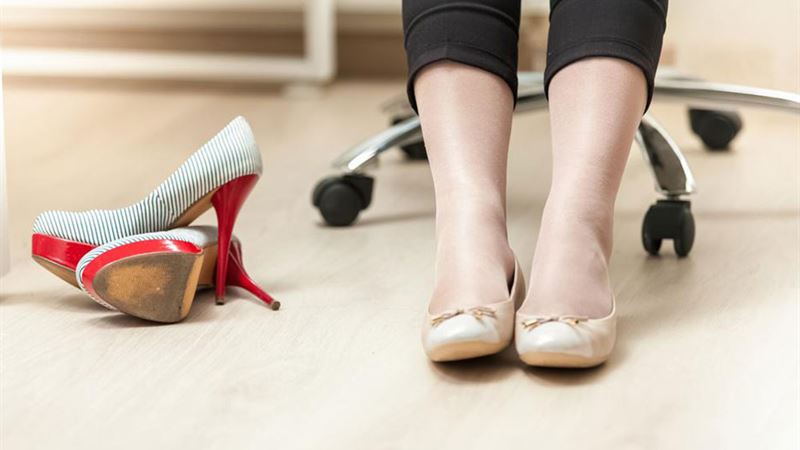
Understanding Plantar Fasciitis: Plantar fasciitis is an inflamed or irritated thick band of tissue, called the plantar fascia, that runs across the bottom of your foot, connecting your heel bone to your toes. This condition results in stabbing heel pain, which can be intense, especially during first steps after waking or periods of rest. Its severity varies, but in most cases, it impacts daily activities and quality of life. Proper footwear is fundamental in reducing strain on the plantar fascia, preventing further injury, and facilitating recovery.
The Role of Footwear in Managing Plantar Fasciitis: The right shoes serve multiple functions in addressing plantar fasciitis. Primarily, they provide arch support to reduce tension on the plantar fascia. Adequate shock absorption minimizes impact forces when walking or running, preventing aggravation of inflammation. Stability features ensure the foot stays aligned during movement, reducing abnormal strain. Shoes that strike a balance between cushioning and firmness are ideal, offering flexibility without sacrificing support.
Key Features to Look for in Footwear: When choosing shoes for plantar fasciitis, prioritize models with excellent arch support, firm midsoles, and sufficient heel cushioning. Avoid footwear that is overly soft or flat, which can exacerbate symptoms. It’s beneficial to select shoes with a gel or foam-based midsole for added shock absorption. Proper fit is essential; shoes should neither be too tight nor too loose to prevent additional pressure and blisters. Breathable materials enhance comfort and reduce moisture buildup that could lead to skin issues.
Types of Shoes Suitable for Plantar Fasciitis: Several footwear options can alleviate plantar fascia discomfort, including orthotic-friendly shoes, athletic trainers, and supportive sandals. Athletic shoes with specialized insoles or compatibility for custom orthotics offer excellent support for active individuals. Casual slip-ons or loafers with reinforced arch support can also be suitable for everyday wear. Consider orthopedic shoes explicitly designed for plantar fasciitis, which incorporate targeted support and stabilization features.
The Benefits of Gel-Based Soles: Shoes equipped with gel-based soles have become increasingly popular because they provide superior cushioning for the arch and heel regions. These soles distribute pressure evenly during movement, reducing stress on inflamed tissues. Gel inserts or full shoe soles with gel technology absorb shocks efficiently, making walking or running more comfortable. This feature is especially beneficial during high-impact activities, helping to mitigate pain and avoid further injury.
Incorporating Night Splints: Night splints are practical devices designed to keep the foot in a dorsiflexed position overnight, preventing the plantar fascia from tightening during sleep. Worn comfortably, these splints reduce morning pain and stiffness, easing the transition into daily activities. They can be adjusted for individual comfort and come in various designs, including soft, rigid, or hybrid forms. Consistent use of night splints, alongside supportive footwear, enhances recovery prospects.
Heel and Arch Support Devices: Devices such as wrap-around soles or heel cups extend support from the ankle to the heel, cradling the foot and stabilizing the arch. These accessories are especially useful for runners and active individuals, providing additional reinforcement during strenuous activities. Proper use of such devices can help maintain the correct foot posture, preventing further strain on the plantar fascia. It's advisable to use these under professional guidance to ensure proper fit and maximum effectiveness.
Additional Tips for Managing Plantar Fasciitis: Alongside choosing appropriate footwear, consider incorporating stretching exercises, ice therapy, and rest into your routine. Avoid prolonged standing and high-impact activities that may worsen symptoms. If necessary, consult a podiatrist for custom orthotics or physical therapy options. Persistent pain may require medical intervention like corticosteroid injections or, in rare cases, surgery. Prioritizing supportive footwear and holistic care allows for effective management and faster recovery.