
Comprehensive Guide to Selecting the Ideal Footwear for Plantar Fasciitis Relief
Discover the ultimate guide to selecting footwear for plantar fasciitis. Learn key tips on fit, toe box space, and heel cushioning to alleviate pain and promote healing. Find out what features to look for in supportive, comfortable shoes to effectively manage your condition and enhance mobility. Perfect for anyone seeking relief and improved foot health, this comprehensive guide offers expert advice on choosing the right footwear tailored to your needs.
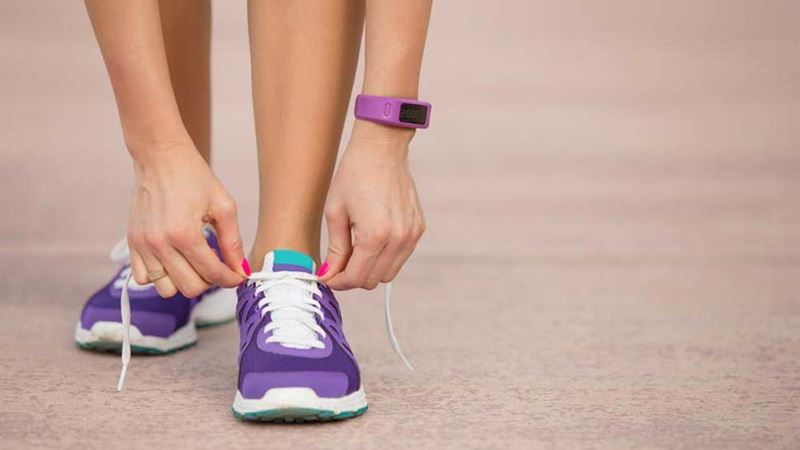
Ensure Proper Shoe Fit for Comfort and Support Proper footwear selection is crucial for managing plantar fasciitis effectively. The foundation of comfortable and therapeutic shoes begins with acquiring the correct shoe size. While it might seem straightforward, determining the perfect fit involves more than just knowing your size—it requires precise measurement and understanding of different brands’ sizing standards. To begin with, measuring your foot accurately is essential, even if it feels awkward or inconvenient. Many people underestimate the importance of fitting shoes to their exact foot length and width, which can significantly affect relief and comfort. Keep in mind that shoe sizes are not standardized across brands; a size 8 in one brand may not fit the same as a size 8 in another, emphasizing the importance of trying shoes on before purchasing or measuring your foot for the most accurate fit. Measuring your foot should be done when you are standing, as it reflects your foot’s length and width under typical weight distribution. Use a ruler or a specialized foot measuring device to get an exact measurement. When trying on shoes, always wear the type of socks you plan to use regularly, as thicker or thinner socks can influence the fit. Investing time in this step can reduce discomfort and ultimately contribute to quicker healing.
Prioritize Adequate Toe Box Space For individuals suffering from plantar fasciitis, foot flexibility and toe mobility are vital components of recovery. A key aspect of choosing the right footwear is ensuring that the toe box is sufficiently wide and spacious. Shoes with narrow toe boxes can restrict toe movement and increase pressure on the forefoot, which exacerbates symptoms. A roomy toe box allows toes to spread naturally and provides the necessary space for stretching and movement. When shopping for shoes, look for models that explicitly mention a wide or extra-wide toe box or try to choose shoes with a more rounded toe shape rather than pointed toes. Ensuring breathability and enough space around your toes not only minimizes pressure but also reduces the risk of developing additional foot issues, such as bunions or corns. Comfort should always be a priority, especially during recovery, because tight-fitting shoes can lead to increased pain and inflammation. Taking time to test the fit by walking around in the store helps determine whether your toes feel unrestrained and supported.
Optimal Heel Cushioning for Pain Reduction Since plantar fasciitis primarily affects the heel, providing ample cushioning in this area is essential. A supportive shoe with well-cushioned heels can absorb the impact during walking, jogging, or even standing for extended periods. Good heel cushioning helps distribute pressure evenly across the bottom of the foot, alleviating stress on the plantar fascia ligament. Shoes with shock-absorbing insoles or capable of accommodating orthotics are highly recommended. When selecting footwear, check for models that offer thicker, softer padding around the heel area, which helps minimize pain and supports natural foot biomechanics. People with plantar fasciitis often experience stiffness, swelling, inflammation, and persistent discomfort at the heel, especially when walking on hard surfaces. The right shoe design, featuring substantial heel cushioning, can significantly reduce these symptoms, promoting faster healing and improved mobility. Remember, the goal is to find a shoe that not only supports the arch but also cushions the impact on the heel throughout daily activities.
Proper footwear, tailored to meet these specific criteria—fit, toe box width, and heel cushioning—can make a substantial difference in alleviating plantar fasciitis symptoms. Combining the right shoes with additional treatments like stretching exercises, physical therapy, and orthotics can accelerate recovery and improve foot health. Take your time in selecting quality footwear designed for comfort, support, and pain relief, as it’s a critical step towards a pain-free life and long-term foot health.