
Effective Strategies for Eliminating Bed Bugs Permanently
Learn comprehensive strategies to eradicate bed bugs permanently. From deep vacuuming and steam cleaning to natural remedies like tea tree oil and freeze treatment, this guide provides detailed methods to keep your home pest-free. Discover how consistent cleaning routines and natural repellents can prevent re-infestation, ensuring a comfortable, pest-free environment. Perfect for homeowners seeking safe, effective, and affordable solutions to bed bug problems, this article covers all essential steps for complete elimination and prevention.
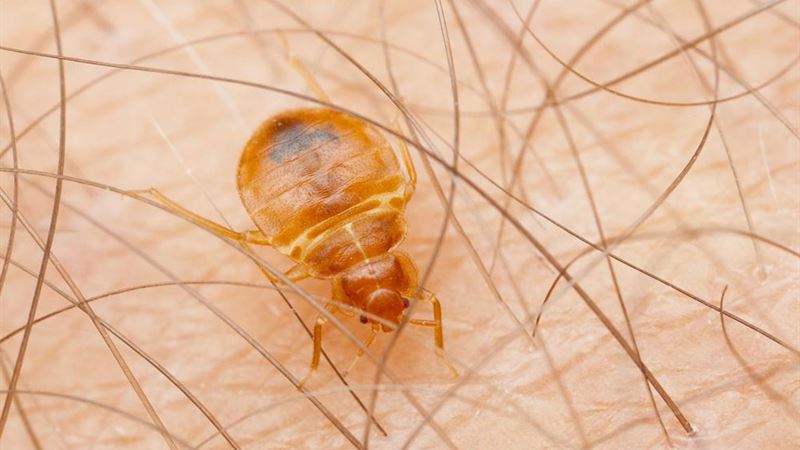
Discovering bed bugs in your living space can be a distressing experience, but it doesn't necessarily reflect poor hygiene or cleanliness. These tiny pests are notorious for their elusive hiding spots and resilience. Usually introduced through travel, secondhand furniture, or visiting infested locations, bed bugs are minute creatures that are difficult to detect with the naked eye. Once they establish themselves, they can quickly become a major nuisance, disrupting your peace and comfort. Fortunately, there are numerous efficient, safe, and affordable methods available to eradicate these pests effectively. This comprehensive guide explores proven techniques to eliminate bed bugs, encompassing both traditional and natural remedies, ensuring your home remains bug-free.
Deep-Cleaning with Vacuum Devices
One of the most straightforward and immediate methods to combat bed bug infestations is diligent vacuuming. Contrary to popular belief, your household vacuum cleaner can serve as an effective tool against these pests when used correctly. To maximize its efficacy, identify and target common hiding spots like mattress seams, edges of furniture, behind picture frames, in cracks along baseboards, under carpets, and behind electrical outlets. Use a vacuum with strong suction power to thoroughly clean these areas, and don't forget to pass over corners, tight crevices, and upholstery cushions.
Before vacuuming, consider employing a stiff-bristled brush to loosen eggs, larvae, and fecal spots adhered to surfaces. This primes the environment for more effective removal. After completing a thorough cleaning session, immediately dispose of the vacuum bag or contents in sealed plastic bags to prevent any surviving pests from escaping back into your home. Repeat this process weekly for at least three to four weeks, as bed bugs often lay eggs that can hatch later, leading to re-infestation if not entirely eliminated.
Additionally, cleanliness alone isn't enough; persistent vacuuming combined with targeted treatments can significantly weaken the pest population, helping you regain control of your environment.
Harnessing High-Temperature Steam Cleaning
Bed bugs are highly sensitive to heat, with temperatures exceeding 60°C (140°F) lethal to them and their eggs. Investing in a high-quality steam cleaner capable of producing dry, high-temperature steam can be an essential weapon in your pest control arsenal. Before applying steam, prepare the area by removing clutter and cleaning the surfaces to be treated. Use a nozzle attachment to direct steam into hidden crevices, mattress seams, behind furniture, and beneath appliances.
Consistently treat each infested area with hot steam, ensuring that penetrations reach every nook and cranny where bed bugs may reside. For maximum impact, repeat the steaming process at least three times, allowing surfaces to dry naturally afterward. The intense heat destroys the pests and their eggs, preventing future breeding. The process is safe for most household surfaces but avoid excessive moisture on wood or upholstery to prevent damage. Regular steaming can be a cost-effective, chemical-free way to rid your home of these stubborn pests.
Natural Repellent: Tea Tree Oil Spray
Tea tree oil is renowned for its strong antimicrobial and insecticidal properties. When used as a natural repellent, it can deter bed bugs from settling in your home while killing those already present. To make a potent spray, mix around 25 drops of tea tree oil in 500 ml of water, then transfer this mixture into a spray bottle. Shake well before each use to ensure proper distribution of the oil.
Spray this solution liberally on infested furniture, mattress edges, and in cracks and crevices where bed bugs are likely hiding. Repeat daily for approximately two weeks to ensure thorough eradication. The powerful aroma of tea tree oil acts as a deterrent to bed bugs, making your environment less attractive to new pests. Additionally, if you experience bites or skin irritation, dabbing a small amount of diluted tea tree oil on affected skin can help soothe redness and itching due to its antiseptic properties.
Washing Bedding and Soft Furnishings in Hot Water
Prevention is crucial in avoiding re-infestation, and clean bedding is a vital part of this process. Regularly wash all bedding, pillowcases, bed sheets, blankets, and mattress covers in hot water—preferably at a temperature of at least 60°C (140°F). This heat treatment kills any live bed bugs, eggs, or larvae that may be attached to fabrics, preventing new generations of pests from emerging.
In addition to washing, consider using a high-heat drying cycle on your dryer to further eradicate residual pests. Keep your bedding materials clean and dry, and avoid bringing infested items into your home. Consistent laundry routines act as both a preventative measure and a means of control, reducing the chances of persistent infestations.
Lavender and Peppermint Oil as Natural Repellents
Essential oils like lavender and peppermint possess strong fragrances that act as natural deterrents for bed bugs. They can also kill some of these pests and their eggs. To prepare an effective spray, combine 15-20 drops each of lavender oil and peppermint oil with a liter of water in a spray bottle. Shake thoroughly before applying to infested areas, focusing on seams, cracks, and shadows where bed bugs hide.
Repeat this application daily or every other day, continuing for at least two weeks. Not only does this approach help in pest reduction, but it also leaves your home smelling fresh, creating a more pleasant environment. The strong scent of these oils can help to repel new pests from entering your living space, offering a natural, eco-friendly alternative to chemical treatments.
Freezing Infested Items for Complete Eradication
Extreme cold is an effective method for killing bed bugs present on small, non-washable items. If you encounter infested objects that cannot be washed easily—such as electronics, plush toys, or certain types of clothing—placing them in a freezer for at least 24 to 72 hours is highly recommended. Maintain the freezer temperature at or below -18°C (0°F); this extreme cold will eliminate all stages of bed bugs, including eggs, larvae, and adults.
Once the freezing process is complete, carefully inspect the items, and if no pests are visible, vacuum or brush off any remaining debris. These items can then be safely returned to your home, free of bed bugs. Regularly freezing infested small items serves as an eco-friendly, chemical-free solution, especially useful in sensitive environments such as homes with children or pets.
In conclusion, a combination of thorough cleaning, targeted heat treatments, natural repellents, and careful preventative practices can effectively eliminate bed bugs. Persistence and regular monitoring are key to success. Remember that in cases of severe infestation, contacting professional pest control services may be the most effective way to ensure complete eradication and safeguard your home environment.