
Essential Nutrients and Dietary Choices for Maintaining Healthy Vision
This comprehensive guide highlights key nutrients essential for eye health, including vitamin A, vitamin C, omega-3 fatty acids, and zinc. It details their role in preserving vision and suggests rich dietary sources such as colorful vegetables, fruits, fish, and nuts. The article emphasizes the importance of a balanced diet, healthy lifestyle, and protective measures to prevent common eye conditions like cataracts, dry eyes, and age-related degeneration, promoting long-term eye vitality.
Vitamin A: The Cornerstone of Eye Health
Vitamin A is vital for maintaining the integrity of the light-sensing cells in our retinas. It is essential for proper vision, especially in low-light situations. A deficiency in vitamin A can lead to dryness of the eyes, impaired vision, and even complete blindness in severe cases. Ensuring adequate intake through diet is crucial for eye health maintenance.
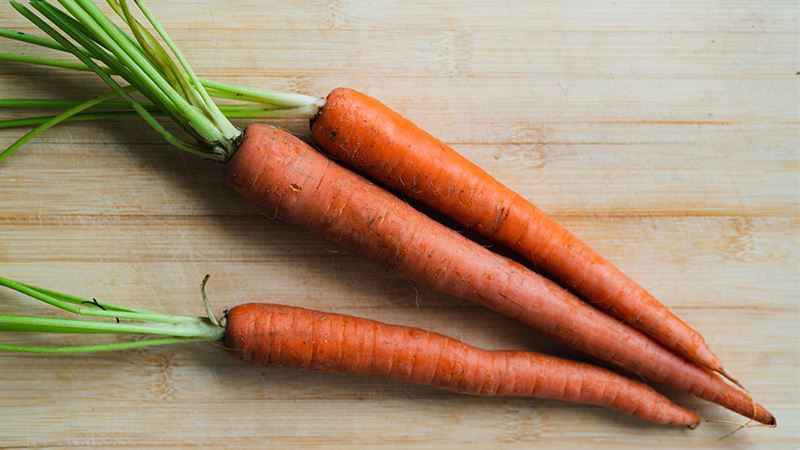
Foods Rich in Vitamin A: To boost your vitamin A levels, incorporate a variety of colorful foods such as apricots, carrots, spinach, sweet potatoes, and yams. These foods contain beta-carotene, a precursor to vitamin A, which the body converts into the active form needed for eye health.
Vitamin C: Protecting Against Oxidative Damage
Vitamin C is a potent antioxidant that protects the eyes from damage caused by free radicals. It is present in high concentrations in the aqueous humor—the fluid filling the front part of the eye—and helps preserve transparency and function. Maintaining adequate vitamin C levels can reduce the risk of cataracts and age-related macular degeneration.
Sources of Vitamin C: Citrus fruits such as oranges, grapefruits, kiwi, and strawberries are excellent sources of vitamin C. Vegetables like broccoli, Brussels sprouts, bell peppers, and kale also contribute significantly to your daily intake.
Omega-3 Fatty Acids: Crucial for Retinal and Visual Function
Omega-3 fatty acids, particularly EPA and DHA, are fundamental for maintaining healthy eyes. DHA is predominantly found in the retina, where it supports visual signal processing and overall eye structure. These fatty acids also promote proper development in children’s eyes and brain. Evidence suggests that omega-3 supplements can offer relief for individuals suffering from dry eyes and other ocular surface issues.
Sources of Omega-3 Fats: Fatty fish such as salmon, mackerel, sardines, and tuna are the richest sources. For those preferring plant-based options, flaxseeds, chia seeds, walnuts, and hemp seeds are excellent alternatives that supply alpha-linolenic acid (ALA), a precursor to DHA and EPA.
Zinc: Supporting Retinal Health and Vision
Zinc plays a vital role in the functioning of the immune system and is critically involved in maintaining eye health. It is a component of enzymes that protect ocular tissues from oxidative stress and is essential for forming visual pigments in the retina. A deficiency in zinc can lead to night blindness and increase the risk of age-related degenerative eye diseases.
Sources of Zinc: To ensure sufficient zinc intake, include foods like oysters, crab, lean meats, pumpkin seeds, yogurt, chickpeas, and lentils in your diet. Nuts such as almonds and peanuts, as well as whole grains like wheat germ and oats, also provide beneficial amounts of zinc.
Maintaining good eye health extends beyond dietary choices. Combining a nutritious diet with regular exercise, protecting your eyes from excessive sunlight, avoiding smoking, and managing health conditions like diabetes can significantly impact your vision longevity. Remember, a holistic approach to health supports your eyes as well as your overall well-being.