
Understanding the Major Causes of Blepharitis: Symptoms, Risks, and Prevention
Blepharitis, an inflammation of the eyelids, is mainly caused by dry eyes, allergies, clogged oil glands, and skin conditions like rosacea. Proper diagnosis and treatment involve eyelid hygiene, managing allergies, and addressing underlying issues. Regular eye checkups and lifestyle modifications can prevent persistent discomfort and complications. Knowing the causes helps in early intervention, reducing symptoms and improving eye health. This comprehensive guide provides insights into symptoms, causes, prevention, and effective management strategies for blepharitis, ensuring better eye comfort and health maintenance.
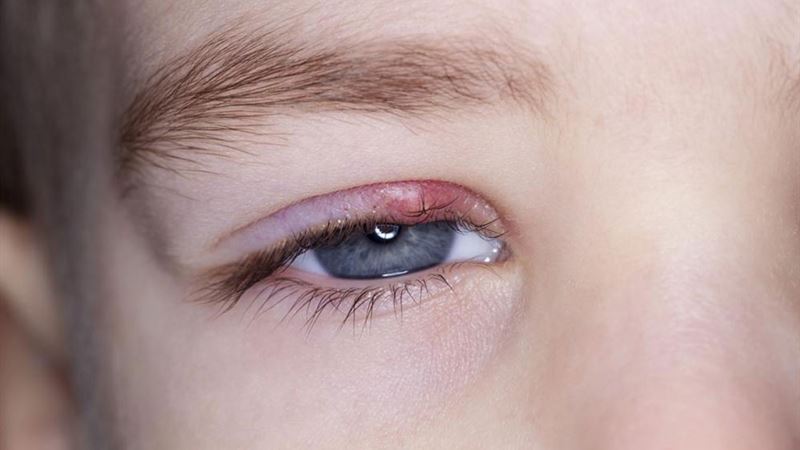
Blepharitis is a common but often misunderstood eye condition characterized by inflammation of the eyelids. Its causes are diverse, and sometimes the exact origin remains unclear. The condition can manifest acutely, with ulcerative and non-ulcerative forms, or develop gradually over time. Understanding the factors that contribute to blepharitis is essential for effective management and prevention. This detailed guide explores the most prevalent causes of blepharitis, including dry eyes, allergies, blocked oil glands, and skin conditions like rosacea. It also offers insights into diagnosing, treating, and preventing this often persistent eye issue.
1. Dry Eyes and Their Role in Blepharitis
One of the leading causes linked to blepharitis is dry eye syndrome. When the eyes lack adequate moisture, the natural protective barrier of the ocular surface weakens, creating an environment conducive to bacterial overgrowth. This imbalance can trigger inflammation of the eyelids, resulting in blepharitis. People who spend long hours in air-conditioned or heated environments, or those who frequently use screens, often experience dry eyes, which may escalate the risk of developing eyelid inflammation. Symptoms such as burning, itching, and gritty sensation are common and often accompanied by redness and swelling around the eyelids. Addressing dry eyes through lifestyle adjustments, artificial tears, and proper eyelid hygiene can significantly reduce the risk of blepharitis.
2. The Impact of Eye Allergies
Allergic reactions to environmental allergens like pollen, dust, pet dander, or certain chemicals can inflame the eyes and eyelids, leading to allergic blepharitis. These reactions cause the blood vessels in the eyelids to dilate and the tissue to become swollen and red. Frequent or prolonged allergy episodes can compromise the integrity of the eyelid margins, making them more susceptible to secondary bacterial infections. People with a history of hay fever or allergic conjunctivitis should be vigilant about eyelid care and allergy management. Using antihistamines, cold compresses, and avoiding known allergens are effective strategies to prevent recurring episodes of blepharitis related to allergies.
3. Clogged and Dysfunctional Oil Glands
The eyelids contain specialized oil-producing glands called Meibomian glands, which secrete oils essential for maintaining tear film stability and eye comfort. When these glands become blocked or their function diminishes, the eyelids start to accumulate debris and bacteria, fostering infection and inflammation. This condition, known as meibomian gland dysfunction, is a leading contributor to chronic blepharitis. Factors such as rosacea, skin conditions, or poor eyelid hygiene can predispose individuals to gland blockage. Regular eyelid cleansing and warm compresses are beneficial for unclogging these glands and alleviating symptoms.
4. Rosacea and Its Connection to Blepharitis
Rosacea is a chronic skin disorder characterized by facial redness, acne-like bumps, and visible blood vessels. Although primarily a skin condition, rosacea has been linked to ocular issues, including blepharitis. The inflammation associated with rosacea can extend to the eyelids, causing meibomian gland malfunction and eyelid inflammation. While research is still emerging, many patients with rosacea report experiencing blepharitis symptoms. Managing rosacea effectively with medications and skincare routines may help reduce the occurrence of eyelid inflammation.
Proper diagnosis of blepharitis involves a comprehensive eye examination and thorough review of medical history. An ophthalmologist or optometrist will assess symptoms, examine the eyelid margins, and may perform additional tests to identify underlying causes. Treatment strategies focus on alleviating symptoms, controlling infections, and addressing root causes. This includes meticulous eyelid hygiene, warm compresses, topical or oral antibiotics, and avoiding eye irritants like makeup and contact lenses during flare-ups. Maintaining eyelid health through good hygiene and prompt treatment can prevent complications and improve quality of life for those affected by blepharitis.