
Essential Guide to Establishing a Profitable Solar Power Plant
Learn everything about setting up a profitable solar farm, from researching the market and site selection to permits, costs, and maintenance strategies. This comprehensive guide helps you understand the economic and environmental benefits of solar energy investments and how to successfully launch and operate your solar power plant for sustainable profits.
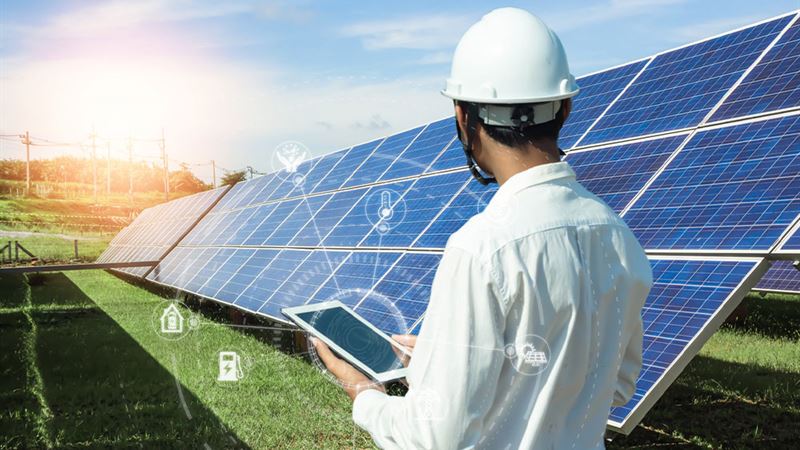
- Conduct Thorough Research Before venturing into the solar energy business, it's crucial to understand your target market and the geographical area you intend to serve. This includes identifying whether your primary consumers will be rural communities, urban centers, educational institutions, or corporate clients. An additional step involves analyzing the electric utility companies operating in your area to gauge potential partnerships or regulatory requirements, as well as scrutinizing existing competitors to carve out your unique market position.
- Create a Comprehensive Business Strategy Based on your research, develop a detailed business plan that outlines your objectives, financial projections, and operational strategies. This roadmap will serve as your guide, helping you align resources, set achievable milestones, and prepare for potential challenges. A well-structured business plan is also instrumental in attracting investors and securing funding.
- Legal Formation and Brand Development Register your solar farm business as a legal entity, such as a limited liability company (LLC), partnership, or corporation, ensuring compliance with local, state, and federal laws. Establishing a strong brand presence is just as important—create a professional website, leverage social media platforms, and develop marketing materials to reach your target audience effectively and establish credibility in the industry.
- Select an Ideal Site Choosing the right location is pivotal to the success of your solar farm. Factors to consider include zoning laws, land availability, sun exposure, topography, and proximity to existing infrastructure. Conduct site assessments to evaluate land suitability and potential environmental constraints to ensure your installation maximizes energy generation.
- Secure Necessary Permits and Approvals Launching a solar farm requires obtaining various permits and licenses, which vary according to jurisdiction. Engage with local authorities early to understand the application process and comply with regulations related to land use, environmental impact, and electrical connections. Proper legal clearance is essential for smooth operations and avoiding future complications.
- Secure Insurance Coverage Protect your investment through comprehensive insurance policies. This includes liability coverage to safeguard against legal claims, property insurance to cover damages or losses to solar equipment, and specialized policies addressing environmental risks. Adequate coverage ensures business continuity and peace of mind.
- Partner with Experienced Solar Contractors Professional installation is critical to achieving optimal performance. Collaborate with reputable solar installation companies known for quality workmanship, safety standards, and timely execution. Evaluate past projects and client reviews to select the best partners for your project.
- Implement a Maintenance and Monitoring System Continuously maintaining your solar panels is vital to ensuring consistent energy output. Develop a routine maintenance schedule aligned with manufacturer recommendations, including inspections, cleaning, and repairs. Employ monitoring systems to track performance metrics, detect issues early, and optimize efficiency over the lifespan of your solar farm.
- Landowners can earn more from solar farm projects than traditional farming practices.
- The return on investment (ROI) for solar farms is impressive when considering energy savings, minimal maintenance costs, and long-term reliability. Various financing options are available to boost profitability.
- Modern solar panels often feature tracking systems that follow the sun’s path to maximize energy capture and output.
- Adding a solar farm to your investment portfolio diversifies income sources and enhances financial stability.
- In regions with abundant sunlight, solar farms can produce electricity consistently all year, ensuring continuous revenue.
- The worldwide growth of the solar industry and increasing corporate sustainability commitments make solar investments increasingly attractive.
Why Should You Invest in a Solar Power Plant? Investing in solar power facilities presents numerous environmental and economic benefits, making it a compelling business opportunity. Solar farms are a practical means of significantly reducing carbon emissions, thereby combating climate change. Unlike traditional energy sources, solar energy is renewable and environmentally friendly, eliminating risks of oil spills and hazardous waste. Additionally, solar farms can generate substantial income, offer high returns, and provide reliable, year-round power in sunny regions. As the global push for sustainable energy increases, the solar industry continues to flourish, attracting investors worldwide.
What Are the Typical Costs of Solar Farm Development? The expense involved in establishing a solar farm generally ranges from $0.89 to $1.01 per watt. For a 1 megawatt (MW) facility, this translates to an investment between $890,000 and $1.01 million. The costs encompass equipment such as inverters, transformers, mounting structures, wiring, and permits. Land costs per acre typically fall between $400,000 and $500,000, factoring in environmental assessments, connection infrastructure, and construction expenses. Variable costs, including labor and supply chain logistics, can vary based on location. Don’t forget to add approximately 20% for applicable sales taxes. For large-scale commercial projects, a minimum of 5 acres is recommended; smaller installations of around 2 acres can suffice for individual or community needs.
Many existing solar farms are available for purchase online, some with all permits in place, making acquisition straightforward. Alternatively, you can buy undeveloped land suitable for solar installation, according to your specifications. To power your residence via solar energy, searching locally with terms like "solar farms near me" can connect you directly with nearby facilities, allowing consultations on energy costs, efficiency, and potential savings for your household.