
The Crucial Role of Nutrition in Managing Sickle Cell Anemia: An In-Depth Guide
Explore the vital role of nutrition in managing sickle cell anemia, highlighting essential nutrients, dietary strategies, hydration tips, and the importance of personalized medical consultation. Learn how a tailored diet can help reduce symptoms and improve patient well-being.
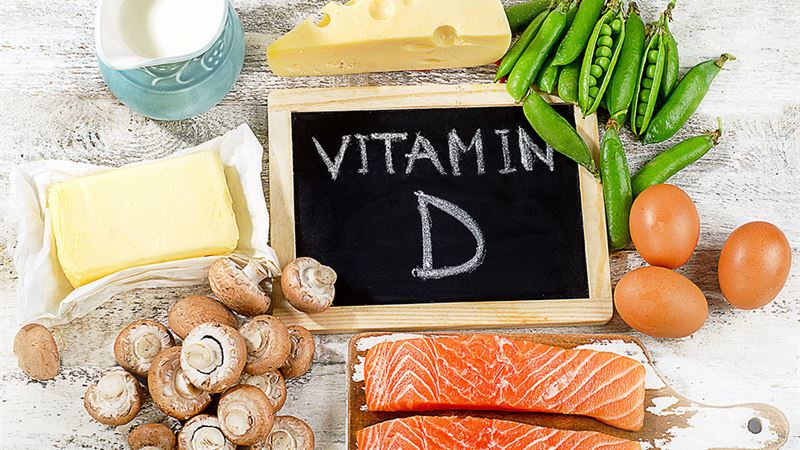
Proper nutrition is essential for individuals living with sickle cell anemia, as it can significantly influence the severity of symptoms, overall health, and quality of life. While medical treatments are vital, dietary strategies serve as supportive measures that can help manage complications and promote better health outcomes. In this comprehensive guide, we explore the critical nutrients that benefit sickle cell patients, effective dietary habits, hydration strategies, and the importance of consulting healthcare professionals for personalized nutritional plans.
Understanding Sickle Cell Anemia and Its Nutritional Challenges
Sickle cell anemia is a hereditary blood disorder characterized by the production of abnormal hemoglobin, which causes red blood cells to assume a sickle or crescent shape. These misshapen cells can block blood flow, leading to pain episodes, organ damage, and increased risk of infection. Managing this condition requires a multifaceted approach, with nutrition playing a key supportive role. Patients often face nutritional challenges such as increased metabolic demands, risk of nutrient deficiencies, and dehydration. Addressing these issues through tailored nutritional strategies can alleviate symptoms, reduce complications, and enhance overall wellness.
Essential Nutrients for Sickle Cell Management
Several nutrients are particularly beneficial for individuals with sickle cell anemia. Ensuring adequate intake of these nutrients can help improve red blood cell production, reduce sickling episodes, and bolster the immune system. The following sections detail key dietary components:
Complex Carbohydrates and Whole Grains
Whole grains like brown rice, oats, barley, and cereals are rich in B-vitamins, magnesium, folate, and selenium. These nutrients support energy production, help in red blood cell synthesis, and protect against oxidative stress. Incorporating these foods into daily meals provides sustained energy and vital nutrients essential for managing sickle cell symptoms.
Calcium and Vitamin D-Rich Dairy Products
Milk, cheese, and yogurt are excellent sources of calcium and vitamin D, which are critical for maintaining healthy bones. Bone complications are common among sickle cell patients, making adequate calcium and vitamin D intake vital for preventing osteoporosis and ensuring structural integrity.
Healthy Fats from Vegetable Oils and Nuts
Sources like olive oil, sunflower oil, and certain nut oils contain vitamin E and essential fatty acids. These fats possess antioxidant properties that can reduce cell damage and inflammation, thereby potentially decreasing sickling episodes.
Protein-Rich Foods: Meats, Nuts, Seeds, and Legumes
High-quality protein is fundamental for red blood cell production and repair. Lean meats, chicken, fish, nuts, seeds, and beans are excellent sources of zinc, iron, and other nutrients involved in hemoglobin synthesis and immune function.
Vibrant Fruits and Green Leafy Vegetables
Fresh fruits and leafy greens such as spinach, kale, and collards are packed with vitamin A, vitamin C, folate, and dietary fiber. These nutrients support immune health, aid in cell repair, and improve digestive health, which can help mitigate some of the challenges faced by sickle cell patients.
Optimizing Calorie Intake for Energy and Health
Sickle cell anemia increases metabolic rate, leading to higher caloric requirements. Adequate calorie intake is essential to prevent weight loss, support growth and repair, and maintain energy levels. Here are strategies to boost daily caloric consumption:
- Consume three balanced meals daily complemented by nutritious snacks between meals.
- Enhance dishes with sauces, gravies, and flavorful dressings to increase calorie density.
- Load salads with energy-dense ingredients like beans, cheese, nuts, and seeds.
- Cook vegetables and meats in healthy oils to add extra calories and healthy fats.
- Incorporate soups and sauces made with powdered milk or cream to increase calorie content.
- Include nutrient-dense foods like avocados, full-fat dairy, and nuts regularly.
- Replace sugary beverages with whole milk, natural fruit juices, and smoothies to sustain energy levels.
Maintaining Proper Hydration
Dehydration is a significant trigger for sickling of red blood cells, which can lead to pain crises and other complications. Adequate hydration helps keep blood viscosity low, facilitating better flow and reducing sickling episodes. Patients are advised to drink plenty of water throughout the day, especially during hot weather, physical activity, or illness. Limiting caffeinated and sugary drinks in favor of water, herbal teas, and natural fruit juices supports optimal hydration.
The Importance of Personalized Medical Guidance
While nutritional strategies can greatly benefit those with sickle cell anemia, individual needs vary. It is crucial to consult healthcare providers before making significant dietary changes. Medical professionals can assess nutritional status, identify specific deficiencies, and develop customized dietary plans that complement ongoing treatments. Regular follow-ups ensure that nutritional interventions are effective and safe, ultimately improving patient outcomes.
Additional Recommendations for Better Management
Beyond diet, maintaining a healthy lifestyle contributes to managing sickle cell anemia:
- Engage in moderate exercise to promote circulation but avoid strenuous activity that can cause dehydration or fatigue.
- Avoid environmental triggers such as extreme cold or high altitudes that can exacerbate symptoms.
- Ensure adequate rest and stress management techniques to support overall health.
- Stay up-to-date with vaccinations and routine health checkups to prevent infections.
Summary and Final Thoughts
Optimized nutrition can play a pivotal role in managing sickle cell anemia by enhancing immune function, reducing the frequency of sickling episodes, and improving overall quality of life. Emphasizing nutrient-rich foods, maintaining hydration, and seeking personalized medical guidance are cornerstones of effective management. With comprehensive care and dietary support, individuals with sickle cell disease can achieve better health outcomes and a more active, comfortable life.
Embracing a well-balanced, nutrient-dense diet tailored to individual needs, combined with proper hydration and medical oversight, offers hope for improved management of sickle cell anemia. Educating patients and caregivers about the importance of nutrition can lead to proactive health practices and a reduction in disease-related complications.