
Understanding Atrial Fibrillation: Symptoms, Diagnosis, and Advanced Treatment Options
This comprehensive guide covers atrial fibrillation's causes, symptoms, types, diagnostic procedures, and advanced treatments like cardioversion and ablation. Emphasizing early detection and personalized management strategies, it aims to improve patient outcomes and quality of life by explaining lifestyle changes, medication options, and innovative procedures to control this common heart rhythm disorder.
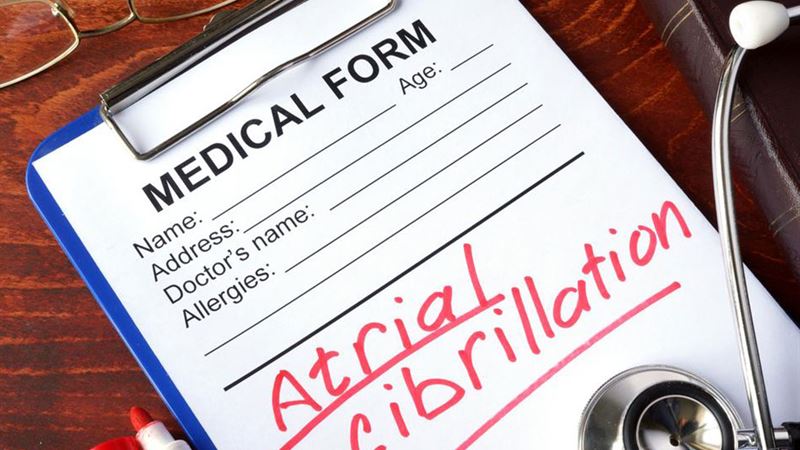
Atrial fibrillation (AFib) is a common and potentially serious heart rhythm disorder characterized by irregular and often rapid heartbeats. It affects millions worldwide, with a significant number of cases diagnosed each year in the United States alone. The condition not only disturbs normal heart function but also increases the risk of stroke, heart failure, and other cardiovascular complications. Understanding its causes, symptoms, diagnostic procedures, and treatment options is crucial for effective management and improved quality of life.
AFib occurs when the electrical signals in the atria (upper chambers of the heart) become disorganized, causing the heart to beat irregularly and inefficiently. This chaotic heartbeat can lead to inadequate blood flow and other health issues. The precise causes of atrial fibrillation are multifactorial, including age-related changes, high blood pressure, coronary artery disease, heart valve issues, thyroid problems, and lifestyle factors such as excessive alcohol consumption and stress.
Research indicates that atrial fibrillation affects over 2.7 million Americans, with new cases repeatedly being diagnosed annually. Despite its prevalence, many individuals remain unaware they have AFib because it often presents with mild or no symptoms. Early detection is vital to prevent complications, especially stroke, which is a major concern associated with AFib.
Recognizing Symptoms of Atrial Fibrillation
Although some patients with AFib are asymptomatic, many experience noticeable symptoms that can serve as warning signs. Early detection relies heavily on awareness and regular health check-ups, especially for those in high-risk groups. The common symptoms include:
- Irregular or rapid heartbeat (palpitations)
- Unexplained fatigue or exhaustion
- Persistent weakness and reduced stamina
- Dizziness or sensations of lightheadedness
- Chest discomfort or pain
- Confusion or difficulty concentrating
- Fainting spells (syncope)
- Shortness of breath during physical exertion or emotional stress
Monitoring your heartbeat regularly, either through medical examination or self-assessment, plays a critical role in detecting AFib. If you notice irregularities or find it challenging to determine your pulse's regularity, consult a healthcare professional promptly. Devices such as handheld electrocardiogram (ECG) monitors or affordable stethoscopes can assist in monitoring.
Types of Atrial Fibrillation
Understanding the classification of AFib helps to tailor treatment strategies effectively. There are three primary types:
- Paroxysmal AFib – Episodes that start suddenly and resolve on their own or with treatment within seven days. These episodes can be sporadic or recurring.
- Persistent AFib – Longer-lasting episodes that last beyond seven days and usually require medical intervention to restore normal rhythm.
- Permanent AFib – A state where both patient and physician decide to accept the irregular rhythm, with no efforts to restore normal sinus rhythm. Adjustments focus on managing symptoms and reducing associated risks.
Modern Approaches to Diagnose and Treat AFib
The management of atrial fibrillation involves a comprehensive assessment and tailored treatment plans. Diagnosis typically employs tools such as electrocardiograms (ECG), Holter monitors, or patient-activated event recorders, which capture abnormal heart activity over time. Physical examinations help identify underlying conditions contributing to AFib.
Treatment aims to restore and maintain normal heart rhythm, control the heart rate, prevent blood clots, and reduce stroke risk. Strategies include lifestyle modifications, medication management, and advanced procedures.
Lifestyle Changes and Medical Therapy
- Adopting a heart-healthy diet rich in fruits, vegetables, whole grains, lean proteins, and reducing salt intake
- Engaging in regular exercise tailored to individual capacity
- Managing hypertension, diabetes, and thyroid issues effectively
- Limiting alcohol, caffeine, and stimulant consumption
- Avoiding smoking and reducing stress through relaxation techniques
Medications play a pivotal role in AFib management. Anticoagulants or blood thinners are prescribed to prevent strokes, especially in patients with additional risk factors. Rate control drugs such as beta-blockers or calcium channel blockers help regulate heart rate, while anti-arrhythmic medications assist in maintaining normal rhythm. However, medication efficacy varies, and some patients might experience adverse effects, necessitating alternative interventions.
Advanced Interventional Treatments
- Electrical cardioversion – This procedure delivers a controlled electric shock to the heart, aiming to reset its rhythm. It has a high initial success rate (>95%), but recurrence within one to two years is common. Post-procedure, medications are often prescribed to maintain sinus rhythm.
- Pharmacological cardioversion – Utilizes anti-arrhythmic drugs to restore normal rhythm, often following detailed tests like transesophageal echocardiography to rule out blood clots.
- Catheter ablation – A minimally invasive procedure that targets specific areas in the atria responsible for abnormal electrical signals, effectively reducing or eliminating episodes of AFib with a high success rate.
- Pulmonary vein isolation (PVI) – An advanced ablation technique that focuses on disconnecting the triggers that cause AFib originating from the pulmonary veins.
- Surgical options – Including the Maze procedure, are reserved for persistent AFib cases unresponsive to other treatments.
Ongoing research continues to improve these techniques' success rates, and combination therapies often provide the best outcomes. Long-term use of medications is common to prevent recurrence, though side effects can sometimes complicate treatment plans.
Risks, Complications, and Lifestyle Considerations
While effective, treatments like medications and invasive procedures carry potential risks, including bleeding, infection, or adverse drug reactions. Patients must undergo regular follow-ups to monitor for complications and adjust therapies accordingly.
Additionally, lifestyle habits significantly impact AFib management. Maintaining a healthy weight, controlling blood pressure, reducing stress, and avoiding stimulants can reduce the frequency and severity of episodes.
In summary, understanding atrial fibrillation through its symptoms, diagnostic methods, and comprehensive treatment options is vital for effective management. Advances in medical procedures offer hope for better outcomes, but lifestyle modifications remain a cornerstone of long-term control and prevention.