
Comprehensive Guide to Recognizing and Managing Atrial Fibrillation
This extensive guide on atrial fibrillation covers its causes, symptoms, risks, and an array of modern treatment options. It emphasizes early detection and comprehensive management strategies to prevent severe complications like stroke and heart failure. Learn how lifestyle changes, medications, and advanced procedures can effectively control AFib. Proper understanding and proactive care can significantly improve quality of life for affected individuals, reducing long-term health risks associated with this common but serious heart rhythm disorder.
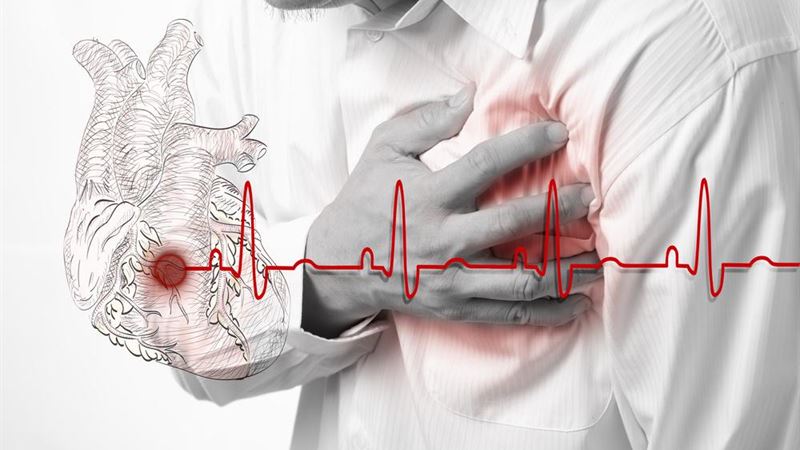
Atrial fibrillation is a type of arrhythmia that originates from abnormal electrical impulses in the atria—the heart's upper chambers. The disorganized electrical activity causes the atria to quiver instead of contracting effectively, leading to irregular blood flow and increased risk of clot formation. The irregular heartbeat can be rapid, sometimes exceeding 100 beats per minute, and can vary in duration from brief episodes to persistent conditions.
This disturbance in normal heart rhythm impacts cardiac efficiency, reducing the amount of oxygen-rich blood circulated throughout the body and increasing the workload on the heart. Over time, AFib can contribute to the development of heart failure, stroke, and other cardiovascular complications.
One of the primary challenges with AFib is that many individuals may not experience noticeable symptoms in the initial stages. However, as the condition progresses, several signs often become apparent. Recognizing these symptoms early can facilitate prompt diagnosis and treatment, significantly reducing the risk of serious complications.
- Irregular Heartbeat (Palpitations): Patients frequently report sensations of a fluttering, pounding, or irregular sensation in the chest. These palpitations can sometimes be subtle, felt more as a skipped beat or a quivering feeling.
- Fainting and Dizziness: A sudden loss of consciousness or near-syncope episodes are common in severe cases, caused by decreased blood flow to the brain. Dizziness, lightheadedness, and weakness can also occur, especially during episodes of rapid heartbeat.
- Breathlessness: Many individuals experience shortness of breath, especially during physical activity or exertion, as the heart struggles to meet the body's oxygen demands.
- Chest Discomfort or Pain: This may result from reduced blood supply to the heart muscle, potentially mimicking angina. The pain can be dull or sharp, often associated with episodes of rapid or irregular heartbeat.
- Fatigue and Weakness: Persistent tiredness or a feeling of exhaustion, even after rest, is common as the heart's inefficient pumping affects overall energy levels.
- Swelling in Lower Limbs: Edema, or fluid accumulation in the ankles, feet, and legs, can develop over time, indicating worsening heart function.
- Increased Risk of Stroke: AFib significantly elevates the chance of blood clots forming in the atria, which can travel to the brain and cause ischemic stroke. Early detection and anticoagulant therapy are critical to mitigate this risk.
Atrial fibrillation can be caused by a variety of factors, often involving structural or electrical abnormalities in the heart. Common causes include hypertension, coronary artery disease, heart valve disorders, hyperthyroidism, and previous heart surgeries. Certain lifestyle habits and genetic predispositions also contribute to its development.
Risk factors for AFib encompass:
- High blood pressure (Hypertension)
- Coronary artery disease and previous heart attacks
- Heart valve diseases like mitral stenosis
- Rheumatic fever
- Congenital heart defects
- Thyroid disorders, especially hyperthyroidism
- Obesity and sedentary lifestyles
- Heavy alcohol consumption and smoking
- Diabetes mellitus
- Family history of atrial fibrillation or other heart conditions
- Ageing, particularly beyond 60 years
Additionally, conditions like sleep apnea and chronic lung diseases can exacerbate the risk, creating a complex interplay of contributing factors.
While AFib itself can be manageable with proper treatment, its potential complications can have severe consequences. These include:
- Stroke: The most significant risk associated with AFib is the formation of blood clots in the atria, which can travel to the brain, causing ischemic strokes. Anticoagulant therapy is essential to prevent this.
- Heart Failure: Persistent irregular rhythm places excessive strain on the heart, potentially weakening cardiac function over time and leading to heart failure.
- Chronic Fatigue and Reduced Quality of Life: Ongoing symptoms may significantly impair daily functioning and mental wellbeing.
- Other Arrhythmias: AFib can predispose individuals to additional arrhythmias, complicating treatment strategies.
Detecting AFib typically involves a combination of medical history assessment, physical examination, and diagnostic tests. The primary tool is the electrocardiogram (ECG), which captures the electrical activity of the heart in real-time and confirms irregular rhythm patterns characteristic of AFib.
For intermittent episodes, doctors might recommend prolonged cardiac monitoring using Holter devices or event recorders. Echocardiography helps evaluate structural heart abnormalities and assess ejection fraction, which indicates heart pumping efficiency.
Managing AFib requires a personalized approach, considering the duration of the condition, symptoms, underlying causes, and patient health status. Treatment options aim to restore normal rhythm, control heart rate, prevent clot formation, and reduce overall risk.
- Medication Therapy: The cornerstone of AFib management involves drugs to control symptoms and prevent complications. These include:
- Anticoagulants (e.g., warfarin, dabigatran, rivaroxaban, apixaban) to prevent blood clots.
- Rate-control medications such as beta-blockers (e.g., metoprolol), calcium channel blockers (e.g., verapamil), and digoxin to slow down the heart rate.
- Rhythm-control agents like amiodarone, flecainide, or propafenone to restore and maintain normal rhythm.
- Electrical Cardioversion: In cases where medications fail to restore normal rhythm, an outpatient procedure involving a carefully synchronized electric shock can reset the heart’s rhythm. This procedure is often effective but may require repeat sessions.
- Catheter Ablation: A minimally invasive procedure where a thin catheter is threaded into the heart via blood vessels. Radiofrequency energy or cryotherapy destroys problematic electrical pathways, aiming to eliminate AFib episodes. Its success rate varies based on individual health and disease progression.
- Surgical Interventions: In persistent or severe cases, procedures like maze surgery can be performed, creating scar tissue to block abnormal electrical signals. These are generally reserved for patients undergoing other cardiac surgeries.
- Managing Underlying Conditions: Effective control of hypertension, heart failure, and thyroid disorders significantly reduces the incidence and severity of AFib.
- Lifestyle Modifications: Patients are encouraged to adopt healthier habits, including weight management, regular moderate exercise, smoking cessation, and limiting alcohol and caffeine intake.
After initial management, long-term follow-up is vital to ensure stability and prevent recurrence. Regular blood tests, ECGs, and clinical evaluations help monitor treatment efficacy and detect potential side effects. Patients should adhere to prescribed medications and report any new or worsening symptoms promptly.
In conclusion, atrial fibrillation is a complex but manageable condition with advances in medical technology and targeted therapies. Early diagnosis, risk factor modification, and personalized treatment plans are crucial for improving patient outcomes and preventing life-threatening complications.