
Effective Strategies and Natural Treatments for Sleep Apnea Relief
Discover comprehensive natural approaches and lifestyle changes to effectively manage and alleviate sleep apnea symptoms. From maintaining a healthy weight, avoiding harmful habits, managing coexisting conditions, to optimizing sleep hygiene, this guide provides practical remedies to improve breathing and sleep quality safely and naturally.
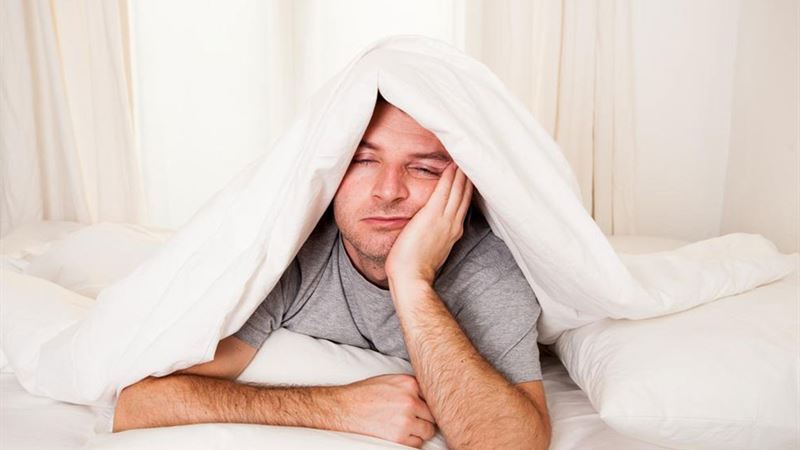
Sleep apnea is a serious sleep disorder characterized by repeated interruptions in breathing during sleep. Individuals experiencing this condition often wake abruptly, gasping for air, which significantly disrupts restorative sleep patterns. These breathing irregularities can manifest through symptoms such as loud snoring, restless nights, persistent fatigue, choking episodes during sleep, and heightened anxiety levels. Addressing sleep apnea requires understanding its causes and seeking appropriate remedies that blend lifestyle adjustments, natural therapies, and professional medical interventions.
The condition is not simply about loud snoring; it poses meaningful health risks that demand urgent attention. It is vital to consult healthcare professionals to develop effective treatment plans and prevent long-term health complications.
Understanding the Risks of Sleep Apnea
Sleep apnea's risk profile extends far beyond sleep disruption. It can contribute to serious health issues such as cardiovascular diseases, insulin resistance leading to diabetes, strokes, obesity, and sexual dysfunction. The repeated pauses in breathing during sleep deprive vital organs, especially the heart, of oxygen, which over time can cause damage. Additionally, interrupted sleep affects cognitive functions, leading to lapses in memory, decreased concentration, and mood disturbances. It also elevates the risk of accidents due to drowsiness and diminishes overall body resilience, making individuals more vulnerable to illnesses like influenza and colds.
Adopting natural remedies and lifestyle changes can significantly mitigate these risks. Let’s explore effective strategies to combat sleep apnea naturally.
Maintaining a Healthy Weight and Overall Wellbeing
A cornerstone in managing sleep apnea naturally is achieving and maintaining a healthy weight. Excess weight contributes to fat accumulation around the neck, constricting airflow and aggravating airway collapse during sleep. Obesity increases the likelihood of airway obstruction, making breathing difficult and leading to snoring and apnea episodes.
If you are overweight, losing a modest 10% of your body weight can dramatically improve your symptoms. This reduction alleviates pressure on the respiratory pathways, reduces inflammation of the throat muscles, and promotes freer breathing at night. Combined with a nutritious diet and regular physical activity, weight management plays a pivotal role in alleviating sleep apnea symptoms.
Eating a balanced diet rich in fiber enhances respiratory health. Prioritize fresh vegetables, fruits, seeds, sprouted legumes, nuts, and whole grains. Incorporate foods high in healthy fats and proteins to support overall health. Natural herbs and essential oils like grapefruit, ginger, and cinnamon can help reduce inflammation and promote better airflow. Consistency in diet and exercise not only reduces symptoms but can also improve long-term health outcomes.
Avoidance of Smoking, Alcohol, and Sedative Intakes
Alcohol consumption can interfere with normal sleep architecture by relaxing the muscles of the palate and uvula, thereby disrupting air flow and increasing snoring and apnea episodes. Smoking causes inflammation of the airway tissues, leading to swelling and excess mucus production, which can worsen breathing difficulties. Both habits hinder respiratory efficiency and should be minimized or avoided.
In addition, sedatives and sleep medications, whether over-the-counter or prescription, may exacerbate sleep apnea by further relaxing the airway muscles, causing increased airway obstruction, grogginess, and daytime fatigue. It's essential to consult healthcare providers before using any sleep aids and explore alternative, natural approaches to improve sleep quality.
Managing Coexisting Conditions like Nasal Congestion and Acid Reflux
Several underlying health issues can exacerbate sleep apnea symptoms. Chronic nasal congestion impairs nasal breathing, forcing individuals to breathe through the mouth, which increases airway collapse. Treating nasal issues with vapor inhalation, nasal sprays, or allergy management can improve airflow during sleep.
Gastroesophageal reflux disease (GERD) or acid reflux can irritate the throat and voice box, complicating breathing during sleep. Acid reflux often results in coughing and throat irritation, which disturb sleep and increase apnea episodes. Managing reflux through dietary modifications, elevating the head during sleep, and avoiding trigger foods are crucial strategies.
Healthy dietary choices, reducing allergen exposure, and maintaining good hydration can reduce congestion and reflux symptoms. Using the upper body elevation technique while sleeping helps prevent stomach acids from reaching the throat, improving sleep quality.
Enhancing Sleep Environment and Sleep Posture
Creating a conducive sleeping environment can promote better breathing. Humidifiers help maintain optimal humidity levels, preventing dryness and nasal irritation that can worsen congestion and apnea. Sleeping in a room equipped with a humidifier reduces snoring and eases airflow.
Adjusting your sleep position is another effective natural strategy. Sleeping on your side, especially with the head slightly elevated using a supportive pillow, can prevent airway obstruction and reduce snoring. Avoid sleeping on your back, which can cause the tongue and soft tissues to fall back and block airways.
Using natural essential oils like eucalyptus or menthol can open nasal passages and soothe the throat. Rubbing these oils on the chest or diffusing them in the sleep area facilitates clearer breathing, ensuring restful sleep.
Incorporating these natural remedies and lifestyle modifications can significantly ease sleep apnea symptoms. Prioritize healthy eating, regular exercise, and good sleep hygiene. However, persistent or severe symptoms should always be evaluated by a healthcare professional to consider other treatments such as CPAP therapy or surgical options.