
Essential Car Maintenance Tips for Longevity and Performance
Learn comprehensive car maintenance tips to extend your vehicle's lifespan, improve safety, and enhance performance. From oil checks to tire care and fluid management, this detailed guide covers all essential practices for responsible car ownership. Regular upkeep not only prevents costly repairs but also ensures reliable and safe driving experiences for years to come. Follow these expert recommendations to keep your vehicle in top condition and enjoy trouble-free driving every day.
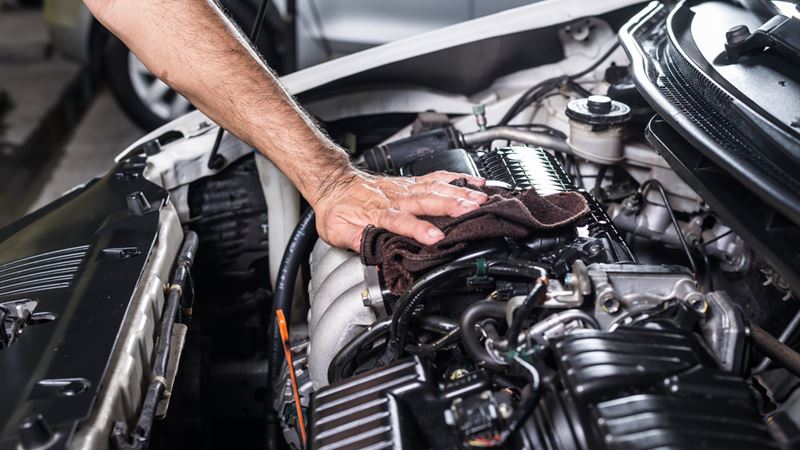
Owning a vehicle comes with the responsibility of maintaining it properly to ensure safety, efficiency, and longevity. Whether you're a new car owner or have been driving for years, understanding the fundamental aspects of car care can make a significant difference in your vehicle's performance and lifespan. Proper maintenance not only preserves the value of your vehicle but also prevents costly repairs down the road. In this comprehensive guide, we'll delve into key car maintenance practices that every car owner should adopt to keep their vehicle running smoothly for years to come.
Maintaining your vehicle isn't just about fixing problems when they arise; it's about proactive care and routine checks. Adhering to recommended maintenance schedules, being attentive to your car's needs, and understanding the importance of each component can help you prevent breakdowns and enhance safety on the road. Here, we outline detailed tips covering engine care, tire management, air filters, braking systems, fluid levels, and additional maintenance essentials. Let's explore these in depth to give you a clear roadmap for effective car ownership.
1. Regular Engine Oil Checks and Changes
One of the most critical aspects of car maintenance is ensuring your engine's oil remains clean and at appropriate levels. Engine oil lubricates the moving parts within the engine, reducing friction and preventing overheating. Over time, oil degrades and accumulates dirt, reducing its effectiveness. Therefore, periodically checking the engine oil level and quality is vital.
To do this, refer to your vehicle's user manual for specific instructions on checking the oil. Typically, it involves pulling out the dipstick, wiping it clean, reinserting it, and then pulling it out again to observe the oil level against marked indicators. The oil should not be below the minimum mark or above the maximum. If the oil level is low, top it up with the recommended grade. If the oil appears dirty or gritty, it's time for an oil change. Regular oil changes—typically every 3,000 to 5,000 miles—are essential, although some modern vehicles may have longer intervals. Consider high-quality brands like Castrol, Mobil 1, or synthetic oils like Titanium Strong for optimal performance.
2. Tire Maintenance: Pressure, Rotation, and Inspection
Your car's tires are the primary contact with the road, making their proper maintenance crucial for safety and efficiency. Maintain tire pressure according to the specifications outlined in your vehicle's manual or on the driver’s side door. Under-inflated tires can cause poor fuel economy, uneven wear, and increased risk of blowouts. Use a reliable tire pressure gauge to check regularly, ideally once a month and before long trips.
In addition to pressure, regular tire rotation helps ensure even wear on all four tires, extending their lifespan. Typically, rotation is recommended every 5,000 to 8,000 miles. During rotation, tires are moved from one position to another, preventing uneven tread wear. Also, inspect tires for any signs of damage, cracks, punctures, or embedded objects. If you notice leakage or a flat, address it immediately, either by repairing or replacing the affected tire to avoid rim damage or accidents.
3. Air Filters: Cleanliness and Replacement
Air filters play a vital role in preventing dust, debris, and harmful particles from entering your engine. A clogged or dirty air filter reduces airflow, leading to decreased efficiency, sluggish acceleration, and higher fuel consumption. It can even cause engine misfires in severe cases.
Periodically check your air filter, especially during routine oil changes. Typically, filters should be replaced every 12,000 to 15,000 miles, but driving in dusty or polluted environments may require more frequent replacement. When replacing filters, opt for reputable brands to ensure proper filtration and engine performance.
4. Brake Inspection and Maintenance
Brakes are a critical safety component. Regular inspection of brake shoes, pads, rotors, and brake fluid is essential to ensure effective stopping power. Worn brake shoes or pads can compromise safety and cause damage to rotors, which are costly to repair or replace.
Have your brakes checked by a professional at least once a year or if you notice warning signs such as squealing, reduced braking responsiveness, or vibrations during braking. Replacing brake pads before they wear down completely can prevent rotor damage and reduce repair costs.
5. Monitoring and Topping Up Car Fluids
Your vehicle relies on various fluids to operate smoothly. Regularly check and top up all vital fluids, including engine coolant (antifreeze), transmission fluid, brake fluid, power steering fluid, and windshield washer fluid.
Coolant prevents the engine from overheating and protects components from corrosion. Check coolant levels periodically and refill if necessary, especially before summer and winter seasons. Transmission fluid ensures smooth gear shifts; low or dirty fluid can impair transmission performance. Brake fluid lubricates the braking system; contamination or low levels can cause brake failure. Windshield washer fluid helps maintain visibility. Use appropriate fluids recommended by your vehicle manufacturer for each system.
6. Battery Maintenance and Checks
A dead battery can leave you stranded. Regularly inspect your battery terminals for corrosion or loose connections. Clean any corrosion with a mixture of baking soda and water, and ensure clamps are tight. Check the battery's age; most batteries last around 3-5 years. If your battery is weak or showing signs of failure—such as slow engine start or dim headlights—it might be time for a replacement.
7. Regularly Verify the Suspension System
The suspension system ensures a smooth ride and maintains vehicle stability. Worn-out shocks or struts can lead to poor handling, increased tire wear, and uncomfortable rides. During routine maintenance, have your suspension components inspected for leaks, damage, or uneven tire wear, and replace parts as needed.
8. Keep Your Car Clean and Protected
Regular washing and waxing protect your vehicle's paint from dirt, salts, and environmental elements. Clean the undercarriage periodically to remove accumulated grime, especially in winter months when road salts are used. Waxing provides a protective layer, preserving the car’s exterior finish and preventing rust.
9. Maintain Proper Lighting and Signal Systems
Ensure all headlights, taillights, blinkers, and interior lights are functioning correctly. Replace burnt-out bulbs immediately to maintain visibility and safety.
10. Keep Emergency Essentials On Hand
Always have a spare tire, jack, lug wrench, jumper cables, and basic tools in your vehicle. These essentials can help you handle minor emergencies and prevent being stranded.
Maintaining your vehicle isn't just about fixing problems when they arise; it's about proactive care and routine checks. Adhering to recommended maintenance schedules, being attentive to your car's needs, and understanding the importance of each component can help you prevent breakdowns and enhance safety on the road. Here, we outline detailed tips covering engine care, tire management, air filters, braking systems, fluid levels, and additional maintenance essentials. Let's explore these in depth to give you a clear roadmap for effective car ownership.
1. Regular Engine Oil Checks and Changes
One of the most critical aspects of car maintenance is ensuring your engine's oil remains clean and at appropriate levels. Engine oil lubricates the moving parts within the engine, reducing friction and preventing overheating. Over time, oil degrades and accumulates dirt, reducing its effectiveness. Therefore, periodically checking the engine oil level and quality is vital.
To do this, refer to your vehicle's user manual for specific instructions on checking the oil. Typically, it involves pulling out the dipstick, wiping it clean, reinserting it, and then pulling it out again to observe the oil level against marked indicators. The oil should not be below the minimum mark or above the maximum. If the oil level is low, top it up with the recommended grade. If the oil appears dirty or gritty, it's time for an oil change. Regular oil changes—typically every 3,000 to 5,000 miles—are essential, although some modern vehicles may have longer intervals. Consider high-quality brands like Castrol, Mobil 1, or synthetic oils like Titanium Strong for optimal performance.
2. Tire Maintenance: Pressure, Rotation, and Inspection
Your car's tires are the primary contact with the road, making their proper maintenance crucial for safety and efficiency. Maintain tire pressure according to the specifications outlined in your vehicle's manual or on the driver’s side door. Under-inflated tires can cause poor fuel economy, uneven wear, and increased risk of blowouts. Use a reliable tire pressure gauge to check regularly, ideally once a month and before long trips.
In addition to pressure, regular tire rotation helps ensure even wear on all four tires, extending their lifespan. Typically, rotation is recommended every 5,000 to 8,000 miles. During rotation, tires are moved from one position to another, preventing uneven tread wear. Also, inspect tires for any signs of damage, cracks, punctures, or embedded objects. If you notice leakage or a flat, address it immediately, either by repairing or replacing the affected tire to avoid rim damage or accidents.
3. Air Filters: Cleanliness and Replacement
Air filters play a vital role in preventing dust, debris, and harmful particles from entering your engine. A clogged or dirty air filter reduces airflow, leading to decreased efficiency, sluggish acceleration, and higher fuel consumption. It can even cause engine misfires in severe cases.
Periodically check your air filter, especially during routine oil changes. Typically, filters should be replaced every 12,000 to 15,000 miles, but driving in dusty or polluted environments may require more frequent replacement. When replacing filters, opt for reputable brands to ensure proper filtration and engine performance.
4. Brake Inspection and Maintenance
Brakes are a critical safety component. Regular inspection of brake shoes, pads, rotors, and brake fluid is essential to ensure effective stopping power. Worn brake shoes or pads can compromise safety and cause damage to rotors, which are costly to repair or replace.
Have your brakes checked by a professional at least once a year or if you notice warning signs such as squealing, reduced braking responsiveness, or vibrations during braking. Replacing brake pads before they wear down completely can prevent rotor damage and reduce repair costs.
5. Monitoring and Topping Up Car Fluids
Your vehicle relies on various fluids to operate smoothly. Regularly check and top up all vital fluids, including engine coolant (antifreeze), transmission fluid, brake fluid, power steering fluid, and windshield washer fluid.
Coolant prevents the engine from overheating and protects components from corrosion. Check coolant levels periodically and refill if necessary, especially before summer and winter seasons. Transmission fluid ensures smooth gear shifts; low or dirty fluid can impair transmission performance. Brake fluid lubricates the braking system; contamination or low levels can cause brake failure. Windshield washer fluid helps maintain visibility. Use appropriate fluids recommended by your vehicle manufacturer for each system.
6. Battery Maintenance and Checks
A dead battery can leave you stranded. Regularly inspect your battery terminals for corrosion or loose connections. Clean any corrosion with a mixture of baking soda and water, and ensure clamps are tight. Check the battery's age; most batteries last around 3-5 years. If your battery is weak or showing signs of failure—such as slow engine start or dim headlights—it might be time for a replacement.
7. Regularly Verify the Suspension System
The suspension system ensures a smooth ride and maintains vehicle stability. Worn-out shocks or struts can lead to poor handling, increased tire wear, and uncomfortable rides. During routine maintenance, have your suspension components inspected for leaks, damage, or uneven tire wear, and replace parts as needed.
8. Keep Your Car Clean and Protected
Regular washing and waxing protect your vehicle's paint from dirt, salts, and environmental elements. Clean the undercarriage periodically to remove accumulated grime, especially in winter months when road salts are used. Waxing provides a protective layer, preserving the car’s exterior finish and preventing rust.
9. Maintain Proper Lighting and Signal Systems
Ensure all headlights, taillights, blinkers, and interior lights are functioning correctly. Replace burnt-out bulbs immediately to maintain visibility and safety.
10. Keep Emergency Essentials On Hand
Always have a spare tire, jack, lug wrench, jumper cables, and basic tools in your vehicle. These essentials can help you handle minor emergencies and prevent being stranded.
Conclusion: Consistent and proactive maintenance is the key to safe, efficient, and reliable vehicle operation. Regular checks, timely replacements, and attention to detail can extend the lifespan of your car while reducing repair costs. Make these practices a routine part of your driving life to enjoy peace of mind on every journey.