
Comprehensive Overview of Potential Side Effects of Garcinia Cambogia
This comprehensive guide explores the potential side effects of Garcinia Cambogia, a popular weight loss supplement. While some benefits are claimed, many users experience adverse effects like headaches, nausea, blood sugar fluctuations, and rare but serious reactions such as rhabdomyolysis. Understanding these risks helps consumers make informed decisions. Always consult healthcare professionals before starting any supplement, especially if you have underlying health conditions or are on medication. Stay informed about the safety and efficacy of Garcinia Cambogia to ensure responsible use for weight management goals.
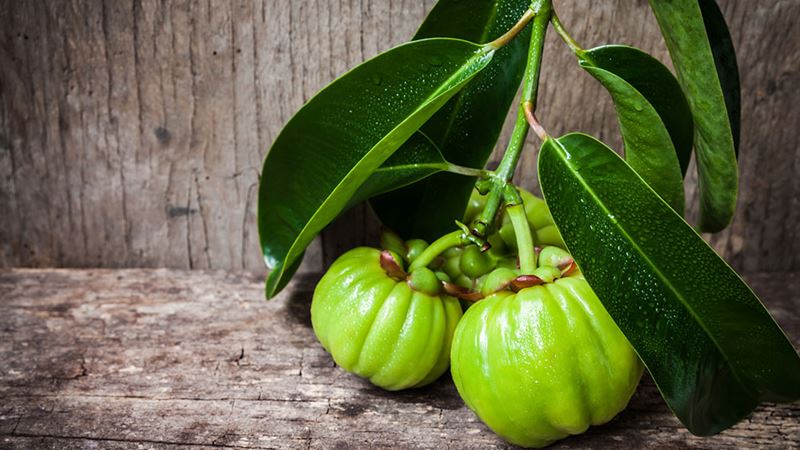
Garcinia Cambogia has gained popularity as a natural supplement for weight management and appetite control. However, despite its widespread use, there are concerns regarding its safety profile and possible side effects. The active compound most often associated with Garcinia Cambogia is Hydroxycitric Acid (HCA), which is marketed for its supposed ability to enhance fat burning and suppress appetite. While some studies suggest potential benefits, scientific evidence remains inconclusive, especially regarding its long-term impacts on human health. Most research confirming benefits has been conducted on animals, with limited human trials.
It is essential to understand that the effectiveness of Garcinia Cambogia in promoting weight loss varies among individuals, and its actual benefits for humans are still under investigation. Beyond questions of efficacy, potential adverse effects are an important consideration before starting any supplement regimen. Users should be aware that side effects differ from person to person, influenced by factors such as dosage, individual health status, and interactions with other medications or supplements. This article provides a detailed overview of the known and suspected side effects associated with Garcinia Cambogia consumption, along with insights into their causes and precautions.
- Common Headaches and Discomforts
Many consumers report experiencing headaches after taking Garcinia Cambogia, although this is not universal. The occurrence often depends on dietary choices, supplement formulation, and individual susceptibility. Headaches could result from ingredients such as caffeine or additives used in supplement manufacturing. Taking the supplement late at night or on an empty stomach might exacerbate these problems, leading to restlessness or discomfort. People sensitive to stimulants or with existing headache conditions should exercise caution.
- Gastrointestinal Symptoms: Nausea and Stomach Upset
One of the most frequently reported side effects is nausea, which can sometimes be accompanied by indigestion, acid reflux, or abdominal discomfort. These symptoms are believed to be caused by the metabolic effects of HCA or other ingredients that irritate the gastrointestinal tract. Nausea may also follow a headache or occur independently, particularly when the supplement is taken on an empty stomach or in high doses. Such digestive issues may discourage continued use and indicate a need to adjust dosage or discontinue use altogether.
- Impact on Blood Sugar Levels
Garcinia Cambogia is recognized for its potential to influence blood glucose regulation. It can lead to lower blood sugar levels by facilitating how the body utilizes glucose, subsequently reducing insulin secretion. While this may benefit some individuals, especially those aiming to manage diabetes, it also poses risks for others. People with hypoglycemia or those on medication to control blood sugar should monitor their levels carefully to prevent dangerous drops. Combining Garcinia Cambogia with antidiabetic drugs might increase the risk of hypoglycemia, necessitating medical supervision during supplementation.
- Rhabdomyolysis: A Rare and Serious Condition
Rhabdomyolysis, a condition involving muscle fiber breakdown, is an extremely rare side effect associated with herbal weight loss supplements like Garcinia Cambogia. It occurs when the synthesis of fatty acids is disrupted, leading to muscle cell death. Symptoms may include muscle pain, weakness, and dark-colored urine. The compromised muscle tissue releases toxins that can impact kidney function, sometimes leading to kidney failure if untreated. Fortunately, cases are rare, and full recovery is possible with prompt medical attention. Nonetheless, it emphasizes the importance of cautious use and consultation with healthcare professionals.
- Allergic Reactions and Hypersensitivity
Several allergic responses have been documented, notably skin rashes, hives, wheezing, chest tightness, and swelling. These reactions could be triggered by the chemical HCA, additives, binders, or fillers present in supplements. Allergic reactions may vary from mild to severe, with some individuals experiencing anaphylaxis, a life-threatening condition requiring immediate medical attention. People with known allergies or sensitivities to herbal components should conduct patch tests or consult healthcare providers before beginning supplementation.
In addition to these common side effects, there are several other adverse effects worth noting, including:
- Digestive disturbances such as bloating, cramps, or diarrhea
- Potential reproductive effects like testicular shrinkage (rare and primarily observed at very high doses)
- Vomiting and nausea
- Disrupted sleep patterns leading to insomnia
- Feeling of restlessness or irritability
- Dizziness or fainting episodes
- Increased hunger, paradoxically counteracting weight loss efforts
- Persistent gastrointestinal discomfort
While not everyone experiences these side effects, it underscores the importance of cautious use, proper dosing, and medical supervision. Scientific research into Garcinia Cambogia’s safety profile remains ongoing; hence, consumers should approach its use with informed caution until more definitive findings are available.