
Garcinia Cambogia: Exploring Its Potential Benefits and Risks
Garcinia cambogia has gained popularity as a natural weight management supplement, but its benefits and risks are often debated. This detailed review covers scientific findings on weight loss, appetite control, cholesterol, and blood sugar, alongside potential side effects like liver toxicity and drug interactions. Emphasizing cautious use, the article advocates healthy lifestyle practices over reliance on supplements. Consumers should consult health professionals before use, especially if pregnant, nursing, or on medication. Prioritize natural diet and exercise to achieve lasting health benefits while minimizing risks associated with Garcinia cambogia.
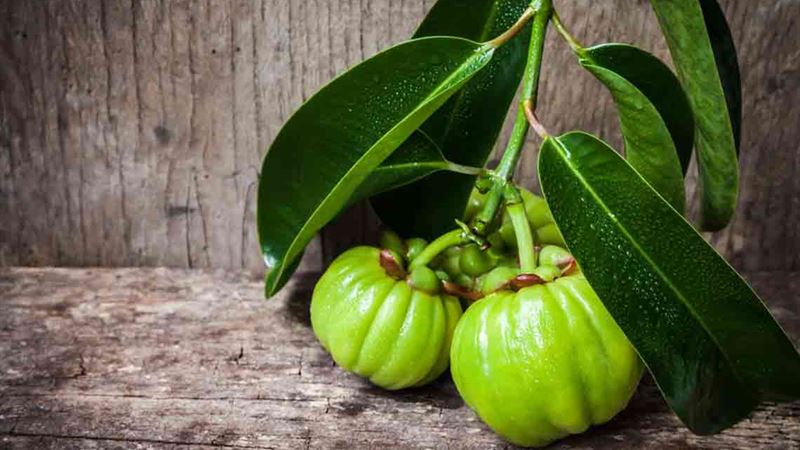
Garcinia cambogia is a tropical fruit native to Southeast Asia and India, traditionally consumed for its medicinal properties. In recent times, it has been marketed as a natural fat burner and appetite suppressant, promising quick and effortless weight loss without drastic lifestyle changes. However, such claims warrant cautious examination, as scientific research presents mixed results. Besides weight management, Garcinia cambogia is also linked with potential improvements in cholesterol levels, blood sugar regulation, and overall metabolic health. Yet, it is essential to approach these claims with a balanced perspective, considering the available clinical studies and user reports.
- Weight Loss and Body Composition
Numerous studies have explored the connection between Garcinia cambogia and weight loss. The active compound, hydroxycitric acid (HCA), is believed to interfere with an enzyme called adenosine triphosphate-citrate lyase, which plays a role in fat synthesis. By inhibiting this enzyme, Garcinia is thought to reduce fat accumulation and promote fat oxidation. Clinical trials, however, present inconclusive results. Some research indicates modest fat loss—typically between one to two pounds over several weeks—while others show no significant impact. Furthermore, the weight loss effects are often inconsistent across different populations and dosages. It’s important to recognize that Garcinia should not be viewed as a miracle cure but rather as a potential supplement to a balanced diet and regular exercise. - Appetite Suppression and Mood Enhancement
A notable claim is that Garcinia cambogia helps curb hunger by increasing serotonin levels—a neurotransmitter that influences mood and satiety. Higher serotonin levels can naturally suppress appetite and reduce cravings for sugary or comfort foods. While some studies support this mechanism, the effect size appears modest. Relying solely on Garcinia for appetite control might not be effective for everyone. Nutrition experts recommend a wholesome diet rich in proteins, healthy fats, and complex carbohydrates to maintain satiety and mood stability. Incorporating behavioral strategies and mindful eating habits remains the cornerstone of appetite management. - Cholesterol and Cardiovascular Health
Emerging research suggests that Garcinia cambogia could positively influence lipid profiles by lowering triglycerides and increasing HDL (good cholesterol). Nonetheless, the evidence remains limited and inconsistent. Over-the-counter supplements should not be solely relied upon for managing cholesterol or cardiovascular issues—a comprehensive approach involving diet, exercise, and medication (if necessary) is essential. Consuming more fruits, vegetables, nuts, seeds, and fiber-rich foods is proven to improve lipid levels naturally and sustainably. - Blood Sugar and Diabetes Control
Some preliminary studies imply that Garcinia cambogia might enhance glucose metabolism by promoting better cellular uptake of glucose and improving insulin sensitivity. Such effects could benefit individuals with insulin resistance or type 2 diabetes. However, these findings are not conclusive, and some evidence also indicates the risk of hypoglycemia (dangerously low blood sugar levels) if Garcinia is taken in excess or with other glucose-lowering medications. Patients with diabetes or on medication should consult healthcare providers before use.
While Garcinia cambogia appears promising in several health domains, it also carries potential side effects—some serious. Many consumers report no adverse effects, but there are alarming cases of severe liver toxicity linked to Garcinia supplement consumption. Liver damage has, in some instances, necessitated transplantation. These adverse reactions may be tied to overdose, impurity, or contamination of supplements, underlining the importance of purchasing reputable products and following recommended dosages.
Common side effects include gastrointestinal disturbances such as nausea, diarrhea, and stomach discomfort. Others describe symptoms like dizziness, fatigue, skin rashes, and cognitive effects like brain fog or weakness. Certain individuals have experienced suppressed immune function, which could increase susceptibility to infections. Additionally, Garcinia cambogia can interact adversely with various medications—especially those for liver or kidney conditions, diabetes, blood thinners, and mental health drugs. It may also interfere with pregnancy and breastfeeding, posing risks to mother and child.
Given these concerns, it is crucial to approach Garcinia cambogia with caution. Before using supplements, consult with a healthcare professional to evaluate potential interactions and suitability based on personal health status. Pregnant women, nursing mothers, or those with existing health conditions should avoid it altogether unless specifically advised by their doctor. Moreover, be wary of products that do not clearly specify HCA content or originate from unreliable sources. The safest approach is to emphasize a natural diet, regular exercise, and healthy lifestyle choices rather than relying solely on supplements.
In conclusion, while Garcinia cambogia has attracted attention for its potential weight loss and health benefits, scientific evidence remains mixed, and safety concerns are significant. It is advisable to prioritize natural consumption of the fruit or consult a health professional before starting any supplementation. Careful selection of quality products—preferably with transparent labeling—can reduce risks. Remember, sustainable health improvements are best achieved through balanced nutrition, physical activity, and informed choices rather than quick-fix solutions.