
Comprehensive Guide to Shingles: Symptoms, Prevention, and Treatment Strategies
This comprehensive guide explores shingles, including its causes, symptoms, visual signs, severity, prevention, and treatment options. It emphasizes early recognition, vaccination, and maintaining immune health to prevent complications. Understanding shingles helps individuals seek prompt medical care and manage the condition effectively to reduce risks and improve quality of life.
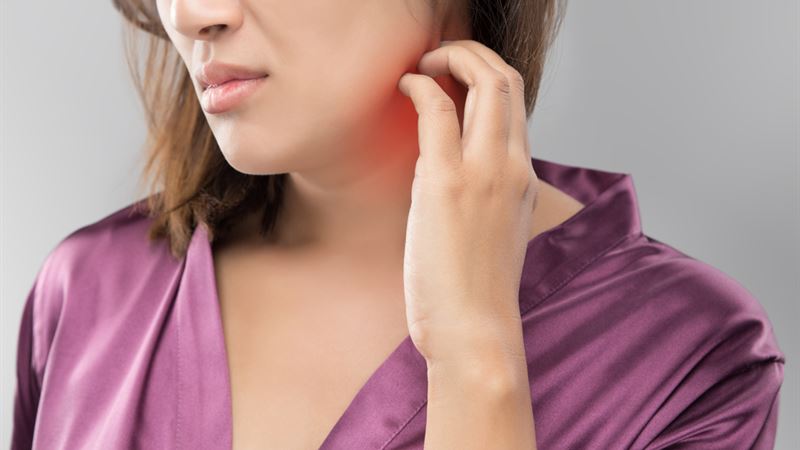
Understanding the Severity of Shingles
- Unattended shingles can lead to severe health issues, including life-threatening conditions such as stroke or cardiac problems, especially in vulnerable populations. The virus's impact extends to the cardiovascular system by promoting arterial and venous plaque buildup, impairing blood flow to vital organs.
- Older adults are particularly susceptible to complications like vision impairment, persistent nerve pain (postherpetic neuralgia), skin infections, and neurological disturbances. These complications can substantially diminish quality of life and require comprehensive medical intervention.
- Furthermore, shingles can exacerbate existing health issues by increasing blood pressure and promoting inflammation throughout the body. This underscores the importance of early detection and prompt treatment.
Visual Indicators and Shingles Rash Photos
- Identifying shingles early can be challenging, as initial symptoms are often subtle and nonspecific. Common early signs include severe headaches, fever, and general malaise.
- As the condition develops, individuals may experience heightened sensitivity to light, fatigue, weakness, and dizziness. Recognizing these symptoms early can facilitate quicker diagnosis and treatment.
- Characteristic shingles rash typically appears as a band or strip of painful, blistering skin lesions, often localized on one side of the torso or face. Comparing visual images of shingles rashes online can assist in self-assessment and early recognition.
- Itching, tingling, burning sensation, and tenderness around the affected area are common discomforts during the rash phase, impacting daily activities and overall comfort.
- In advanced stages, blisters may rupture, leading to open sores prone to secondary bacterial infections. Prompt medical attention is essential to manage these symptoms effectively.
Assessing Severity via Shingles Visuals
- Photos illustrating different stages of shingles rash can serve as valuable tools for individuals to estimate the severity of their condition. Visual comparisons help patients understand the progression from initial skin signs to blistering and ulceration.
- Numerous online resources offer free shingles rash images categorized by stages, aiding in self-assessment. However, these should not replace professional medical evaluation.
- Immediate consultation with healthcare providers is recommended once shingles is suspected, especially to prevent long-term complications such as nerve damage or vision loss.