
Top Reasons to Replace Your Old Water Heater and Upgrade to Modern Solutions
Discover the crucial signs indicating it's time to replace your aging water heater. Learn about modern water heating options, benefits of upgrading, and tips for choosing the right model to enhance efficiency, safety, and convenience in your home. Upgrading your water heater not only ensures reliability but also saves energy and money in the long run, making it a smart investment for a comfortable living environment.
Is Your Old Water Heater Holding You Back? Discover Why Upgrading Makes Sense
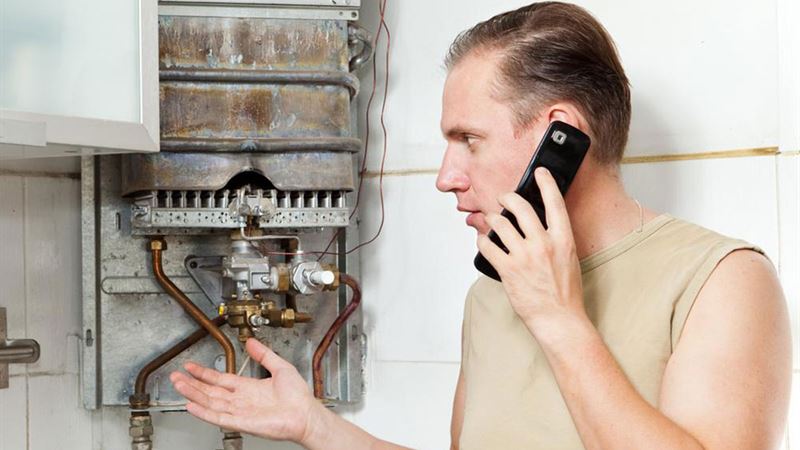
Having reliable hot water is essential for daily comfort, but an aging water heater can undermine your routines and lead to unexpected inconveniences. If you find yourself facing frequent issues with your current unit—such as inconsistent water temperature, slow heating times, or frequent breakdowns—it's time to consider an upgrade. Modern water heaters offer improved efficiency, safety, and convenience, making the investment worthwhile. Recognizing the signs that indicate your current water heater is past its prime can save you time, money, and frustration. In this comprehensive guide, we explore the key reasons why replacing an old water heater is a smart choice and how new models can enhance your home's comfort and energy savings.
Key Indicators That Signal the Need for a New Water Heater
Modern hot water systems have evolved significantly, offering features such as tankless operation, smart temperature controls, and energy-efficient designs. If your current model exhibits any of the following signs, it's highly advisable to start exploring your replacement options:
- Inconsistent Water Temperature: If your hot water fluctuates between scalding and lukewarm, or if you notice inconsistent temperature levels, your water heater may be failing. Modern units come equipped with precise temperature control gauges that ensure consistent hot water delivery and improved safety.
- Prolonged Heating Times: Waiting several minutes for water to heat up is frustrating and often indicates that your heater is underperforming or outdated. Newer models heat water faster, saving you time and energy.
- Expired Warranty: Water heaters typically come with warranties that last several years. Once these periods expire, the risk of mechanical failure increases, and any repairs may no longer be covered. Transitioning to a new unit ensures reliability and peace of mind.
- Frequent Malfunctions and Repairs: If your water heater requires frequent repairs or experiences unpredictable breakdowns, it’s often more cost-effective to replace it rather than continuously repair an aging fixture.
- Unusual Noises: Rumbling, banging, or whining sounds from your unit are common signs of sediment buildup or mechanical wear. Persistent noises not only indicate a failing heater but can also be disruptive and indicate imminent failure.
- Corrosion and Leaking: Visible rust, corrosion, or leaks are serious red flags suggesting the tank’s integrity is compromised. Such issues can lead to water damage and safety hazards.
Advantages of Upgrading to Modern Water Heaters
Today's water heating technologies include energy-efficient tankless models, heat pump systems, and smart controls. Investing in a modern unit offers numerous benefits:
- Enhanced Energy Efficiency: Newer models consume less electricity or gas, significantly reducing your utility bills and environmental footprint.
- Reliable Performance: Modern systems are built for durability, providing consistent hot water without fluctuations or interruptions.
- Space-Saving Designs: Tankless water heaters occupy less space and can be installed in compact locations, freeing up room for other uses.
- Advanced Safety Features: Modern units include safety measures such as corrosion-resistant tanks and automatic shutoff systems, minimizing risks.
- Cost Savings Over Time: Despite higher initial costs, energy savings, fewer repairs, and increased longevity make new water heaters more economical in the long run.
- Eco-Friendly Operation: Environmentally conscious designs and energy-efficient operation help reduce carbon footprint.
How to Choose the Right Replacement Water Heater
Upgrading involves selecting the unit that best fits your household’s needs, budget, and space constraints. Consider the following factors:
- Capacity: Choose a unit with adequate capacity to meet your household’s hot water demands without wasting energy.
- Type: Decide between tankless, storage tank, heat pump, or hybrid systems based on your preferences and local energy availability.
- Energy Source: Consider electric, gas, or solar-powered options depending on your home’s infrastructure and energy costs.
- Efficiency Ratings: Look for models with high Energy Factor (EF) or Uniform Energy Factor (UEF) ratings for optimal efficiency.
- Installation Space: Ensure there’s adequate space for the new unit, especially for tankless models that may require specific clearances.
Conclusion
Replacing an aging water heater is a smart decision to ensure safety, efficiency, and uninterrupted supply of hot water. Modern models offer significant improvements over traditional units, providing energy savings, enhanced safety features, and more reliable performance. If your current water heater is showing signs of wear, it's time to consider upgrading to a new, efficient model that will serve your household reliably for years to come. Stay ahead of potential failures and enjoy the comfort of consistent hot water with a modern, energy-efficient system designed for your needs.