
Essential Guide to Mobile Homes: What You Need to Know
Explore the comprehensive guide to mobile homes, uncovering benefits like affordability, flexibility, eco-friendliness, and customization options. Learn key factors to consider before investing, including location, layout, condition, and costs, to make informed decisions for a comfortable, sustainable lifestyle. Ideal for prospective homeowners seeking practical housing solutions.
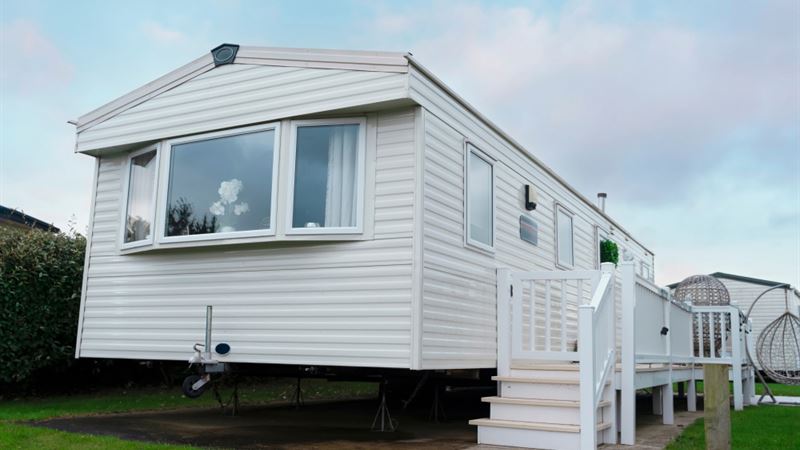
Mobile homes, also known as manufactured or park homes, have become an increasingly popular housing choice for many due to their affordability, flexibility, and quick construction times. These homes are designed to offer a practical, cost-effective solution for those seeking a comfortable lifestyle without the high costs associated with traditional houses. This comprehensive guide explores various aspects of mobile homes, including their benefits, customization options, environmental impact, community living opportunities, and critical factors to consider before making an investment.
One of the primary advantages of mobile homes is their remarkable flexibility. Unlike traditional brick-and-mortar houses, mobile homes can be relocated to different areas, allowing residents to change their surroundings or neighborhoods easily. This mobility offers a significant level of convenience for individuals seeking to be closer to their workplaces, schools, or family members. It also presents opportunities for residents to explore different communities and lifestyle options without the commitment of a permanent residence. The ability to move a mobile home to a plot with lower property taxes or pitch fees also makes them a financially appealing option for many.
- Affordability and Cost-Effectiveness
Financial considerations are often a decisive factor when choosing a home, and mobile homes excel in this area. Generally, they cost significantly less than traditional homes, mainly because they are manufactured in factories and not built on-site. This mass production approach reduces labor and material costs, making mobile homes more accessible to a broader audience. The price of a new mobile home can start as low as £30,000 for basic models, whereas larger or more luxurious units can cost upwards of £100,000. Pre-owned mobile homes are also available at even more affordable prices, often starting around £15,000 to £30,000, depending on their age and condition. This affordability allows individuals with limited budgets to access quality housing options.
- Speedy Construction and Delivery
Another major benefit of mobile homes is the rapidity of their construction. Since they are pre-manufactured in factories, the entire building process takes a fraction of the time required for traditional homes. Once a mobile home is finished, it can be transported and installed on-site within a few weeks or even days in some cases. This swift process means that individuals or families can move into their new homes much sooner than waiting for conventional construction to conclude. For those needing temporary housing solutions or looking to settle quickly in new locations, mobile homes offer an excellent option.
- Energy Efficiency and Environmental Benefits
Modern mobile homes are designed with sustainability in mind. They adhere to strict construction standards, such as BS3632, which mandate thicker walls, high-quality insulation, double-glazed windows, and proper ventilation. These features contribute to maintaining interior temperatures efficiently, reducing the need for excessive heating or cooling, and ultimately lowering energy bills. Additionally, manufacturing mobile homes in factories minimizes waste during construction—producing roughly ten times less waste compared to traditional building methods. This environmentally friendly production process aligns with sustainable living goals and reduces the ecological footprint of housing.
- Customizable Designs
Despite their factory-made nature, mobile homes offer a versatile range of customization options. Buyers can choose from various layouts, floor plans, and interior finishes to suit their preferences and lifestyle. Options such as adding porches, carports, or external storage units enable further personalization. Interior features like kitchen appliances, bathroom fixtures, flooring, and wall colors can also be tailored to individual tastes. This level of customization ensures that residents can create a home that feels uniquely theirs, blending practicality with personal style.
- Eco-Friendly and Sustainable
Your choice of a mobile home can also reflect your commitment to environmental responsibility. Constructed with eco-friendly materials and produced in controlled factory environments, mobile homes generate significantly less waste than traditional construction projects. Their energy-efficient design helps cut down on energy consumption and reduces greenhouse gas emissions. For environmentally conscious buyers, mobile homes represent a responsible housing solution that minimizes ecological impact.
Beyond their physical features, mobile homes also foster a sense of community. Many are situated in designated holiday parks or residential parks where residents lease plots of land. This setup encourages social interaction, shared amenities, and communal activities, cultivating a vibrant neighborhood atmosphere. These park communities often organize social events, festivals, and gatherings, creating a friendly and inclusive environment for residents of all ages.
Things to Consider Before Investing in a Mobile Home
- Selecting the Right Park or Location
Choosing the appropriate park or location is crucial. Many holiday parks lease land to mobile homeowners for periods typically ranging from 10 to 15 years. Some parks offer longer lease terms, providing greater stability. Prospective buyers should assess whether the park's environment suits their lifestyle, such as proximity to schools, workplaces, or recreational facilities. For families with children, access to good schools or parks may be essential. Additionally, residents should consider the park's policies regarding mobile home upgrades, maintenance, and community rules.
- Home Layout and Design
Similar to traditional homes, the layout of a mobile home significantly impacts comfort and usability. Buyers should carefully evaluate the number of bedrooms and bathrooms, the flow of interior spaces, and the overall design to ensure it meets their needs. For example, a family may prioritize a three-bedroom layout with ample living space, while singles or couples might prefer a more compact, open-plan design. The placement of windows, entrances, and outdoor decks can also influence daily living experiences and aesthetic appeal.
- Age and Condition of the Mobile Home
The lifespan of a mobile home typically exceeds 50 years if properly maintained. When considering a new mobile home, buyers can expect decades of use, making it a durable investment. Pre-owned units, however, may have a shorter remaining lifespan depending on their age and condition. It is essential to inspect pre-owned mobile homes thoroughly, considering potential repairs or upgrades needed and estimating remaining usability. This evaluation can help determine whether purchasing a used mobile home aligns with your long-term plans.
- Cost and Budget Planning
Mobile homes are generally more affordable than traditional houses, but costs can vary based on size, features, and location. For example, a two-bedroom mobile home with approximately 800-900 square feet might start at around £80,000, whereas larger models or those with premium features can reach £120,000 or more. Buyers should also account for ongoing expenses such as park lease fees, maintenance costs, insurance, and utility bills. Establishing a comprehensive budget helps ensure that homeownership remains sustainable and financially manageable over time.
In conclusion, mobile homes present a compelling housing option characterized by affordability, flexibility, and eco-friendliness. They enable individuals and families to enjoy comfortable living in a community setting while benefiting from quick construction and customization options. However, prospective buyers must carefully consider factors such as location, design, age, and costs to make informed decisions that suit their lifestyle and long-term goals. With proper planning and research, owning a mobile home can lead to a rewarding and sustainable living experience.