
Comprehensive Guide to Scalp Psoriasis: Recognition, Symptoms, and Effective Management
This comprehensive guide provides detailed insights into scalp psoriasis, from early signs and symptom identification to effective management strategies. Learn how to distinguish it from dandruff and seborrheic dermatitis, and discover practical tips for treatment and long-term control. Empower yourself with knowledge to improve scalp health and reduce flare-ups for a better quality of life.
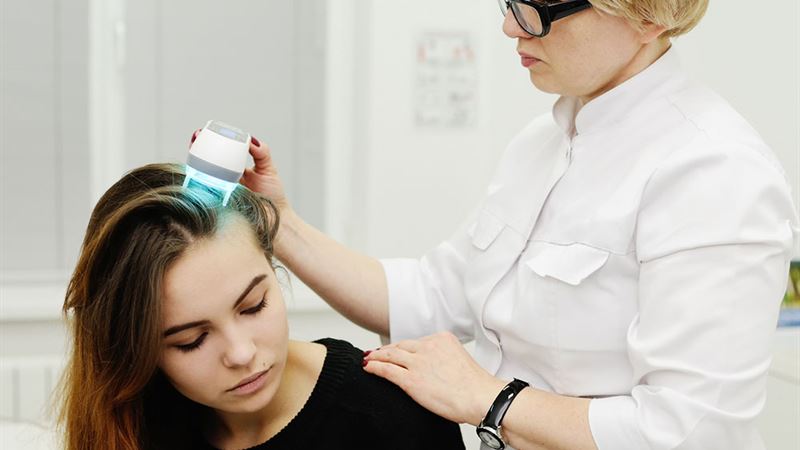
Understanding the First Signs of Scalp Psoriasis
- Initial symptoms often appear along the hairline, at the back of the head, or in areas such as the ears, forehead, and neck. The plaques typically emerge as dry, raised patches covered with silvery or grayish scales, which are characteristic of psoriasis. These patches can be unevenly distributed, affecting one side or covering large areas of the scalp.
- An early indicator includes the presence of flaking skin that resembles dandruff but is more persistent and resistant to regular shampooing. The flakes are often thicker and may be accompanied by redness and minor irritation.
- Itching, burning sensations, and mild discomfort are common symptoms that might accompany the visible plaques. These sensations tend to worsen during flare-ups triggered by various factors.
Range of Symptoms and Their Severity
- The intensity of scalp psoriasis varies from mild, almost unnoticed patches to extensive, painful, and bleeding plaques that cover most of the scalp.
- Scratching or attempting to remove plaques can lead to bleeding, hair loss, and further skin irritation. Additionally, continuous scratching may cause secondary infections if not properly managed.
- Patients may also experience temporary hair thinning or hair loss in areas where plaques are deeply inflamed or have been scratched excessively.
It’s important to note that symptoms tend to flare up or worsen due to external triggers such as stress, infections, cold weather, or even certain hair care products. These aggravating factors increase inflammation and can rapidly exacerbate the condition. The visual appearance of scalp psoriasis varies depending on skin tone: on lighter skin, it manifests as pink or red patches with well-defined silver-white scales, while on darker skin, the patches may appear darker brown or purple with grayish scales. Recognizing these signs early can facilitate timely treatment and prevent progression.
Differentiating Scalp Psoriasis from Dandruff and Seborrheic Dermatitis
- Scalp psoriasis vs. dandruff: While both conditions produce scalp flakes, psoriasis plaques tend to be thicker, more raised, and often have clearly defined borders. Dandruff generally results in fine, oily flakes that are less likely to cause thick patches. Psoriasis is also associated with inflammation and redness extending beyond the scalp, unlike dandruff.
- Scalp psoriasis vs. seborrheic dermatitis: Both can present with flaky, itchy scalp symptoms, but psoriasis usually involves thicker, drier scales that may extend beyond the hairline. Seborrheic dermatitis tends to be confined to the scalp or areas rich in oil glands and often features greasy or yellowish scales. Additionally, psoriasis may involve other skin areas such as elbows or knees, and nail changes like pitting are common.
Effective Strategies for Managing Scalp Psoriasis
- Resist the urge to scratch: Scratching intensifies inflammation, damages the skin, and can lead to infection or hair loss. Instead, focus on soothing remedies to reduce itching.
- Consult a dermatologist: Early diagnosis is key to effective treatment. A healthcare professional can recommend suitable topical or systemic therapies tailored to the severity of your condition.
- Adopt gentle hair care routines: Avoid aggressive scrubbing or vigorous massaging of the scalp. Use mild, medicated shampoos designed for psoriasis or anti-inflammatory properties and apply them gently with slow, circular motions.
- Carefully remove scales: As treatment progresses, flakes may loosen naturally. Remove them softly using a soft-bristled brush or gentle combing without pulling or scratching the skin.
- Maintain scalp hygiene: Regularly clean brushes, combs, and hair tools to prevent bacterial or fungal infections. This is especially important if you notice scalp inflammation or open lesions.
- Manage stress effectively: Stress is a well-known trigger for psoriasis flare-ups. Engaging in relaxation techniques such as yoga, meditation, or deep breathing exercises can help control stress-related symptoms.
- Follow your treatment plan diligently: Consistent application of prescribed medications or topical treatments is vital for controlling symptoms and preventing flare-ups.
Additional Tips for Long-term Control
- Maintain a healthy diet rich in anti-inflammatory foods, such as omega-3 fatty acids, fruits, and vegetables.
- Stay well-hydrated to help keep the scalp moisturized and reduce dryness and itching.
- Limit exposure to harsh chemicals or hair products that may irritate sensitive skin.
- If you notice nail changes or symptoms occurring in other parts of your body, inform your healthcare provider for comprehensive management.
Living with scalp psoriasis can be challenging, but with proper understanding and a strategic approach to treatment and self-care, individuals can significantly improve their quality of life. Recognizing the early signs, differentiating it from other scalp conditions, and adhering to a tailored treatment plan are essential steps towards effective control and relief from symptoms. Always consult a healthcare professional for personalized advice and treatment options.