
Comprehensive Guide to Roof Trusses: Components, Types, and Advantages
Explore the comprehensive guide to roof trusses, including their components, various types like king post, queen post, Fink, attic, scissor, and gable trusses, along with their benefits. Learn how these prefabricated frameworks enhance construction efficiency, cost-effectiveness, and design flexibility for residential, commercial, and industrial buildings. Discover the key components, application scenarios, and advantages that make roof trusses a popular choice worldwide for durable and innovative roofing solutions.
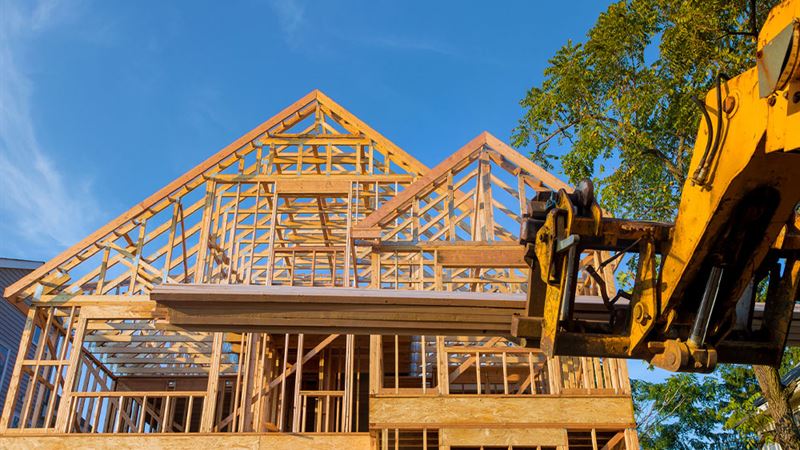
Roof trusses serve as an efficient and widely used alternative to traditional rafters or stick framing methods in modern construction. Unlike rafters, which require larger timber pieces and specialized carpentry skills, roof trusses are prefabricated systems that offer significant advantages in terms of cost, speed, and structural integrity. These engineered frameworks are designed to span large distances, providing support for roofing materials while creating open and versatile interior spaces. Whether aiming for residential homes, commercial buildings, or industrial facilities, understanding the various types of roof trusses, their components, and benefits can help builders and homeowners make informed decisions for their projects.
Overview of Roof Trusses
Roof trusses are triangular structural frameworks composed of several key components that work together to support the roof load efficiently. Usually manufactured off-site in controlled environments, these prefabricated structures can be quickly transported and installed, significantly reducing construction time compared to traditional framing methods. The primary advantages include cost savings, enhanced durability, and the ability to accommodate complex roof designs. They are especially popular in contemporary construction due to their strength-to-weight ratio and customization capabilities.
Major Components of Roof Trusses
- Bottom Chord: The horizontal element that forms the base of the triangular truss. It supports the weight of the roof covering and transfers loads to the walls or foundation.
- Top Chords: The inclined members forming the sides of the triangle, carrying the roof loads downward to the connection points.
- Webbing: The internal members that connect the top and bottom chords, distributing forces and providing stability. Webbers are often arranged in various patterns, such as W, Howe, or Fink shapes, depending on the design requirements.
- King Post: A central vertical post in simple truss designs that helps maintain the shape and strength of the structure.
- Queen Post: Two vertical posts used in larger trusses, allowing for wider spans and more complex configurations.
- Straining Beams: Horizontal members that connect queen posts or other vertical elements, enhancing the overall rigidity of the truss.
Types of Roof Trusses and Their Applications
The selection of a particular type of roof truss depends largely on the building's purpose, architectural design, and span requirements. Here is an in-depth overview of some of the most prevalent types:
- King Post Truss: One of the simplest and most traditional forms, the king post truss consists of a square or triangular framework with a central vertical post. It is best suited for small-scale projects like garages, sheds, or minor home extensions. Its straightforward design makes it cost-effective and quick to assemble, but it is limited in span length, generally supporting only short spans.
- Queen Post Truss: Slightly more complex than the king post, this truss employs two vertical posts connected by a horizontal straining beam. Its capacity to span between 8 to 12 meters makes it ideal for larger residential projects, including home additions, attics, and loft conversions. The design allows for increased interior space and flexibility while maintaining structural simplicity.
- Fink Truss: One of the most popular choices for residential roofs, the Fink truss features webbing that resembles a W shape, distributing the load efficiently. Capable of spanning up to 14 meters, it offers excellent support for longer spans and creates the possibility for storage or plumbing channels within the webbing. Its balance of strength and cost-effectiveness makes it a favored option in modern residential construction.
- Attic Truss: Designed specifically to incorporate an upper storage or living space, attic trusses extend the span to as much as 25 meters. They are similar to queen post trusses but feature greater spacing between vertical posts, enabling more usable attic space. However, the webbing may sometimes restrict the available volume, requiring careful planning for insulation and fixtures.
- Scissor Truss: Recognized for its aesthetic appeal, the scissor truss introduces a vaulted ceiling appearance by having bottom chords that slope inward. Capable of spanning up to 22 meters, it is often used in residential designs that aim for open, dramatic interior spaces. Its complex design necessitates precise engineering and often comes at a higher cost, but the visual impact and spatial advantages are substantial.
- Gable Truss: Typically serving as the end walls of a roof, gable trusses are versatile and are frequently combined with other truss types. They are characterized by two inclined top chords that form the sloped sides of the roof, connected by vertical posts. Adjusting their size and configuration allows architects to customize building aesthetics, but they tend to be more expensive, costing between 25-50% more than standard trusses.
Advantages of Using Roof Trusses
- Rapid Installation: Due to their prefabricated nature and simple designs like king post or queen post varieties, roof trusses can be assembled swiftly on-site, minimizing labor time and reducing overall construction schedules. This efficiency translates into significant cost savings, especially for large-scale projects.
- Cost Efficiency: While the initial cost of prefabricated trusses may seem high, the savings in labor, material, and time make them a financially sound choice. Knowing component costs upfront allows for better budget management and reduces unexpected expenses during construction.
- Enhanced Structural Durability: Engineered with precision and built from high-quality materials, roof trusses are designed to withstand environmental stresses, including wind, snow, and seismic activity, providing long-term stability.
- Design Flexibility: The variety of truss types accommodates diverse architectural styles and functional needs, from simple small roofs to complex vaulted ceilings, offering tremendous creative freedom.
- Space Optimization: Certain trusses, like attic and scissor types, maximize interior space, creating opportunities for additional rooms or aesthetic features without requiring larger footprints.
While roof trusses offer many benefits, it is crucial to engage experienced engineers or architects when designing and installing them. Proper planning ensures compliance with building codes, safety standards, and optimal performance tailored to each project's unique needs. With meticulous planning and skilled execution, roof trusses can provide an economical, durable, and aesthetically pleasing roof structure for decades.