
The Connection Between Prescription Eyewear and Migraine Relief: Insights and Causes
This comprehensive article explores the intricate relationship between prescription eyewear and migraines, emphasizing how proper vision correction and eye health are vital to reducing headache frequency. Learn about ocular migraine types, triggers, and effective strategies to prevent eye strain-related migraines. Regular eye exams and lifestyle changes are critical components in managing symptoms and maintaining overall eye and neurological health.
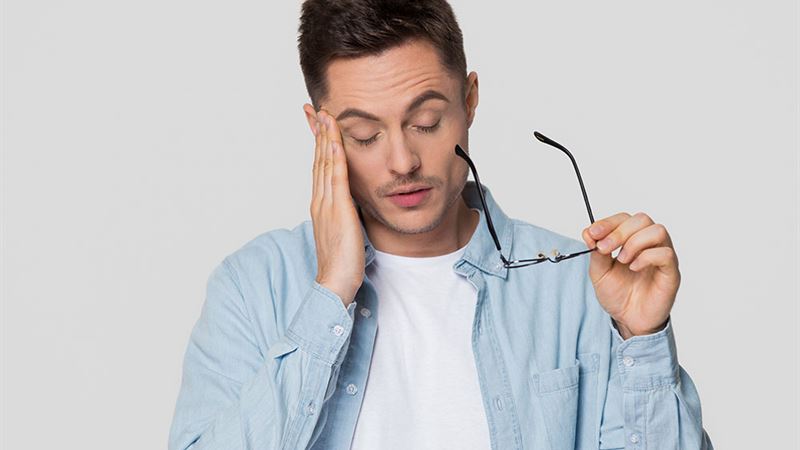
Many individuals experience recurring headaches and visual disturbances, often attributing these symptoms to migraines. Among various contributing factors, eyewear and eye health play significant roles in the occurrence and severity of migraines. Proper vision correction with prescription glasses not only improves clarity but can also be a crucial element in managing headache frequency. Understanding how eyewear and visual health influence migraines can empower individuals to take proactive steps for better well-being.
Visual disturbances such as auras, flashing lights, blind spots, and patterns are typical symptoms associated with migraines. These manifestations are collectively known as migraine aura, and they can significantly impair daily functioning. There are two primary types of ocular migraines: migraine with aura and retinal migraine. The former affects overall vision, leading to visual disturbances like flashing lights, stars, geometric shapes, or blind patches, while the latter usually affects only one eye and manifests as sudden vision loss, flickering lights, or blurred vision.
Several factors increase the likelihood of ocular migraines, including genetic predisposition, hormonal fluctuations, weather changes, and exposure to certain odors. It is essential to recognize that while these triggers contribute to the development of migraines, there is also a critical connection with eye health and vision correction habits.
Can Poor Vision Trigger Migraines?
Contrary to popular belief, refractive errors such as astigmatism, myopia (nearsightedness), hyperopia (farsightedness), and presbyopia (age-related difficulty focusing) do not directly cause or trigger migraines. These errors are purely structural issues with the eye's focusing ability and do not inherently lead to head pain or aura symptoms.
However, improper or outdated prescription glasses can lead to significant eye strain. When eyesight isn't correctly corrected, individuals often squint or strain their eyes to see more clearly, especially in low-light conditions or at a distance. This effort to compensate causes increased muscle tension around the forehead, eyes, and neck, potentially leading to frequent and intense headaches—classic migraines included.
For individuals prone to migraines, maintaining accurate vision correction through regular eye exams is essential. Updating glasses and contact lens prescriptions ensures minimal strain during visual tasks, thus reducing the likelihood of headache episodes. Moreover, reducing habits that exacerbate eye strain—such as reading in poor lighting or prolonged staring at screens—can significantly help manage migraine symptoms.
It is also vital to be aware that other ocular conditions may cause visual disturbances and headaches, apart from refractive errors. Conditions like angle-closure glaucoma and age-related macular degeneration can lead to serious vision problems and discomfort. Preventive eye health measures, regular check-ups, and early diagnosis are crucial in avoiding severe outcomes and maintaining overall eye health.
In conclusion, while myopia, hyperopia, astigmatism, and presbyopia themselves do not directly cause migraines, incorrect or outdated corrective eyewear can lead to eye strain that triggers migraine episodes. Regular eye exams and appropriate vision correction are fundamental components of migraine management for individuals with refractive errors. Coupled with lifestyle modifications like reducing digital eye strain and avoiding environmental triggers, these practices can help significantly decrease both the frequency and intensity of migraines.
Maintaining good eye health is essential not just for clear vision but also for preventing headaches and other neurological symptoms associated with eye strain. Consulting with an eye care professional regularly ensures that any potential issues are addressed promptly, leading to better overall health and quality of life.
By understanding the link between prescription glasses and migraines, individuals can make informed decisions regarding their eye health and migraine prevention strategies. Remember, proper eye care combined with lifestyle adjustments can lead to a noticeable improvement in managing migraines and enhancing daily comfort and productivity.