
Comprehensive Guide to the Different Types of Contact Lenses for Vision Correction
Explore a comprehensive overview of the diverse types of contact lenses available for vision correction. From soft daily disposables to durable hard lenses, discover their uses, benefits, and considerations to make an informed choice. Learn how modern innovations improve eye health and comfort while offering options for both practicality and cosmetic enhancement. This guide is essential for those seeking the perfect lens suited to their needs and lifestyle, ensuring optimal vision and eye safety.
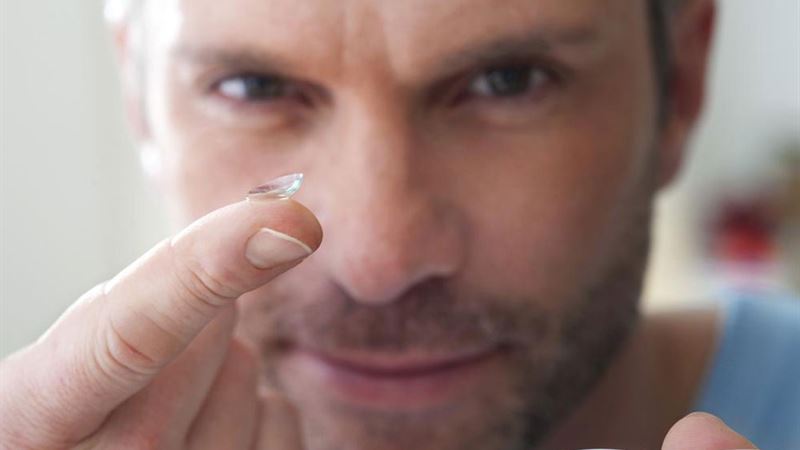
Soft contact lenses are among the most popular and widely used forms of vision correction devices. They are made from flexible, water-rich plastics that comfortably conform to the shape of the eye's surface. These lenses are suitable for treating common refractive errors like myopia (nearsightedness), hyperopia (farsightedness), astigmatism (irregular curvature of the eye), and presbyopia (age-related difficulty with near vision). Soft lenses are available in a diverse array of formulations and usage schedules, allowing users to select the most suitable for their lifestyle and budget.
One of the primary considerations when choosing contact lenses is the wear schedule and replacement frequency. These factors influence convenience, cost, and eye health. Daily disposable lenses are designed for single-use and must be discarded after one day. They offer maximum hygiene and convenience, eliminating the need for cleaning and storage solutions, and are ideal for users with busy schedules or those prone to allergies or infections. This type of lens reduces the risk of bacterial buildup, making it one of the safest options, although it may come at a higher cost over time.
Two-weekly disposable lenses are another popular choice. They are typically made from similar materials as daily disposables but are intended to be worn for two weeks before replacement. These lenses require daily cleaning with appropriate solutions and proper storage in cases to maintain hygiene and preserve lens integrity. They are ideal for new users and those with mild dry eye symptoms because of their balance between convenience and cost-effectiveness.
Monthly disposable lenses are suited for individuals who prefer longer wear periods with less frequent replacements. They provide the convenience of extended use while being more economical than daily or bi-weekly options. Like two-week lenses, they necessitate meticulous cleaning and maintenance routines, but their longer lifespan appeals to many users seeking cost savings and minimal handling.
Extended-wear contact lenses are engineered for continuous wear over a prolonged period, often up to 30 days. Crafted from advanced silicone hydrogel materials, these lenses allow a significant amount of oxygen to reach the cornea, maintaining eye health during extended use. They are especially advantageous for people with demanding schedules who dislike the daily routine of lens removal and cleaning. However, extended wear lenses carry increased risks of infections and complications if not properly monitored by an eye care professional. Regular check-ups are essential to ensure eye health is maintained during prolonged wear.
Colored contact lenses offer an exciting way to enhance or change eye appearance. These lenses are designed for cosmetic purposes and come in a wide spectrum of colors and effects, including natural enhancements and dramatic theatrical looks. Available in both prescription and non-prescription forms, colored lenses can be tailored to correct vision problems such as myopia or hyperopia. However, finding suitable colored lenses for eyes with specific conditions like astigmatism can pose challenges, and users should always consult with an eye care specialist before use to ensure safety and compatibility.
Hard contact lenses, also known as gas permeable (GP) or rigid gas permeable (RGP) lenses, are a durable and highly effective option. Although their popularity has declined with the rise of soft lenses, they remain a valuable choice for specific cases. Hard lenses are made from rigid materials that allow oxygen to pass through to the eye, promoting healthier corneas. They are more durable than soft lenses, often lasting several years with proper care. Hard lenses tend to provide sharper vision correction for certain prescriptions and are customizable to fit unique eye shapes. They also tend to resist deposits better than soft lenses, making them suitable for patients with specific eye conditions.
Choosing the right contact lens involves considering factors such as personal eye health, comfort preferences, lifestyle, and budget. Consulting with an eye care professional is essential to determine the most appropriate option. Proper handling, cleaning, and routine eye exams are critical to prevent complications and ensure sustained eye health when using any type of contact lens. With advancements in lens technology, users now have access to safer, more comfortable, and cosmetically appealing options than ever before, allowing for improved vision correction and self-expression.