
Comprehensive Guide to Understanding the Causes of Eyelid Styes and Their Symptoms
This comprehensive article explores the underlying causes of eyelid styes, highlighting factors like bacteria, poor hygiene, and blocked glands. It describes the symptoms to watch for and emphasizes the importance of timely medical intervention for severe cases. Understanding these aspects helps in effective prevention and management of styes, ensuring optimal eye health and comfort.
Understanding the Causes Behind Eyelid Styes
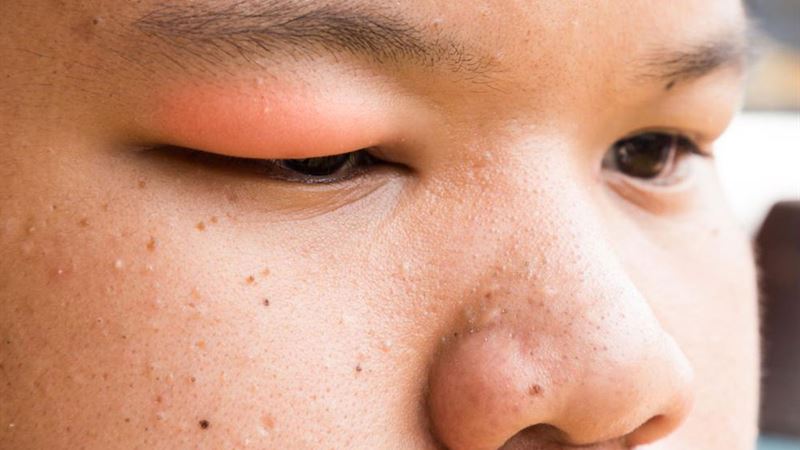
What Causes a Stye?
Styes are primarily caused by bacterial infections, with the most common culprit being Staphylococcus aureus. This bacteria naturally resides on our skin and mucous membranes, usually without causing any issues. However, when it infects an oil gland or hair follicle on the eyelid, it triggers inflammation, leading to a stye. Several factors contribute to this process:
- Poor eyelid hygiene often provides the perfect environment for bacteria to proliferate. Failing to clean the eyelids regularly allows oil, dirt, and bacteria to accumulate, increasing the risk of infection.
- Blocked oil glands play a significant role in stye development. The eyelids contain tiny glands called Meibomian glands that secrete oils to keep the eyes moist. When these glands become clogged due to debris, dead skin, or overproduction of oil, bacteria can invade and cause an infection.
- Underlying skin conditions, such as blepharitis—an inflammation of the eyelids—also predispose individuals to recurrent styes. Blepharitis causes crusting and scaling of the eyelid margins, encouraging bacterial growth.
- In some cases, the inflammation of eyelid skin, known as eyelid dermatitis, can lead to secondary infections resulting in a stye.
- Chalazion, a form of eyelid cyst, occurs when a blocked oil gland causes a painless lump. Though it differs from a typical stye, sometimes chalazia can become infected and resemble a stye.
The Role of Glands in Stye Formation
The eyelids contain specialized glands that produce oils essential for maintaining eye health:
- Meibomian Glands: Large oil-secreting glands located at the eyelid margins. Their disruption leads to dry eyes and increased risk of infection.
- Zeis Glands: Sebaceous glands associated with hair follicles. Infection here can also contribute to stye formation.
When these glands are blocked or inflamed, bacteria can colonize and invade, triggering localized infections that manifest as painful lumps.
Recognizing the Symptoms of a Stye
Styes generally present with distinctive signs and symptoms. Recognizing these early can help initiate prompt treatment:
- The hallmark of a stye is an acutely tender, raised bump on the eyelid, often resembling a small pimple. This swelling is usually red and inflamed.
- The affected eyelid may appear swollen, and the redness often extends beyond the lump, involving surrounding tissues.
- In some cases, initial symptoms may include eyelid swelling before a distinct lump appears. Conversely, the lump may develop first without significant swelling.
- Discomfort or pain is common, especially when blinking or touching the eyelid. If the infection worsens, pain may intensify, and swelling can involve the entire eyelid.
- Watery eyes, sensitivity to light, and a feeling of grittiness might accompany a stye.
- Severe cases can lead to the formation of pus—purulent material—within or around the lump. This indicates a more advanced infection needing medical attention.
- Sometimes, the infection can cause enlargement of lymph nodes in front of the ears, particularly if it spreads beyond the eyelid.
- If left untreated or improperly managed, a stye may rupture spontaneously, releasing pus and potentially contaminating surrounding tissues.
When to Seek Medical Attention
If you experience persistent symptoms or severe discomfort, consult an eye care professional promptly. Warning signs that require medical intervention include:
- Stye lasting longer than a week despite home treatment
- Increasing pain, swelling, or redness
- Pus accumulation that doesn't drain automatically
- Visual disturbances such as blurred vision or double vision
- Severe swelling affecting the entire eyelid or surrounding area
- Recurrent episodes of styes
Qualified healthcare providers can diagnose the condition, rule out other serious issues, and recommend appropriate treatment options to ensure swift recovery.